Digital Resources

Digital Resources

Digital Resources

Podcasts
podcast all my relations

All My Relations

Hosted by Matika Wilbur (Swinomish and Tulalip) and Adrienne Keene (Cherokee Nation), All My Relations invites guests to delve into a different topic facing Indigenous peoples today.
Indigenous Cultural Competency Early Years Podcast series

Indigenous Cultural Competency Early Years Podcast series

The Indigenous Cultural Competency Early Years Podcast series is intended to support individuals, child care centres and agencies that support Indigenous children and families and/or want to ensure they are respectfully weaving Indigenous ways of learning, knowing, being and doing into their programming.

Media Indigena

MediaINDIGENA

Hosted by Rick Harp, MediaINDIGENA is a roundtable podcast with a group of panellists who tackle weekly affairs in so-called Canada. The podcast draws in people of all backgrounds but appeals to those who enjoy a more academic look at things.
Nation to Nation

Nation to Nation

Hosted by Brett Forester, Nation to Nation takes a weekly look at the politics affecting Indigenous people in Canada.
Residential Schools Podcast

Residential Schools

Residential Schools is a three-part podcast series created by Historica Canada and hosted by Shaneen Robinson-Desjarlais. It aims to commemorate the history and legacy of residential schools, and honour the stories of First Nations, Métis, and Inuit Survivors, their families, and communities.
twisted histories podcast

Telling Our Twisted Histories

Telling our Twisted Histories is an 11-episode podcast series that reclaims Indigenous history by exploring 11 words whose meanings have been twisted by centuries of colonization.
The Kid Advocate

The Kid Advocate

The Kid Advocate is a podcast series hosted by SEMA’TSE Jordan where she talks about her experience in government care as well as topics such as the residential school system, intergenerational trauma, sexual abuse, and distance learning. SEMA’TSE Jordan is First Nations from Ahousaht (Nuu-chah-nulth), Nanaimo (Snuneymuxw) and Terrace (Nisga’a).
This Place Podcast

This Place

This Place, the bestselling graphic novel anthology that tells 150 years of Canadian history through Indigenous stories, is now available as a podcast by CBC Books. This Place features Indigenous creators — including David. A Robertson, Richard Van Camp, Katherena Vermette and Brandon Mitchell — and incorporates elements of fantasy and magical realism to examine the 150-plus years of Canadian history since Confederation from an Indigenous perspective.
toasted sister podcast

Toasted Sister

Toasted Sister is a culinary and cuisine podcast focused on highlighting and promoting Indigenous cuisine and culture.
rosanna deerchild

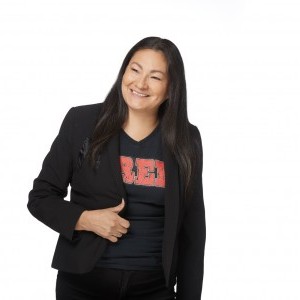
Unreserved with Rosanna Deerchild

Unreserved is the radio space for Indigenous community, culture, and conversation. Host Rosanna Deerchild takes you straight into Indigenous Canada, from Halifax to Haida Gwaii, from Shamattawa to Ottawa, introducing listeners to the storytellers, culture makers and community shakers from across the country.
Warrior Life Podcast

Warrior Life

Warrior Life is a podcast that focuses on decolonizing our minds, bodies and spirits while educating and connecting a larger community.
ᐃᓄᐃᑦ ᐅᓂᒃᑳᖏᑦ (Inuit Unikkaangit)

ᐃᓄᐃᑦ ᐅᓂᒃᑳᖏᑦ (Inuit Unikkaangit)

Host and Archivist Mary Powder reunites Inuit with stories from CBC North’s vast Inuktitut language archives by replaying them for the descendants of the original storytellers, some of whom are hearing them for the very first time.

Videos

A Journey of Discovery, Truth and Reconciliation

Cecelia Reekie, a member of the Haisla First Nation, shares her very personal journey of adoption, reunion, learning and understanding residential schools and reconciliation.

A Mother’s Voice 

The history of Canada’s Indian Residential Schools and their legacy is seen through the eyes of a survivor (Lina Gallup) and her daughter (Holly Fortier).

APTN Lumi (Streaming app) 

Stream Indigenous-focused content made by, for and about Indigenous Peoples to your device anywhere and anytime. You can watch a wide variety of films, series, family-friendly shows, documentaries and digital musical performances. The app provides Indigenous storytellers and artists with a platform to reclaim and share their stories in innovative ways. You can access a 7-day free trial; no credit card and no commitment required. Once your free trial ends, access limited content with your free Basic membership, or become a Premium member for just $4.99/month.

Canada’s Dark Secret

This featured documentary by Al Jazeera sheds light on the residential school system and the deep trauma it has inflicted on survivors and their families.

Intergenerational Survivor and Healing

Having been a permanent ward of the Child Welfare system in Manitoba, Matthew Shorting shares Adverse Childhood experiences and how to heal from this while working through interpersonal conflicts in society.

Talking to Kids about Residential Schools

Best-selling author and speaker, Monique Gray Smith, shares tips on how to talk to kids about Residential Schools and how to prepare yourself to have these difficult conversations.

Resilience and the Power of One

Monique Gray-Smith talks about the Four Blankets of Resilience and the influence one person can have in fostering resilience.

A Truth to be Told

A Truth to be Told unravels stories buried deep under layers and layers of resiliency built by those directly impacted by the Sixties Scoop and the residential school system.

Canada’s Residential Schools

Dan Ming, Amanda Pisetzner, and Anya Zoledziowski discuss their experience reporting on Canada’s residential schools. 

Phone

Main:
604-544-1110

Toll-Free Foster Parent Line:
1-800-663-9999

Office hours: 8:30 am - 4:00 pm, Monday to Friday

PROVINCIAL CENTRALIZED SCREENING

Foster parents are encouraged to call this number in the event of an EMERGENCY or CRISIS occurring after regular office hours:

1-800-663-9122

REPORT CHILD ABUSE

If you think a child or youth under 19 years of age is being abused or neglected, you have the legal duty to report your concern to a child welfare worker. Phone 1-800-663-9122 at any time of the day or night. Visit the Government of BC website for more info.

address

BCFPA Provincial Office
Suite 208 - 20641 Logan Avenue
Langley, BC V3A 7R3

Email

contact us

Fill out our contact form...
Contact Us

Contact Us

We would like to hear from you. Please send us a message by filling out the form below and we will get back with you shortly.

Sending

Our work takes place on the traditional and unceded Coast Salish territories of the Kwantlen, Katzie, Matsqui and Semiahmoo First Nations. BCFPA is committed to reconciliation with all Indigenous communities, and creating a space where we listen, learn and grow together.

© 2021 BC Foster Parents. Site design by Mighty Sparrow Design.

Residential Schools

Residential Schools

Residential Schools

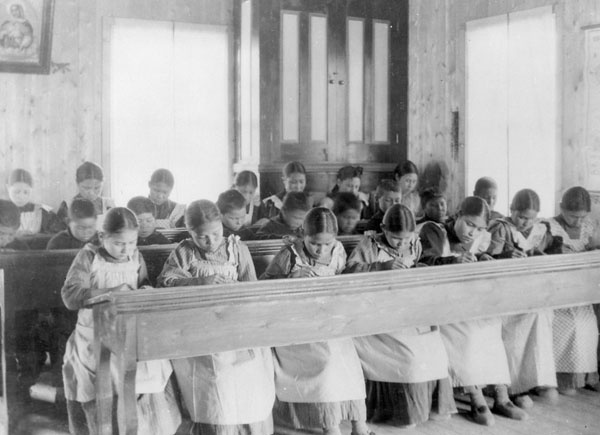
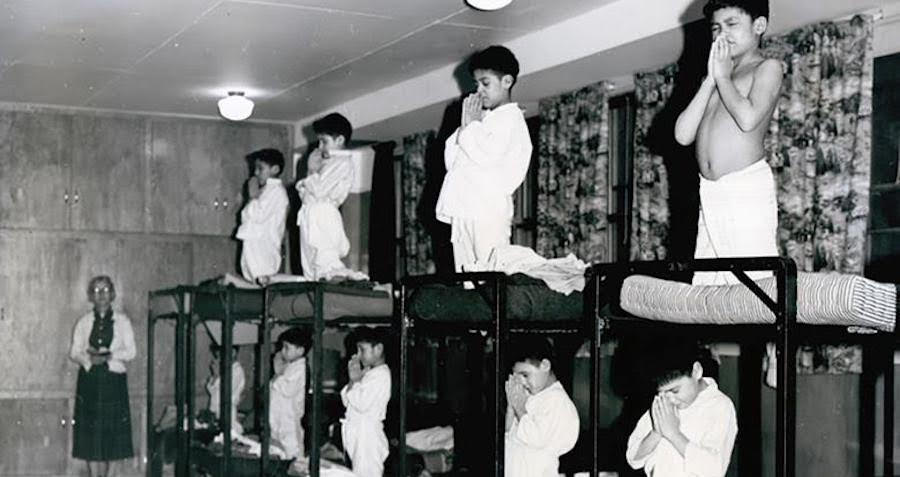
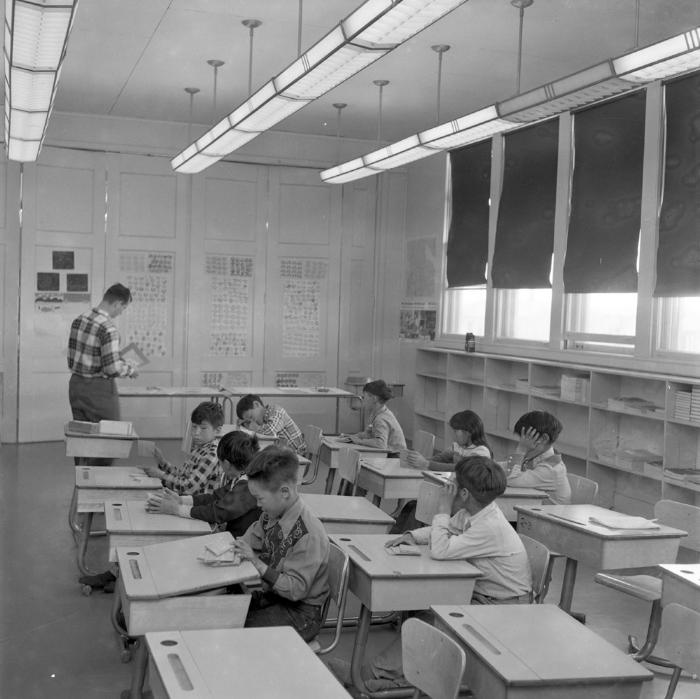
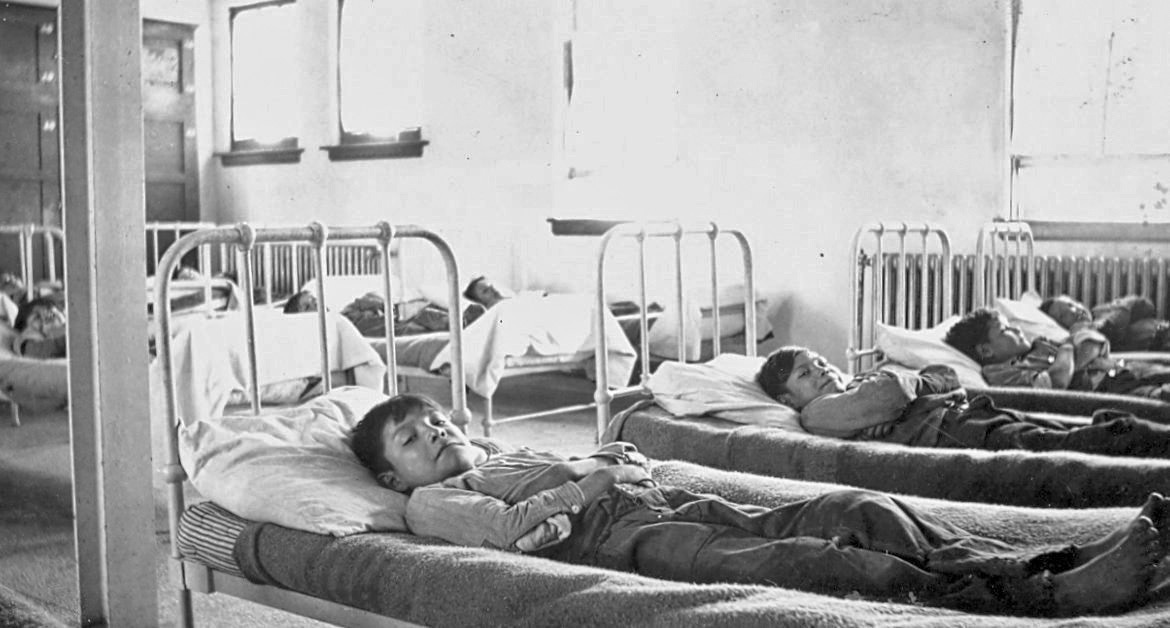
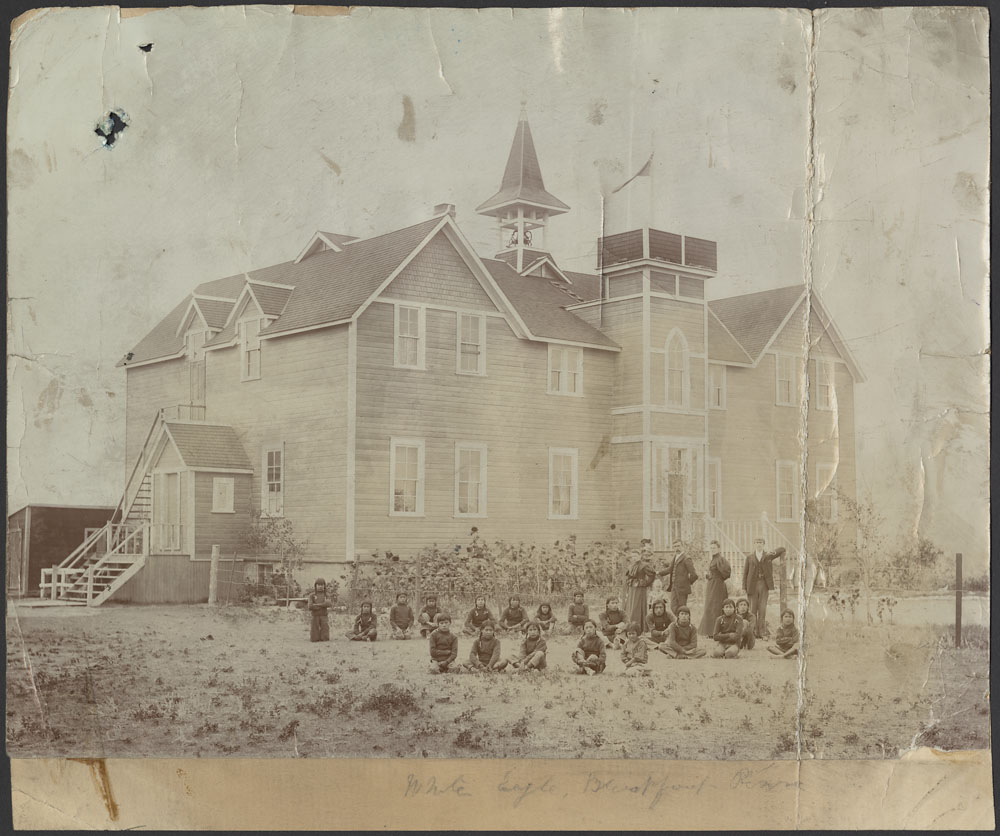
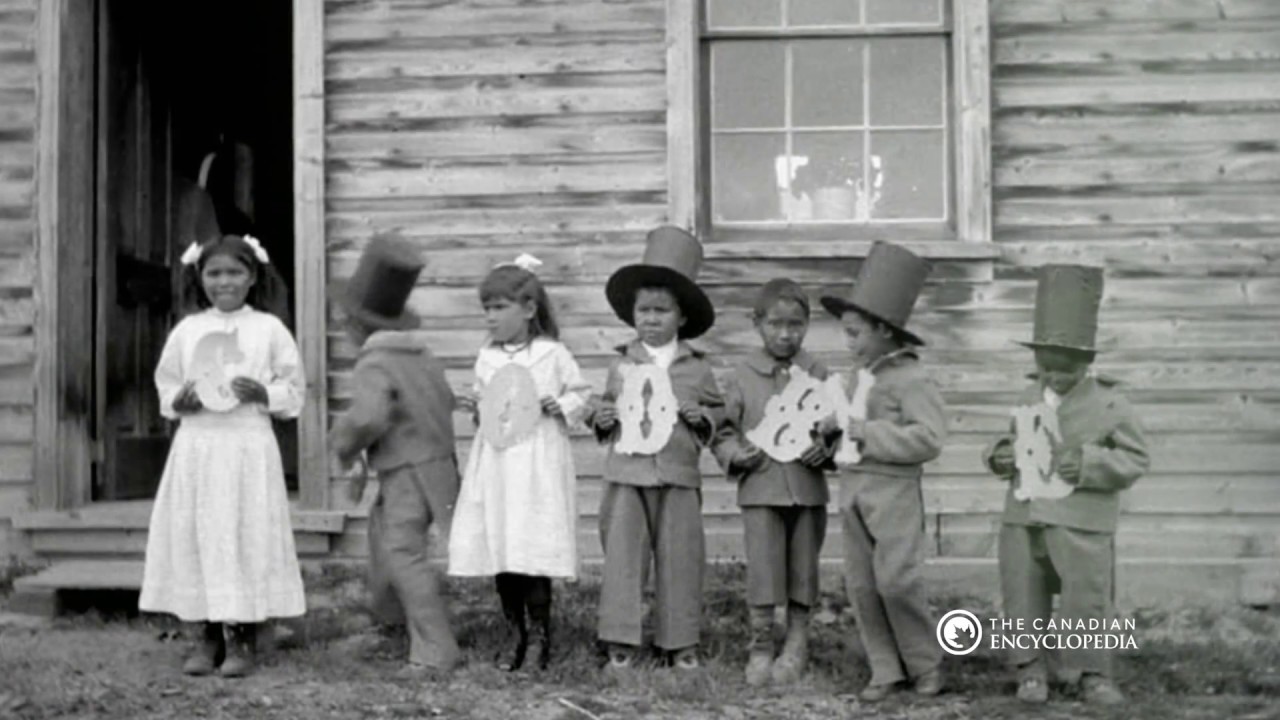
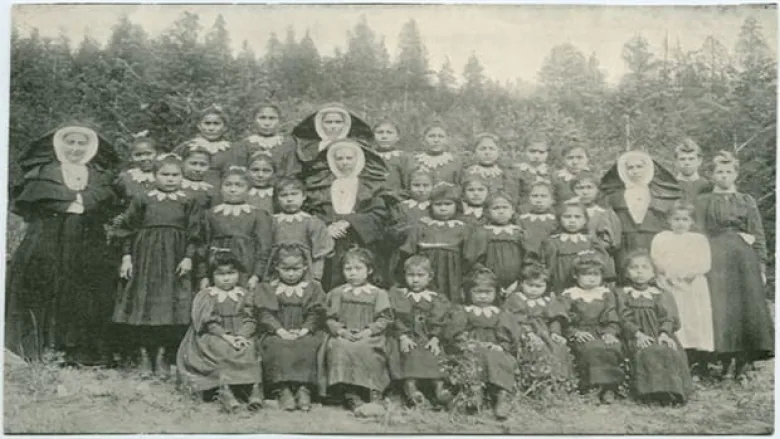
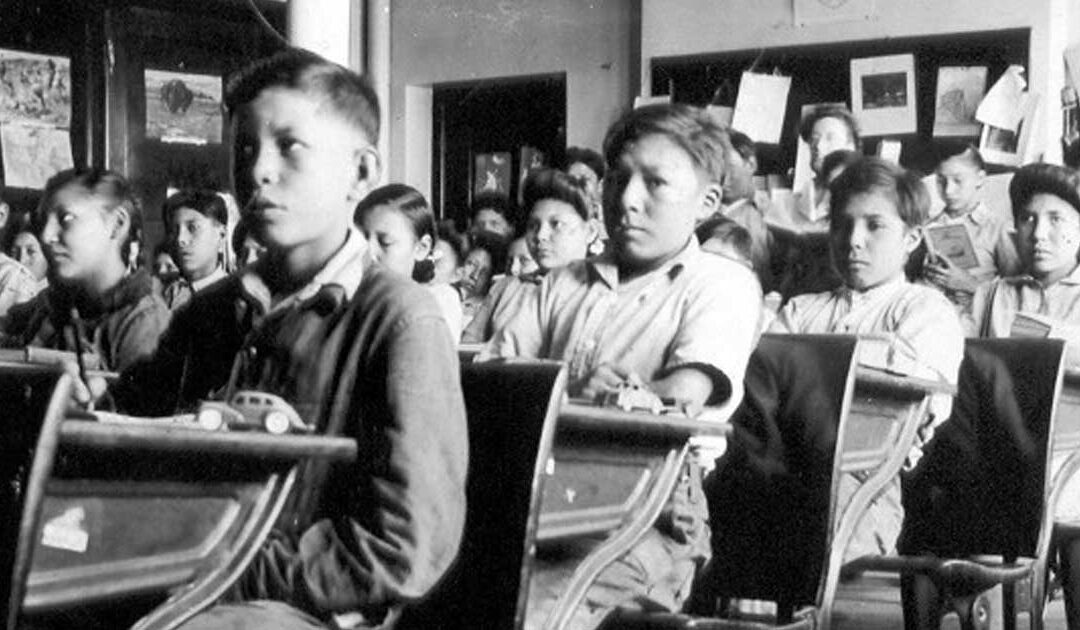
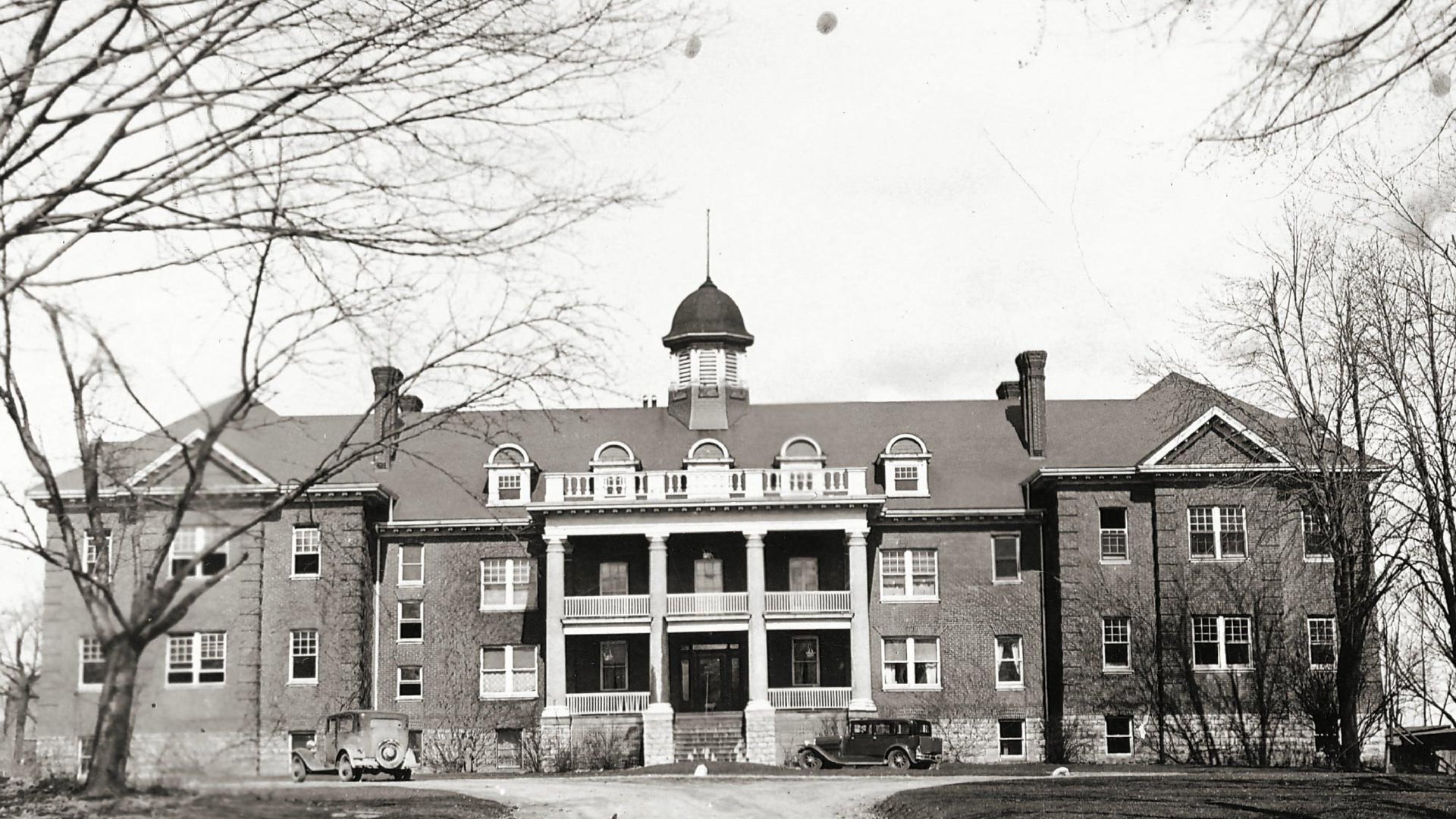
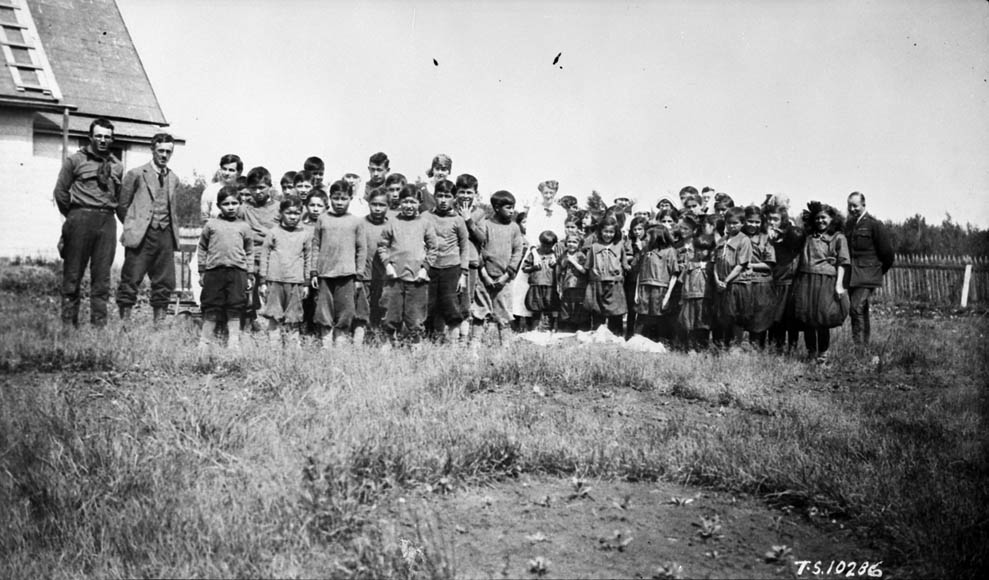
The residential school system was a powerful mechanism of colonization in Canada implemented from 1874 to 1996 as part of a national assimilation strategy by the federal government in partnership with various religious denominations which included the Roman Catholic, Anglican, Methodist, Presbyterian and United churches. It is estimated that over 150,000 Indigenous children, between the ages of 4 and 16 years old, were forcibly removed from their families and placed in residential schools where every aspect of the children’s lives was regulated. While some children lived at the residential school year-round, some attended residential schools for the duration of a 10-month academic year. The students’ time was divided between academic learning, religious prayer, and chores. They were forced to abandon their culture, language, and way of life, and were ordered to adopt the European languages of English or French.

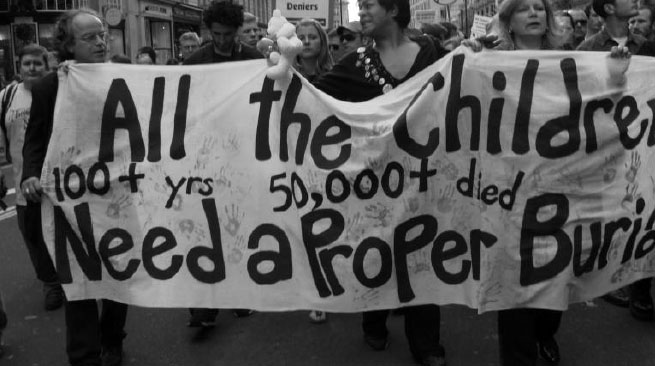
Without the influence of their parents and Elders, children in residential schools were stripped of their Indigenous identity and torn from the traditions of their families. The widespread cases of physical, sexual and psychological abuse and deaths in residential schools only compounded the trauma of the survivors. Many died while trying to escape to return home, or from severe illness.  Some residential schools had a death rate as high as 50%.

Residential Schools Timeline

1831

The first residential school, Mohawk Indian Residential School, opens in Brantford, Ontario.

Mohawk Institute Brantford
Dr. Adolphus Egerton Ryerson

1847

Dr. Adolphus Egerton Ryerson, Methodist minister and educational reformer, commissioned by Assistant Superintendent General of Indian Affairs to study Native education, proposes a model on which the Indian Residential School system was built.

1876

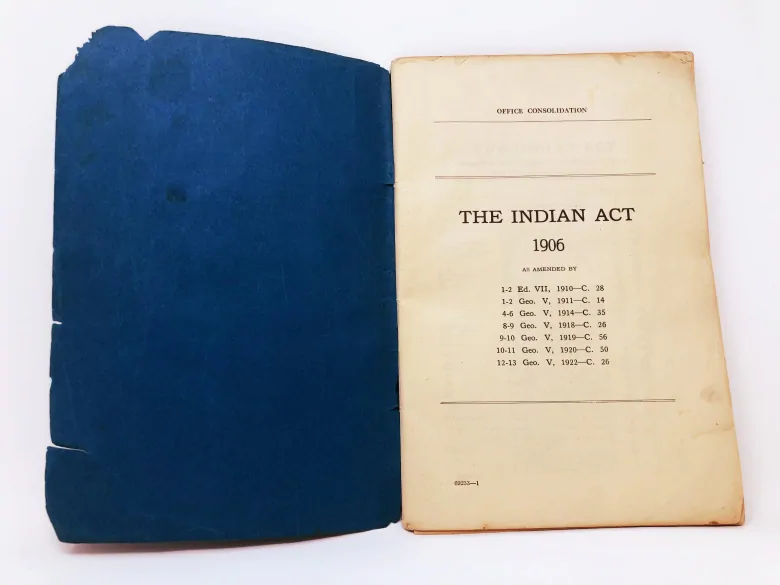
The Indian Act is enacted to control and assimilate Indigenous peoples and their communities.

Indian Act
Sir Hector Langevin

1883

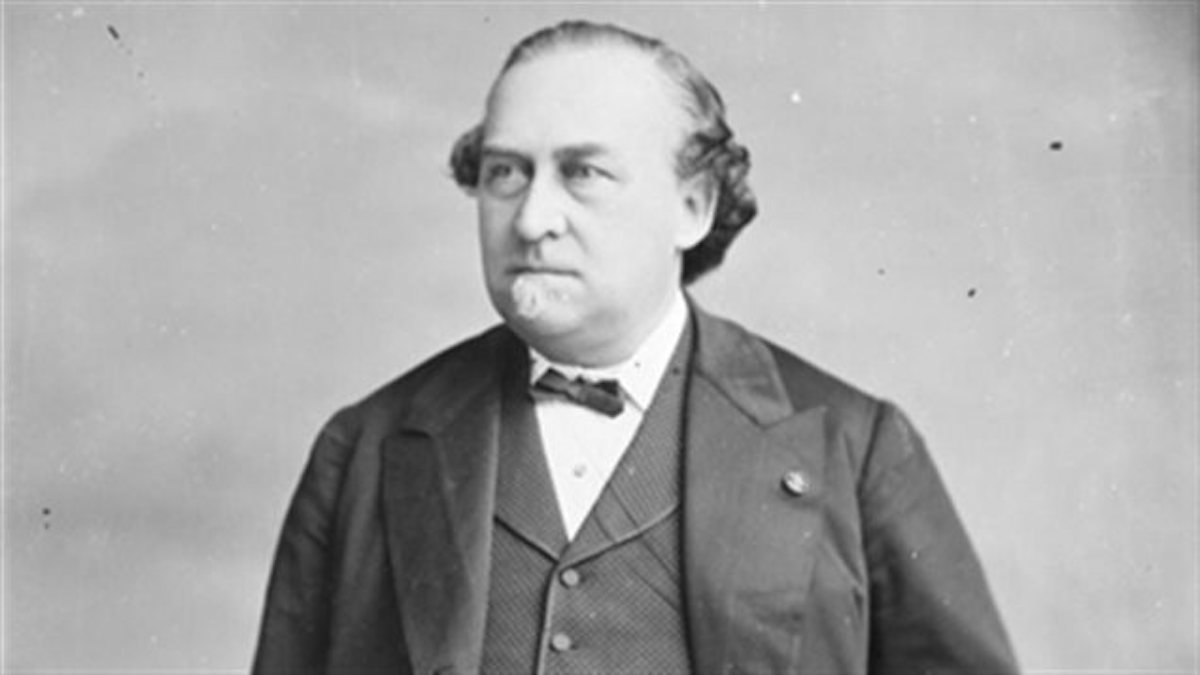
Sir John A. Macdonald authorizes the creation of residential schools in the Canadian West. Sir Hector Langevin, Secretary of State for the Provinces tells Parliament: “In order to educate the children properly we must separate them from their families. Some people may say this is hard, but if we want to civilize them we must do that.”

1884

Attendance in residential schools becomes mandatory for status Indians until they turn 16. Children are forcibly removed and separated from their families and are not allowed to practice their culture or speak their own language.

Inuit Residential School
potlatch ban

1885

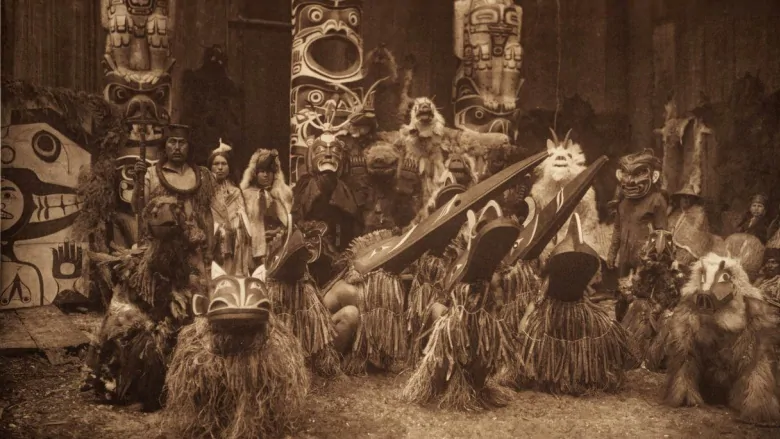
Through an amendment to the Indian Act, Indigenous peoples are prohibited from conducting their traditional Indian ceremonies such as the potlatch. A pass system is also created and Indigenous peoples are restricted from leaving their reserve without permission.

1907

Medical Inspector for Indian Affairs, Dr. Peter Henderson Bryce, reports that health conditions in residential schools are a “national crime.”

Dr. Peter Bryce
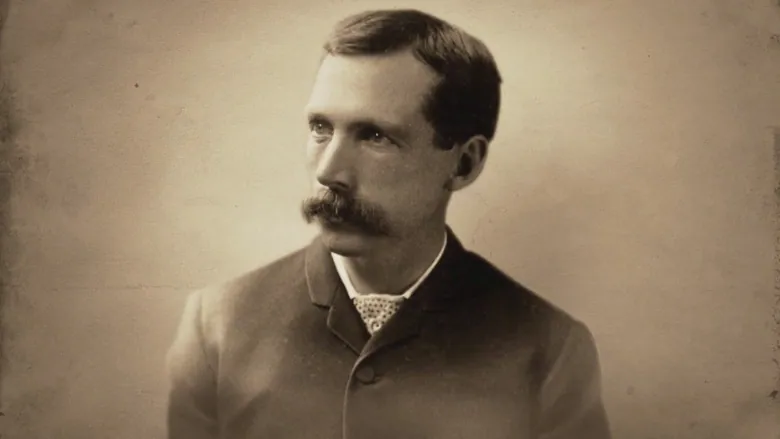
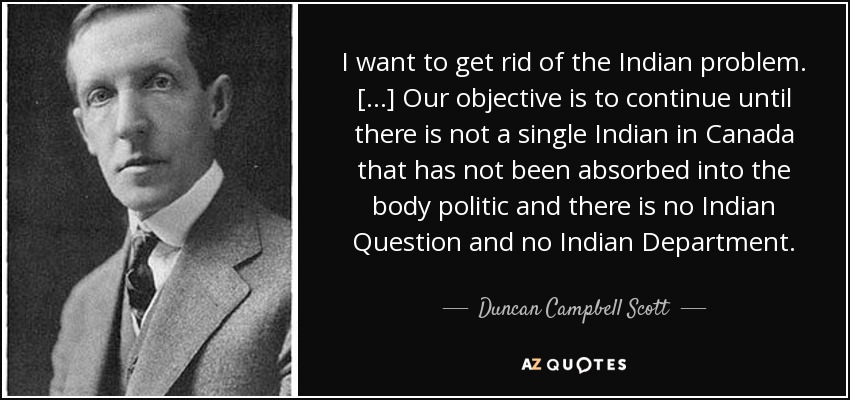
Duncan Campbell Scott

1920

Duncan Campbell Scott, Deputy Superintendent of Indian Affairs, makes residential school attendance compulsory for children between the ages of 7 and 15. Duncan Campbell Scott has been quoted on the record saying, “I want to get rid of the Indian problem. I do not think as a matter of fact, that the country ought to continuously protect a class of people who are able to stand alone… Our objective is to continue until there is not a single Indian in Canada that has not been absorbed into the body politic and there is no Indian question, and no Indian Department.”

1951

Mandatory attendance is removed from the Indian Act.

Indigenous residential schools
1957 abolition residential schools

1958

Indian Affairs regional inspectors recommend the abolition of residential schools.

1969

The federal government takes over sole management of residential schools from the churches.

government-takeover_res-schools
80s Residential school protest

1980s

Residential school survivors began launching legal campaigns.

1986-1994

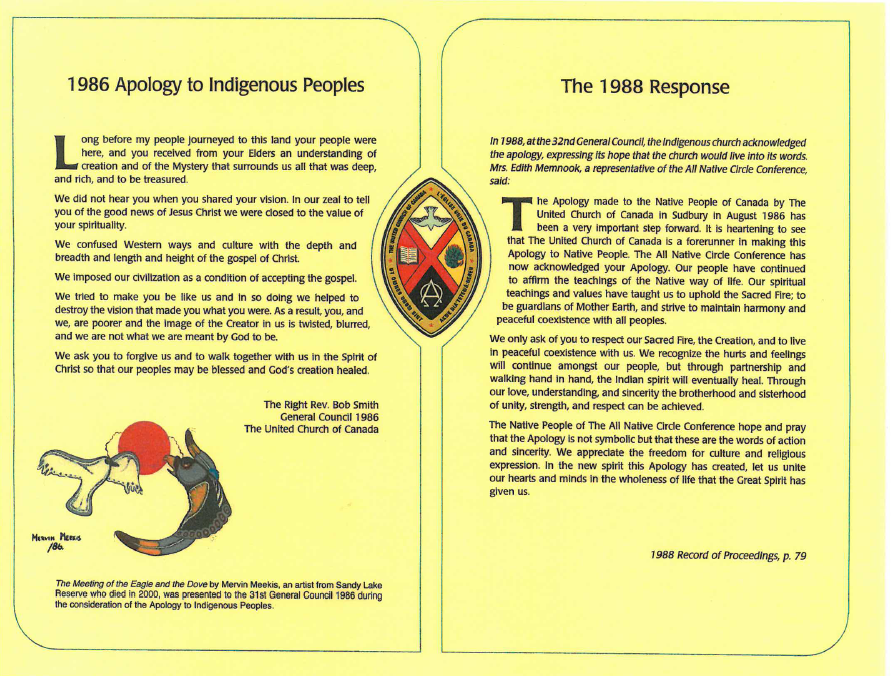
The United Church, the Catholic Missionary Oblates of Mary Immaculate, the Anglican Church, and the Presbyterian Church all issue formal apologies for their participation in the residential school system.

united church apology
report of the royal commission on aboriginal peoples

1996

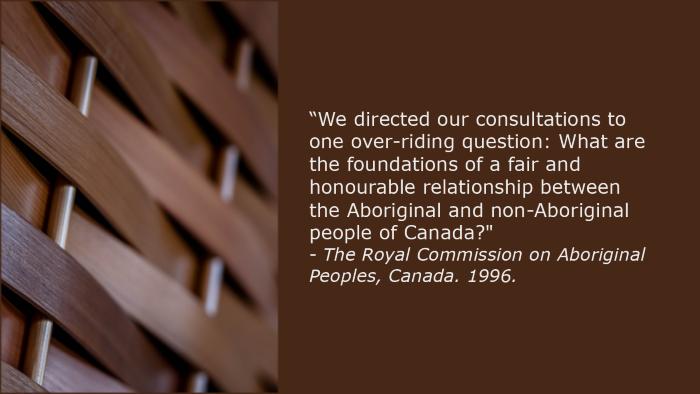
The Final Report of the Royal Commission on Aboriginal Peoples is released. It calls for a public investigation into the widespread abuses at residential schools. The last residential school, located in Saskatchewan, closed in 1996.

1998

The federal government issues a Statement of Reconciliation, acknowledging the abuses suffered by students. With a $350 million endowment, the Aboriginal Healing Foundation was established.

Statement of Reconciliation
goodbye

2005

The alternative dispute process is launched, providing an out-of-court process for determining compensation and support for survivors.

2007

Indian Residential Schools Settlement Agreement (IRSSA), the largest class-action settlement in Canadian history, negotiated and approved by parties, and courts in nine jurisdictions, is implemented. The Settlement Agreement includes five main components: (1) Common Experience Payment (CEP) to be paid to all former students who attended a recognized residential school; (2) Independent Assessment Process (IAP) which is an out-of-court process to resolve claims of sexual assault, physical assaults, serious psychological abuse, and any other wrongful acts; (3) Truth and Reconciliation Commission (TRC) which established to contribute to truth, healing and reconciliation; (4) Commemoration Activities; and (5) the Aboriginal Healing Foundation to provide health and health services.

IRSSA
2008 residential schools apology

2008

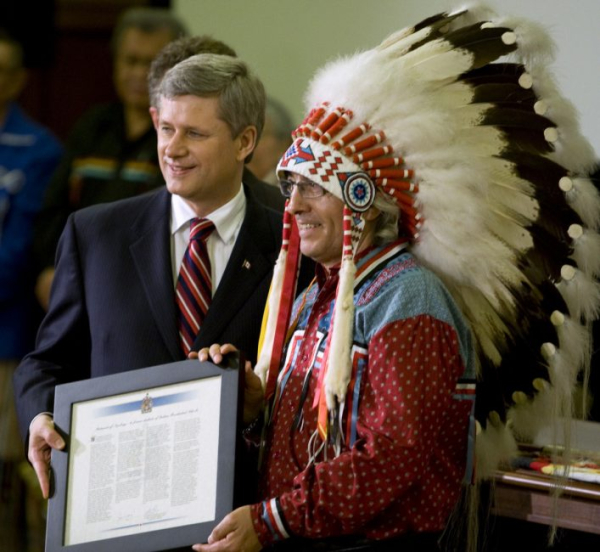
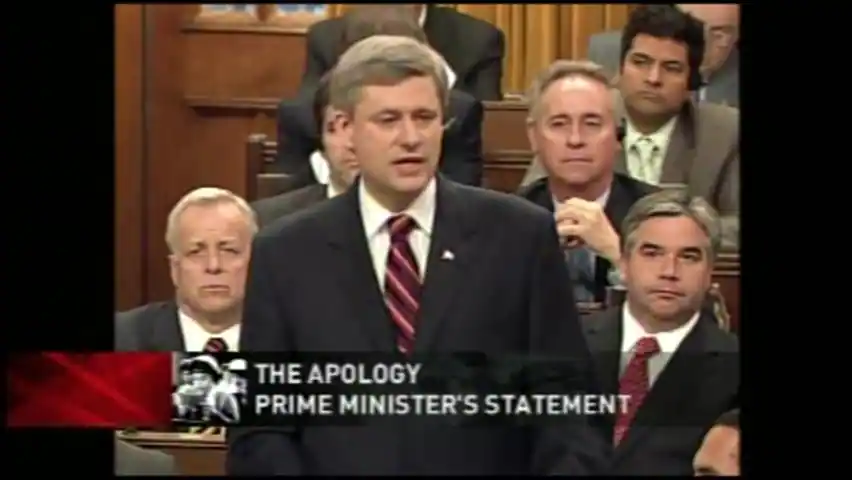
Prime Minister Stephen Harper apologizes to First Nations, Inuit and Métis peoples for the residential school system on behalf of the Government of Canada. The Truth and Reconciliation Commission is launched.

2009

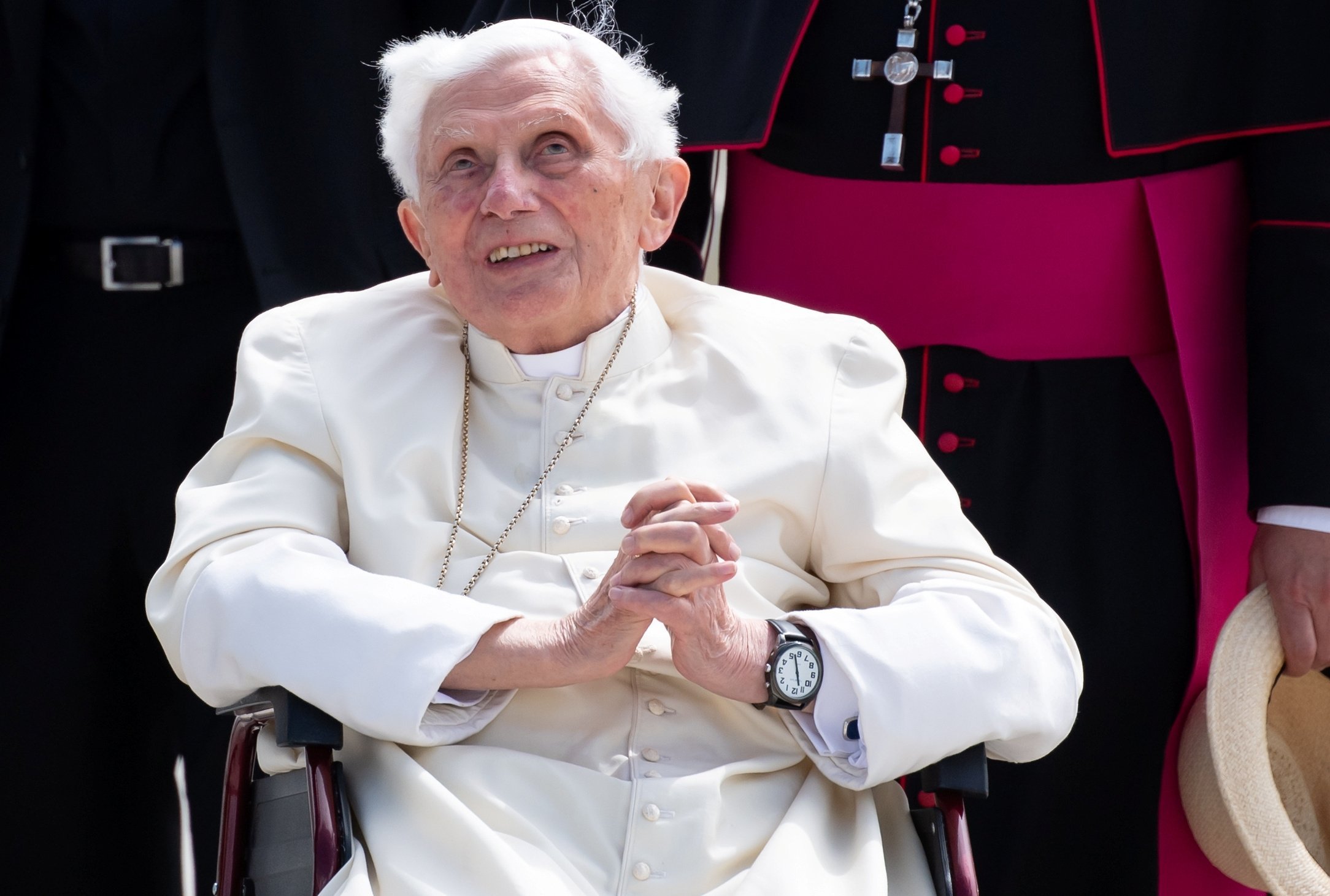
Pope Benedict expresses “sorrow” and “sympathy and prayerful solidarity” for the abuse that students endured at Catholic-run residential schools, but does not apologize to the delegation from Canada’s Assembly of First Nations. The Truth and Reconciliation Commission begins to hosts events across the country to listen to survivors who want to share their stories.

pope benedict
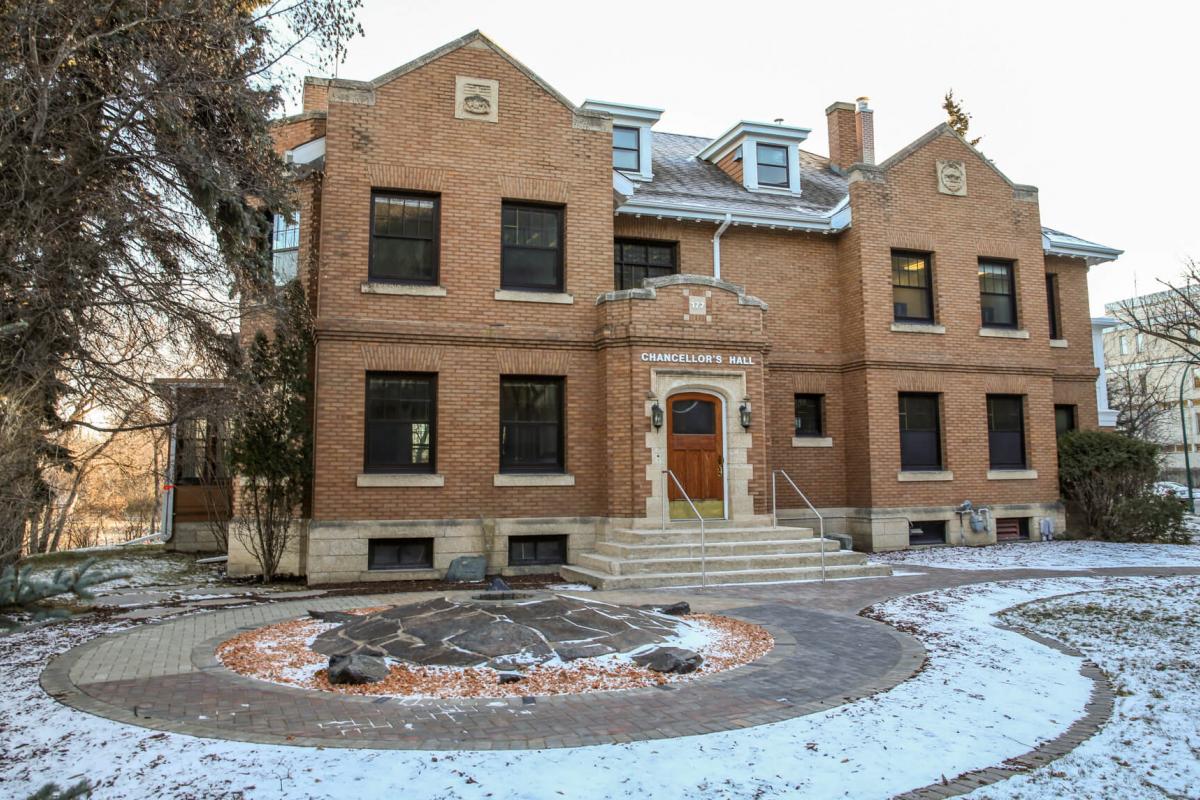
Truth and Reconciliation Commission

2010

The Truth and Reconciliation Commission officially opens its headquarters in Winnipeg.

2015

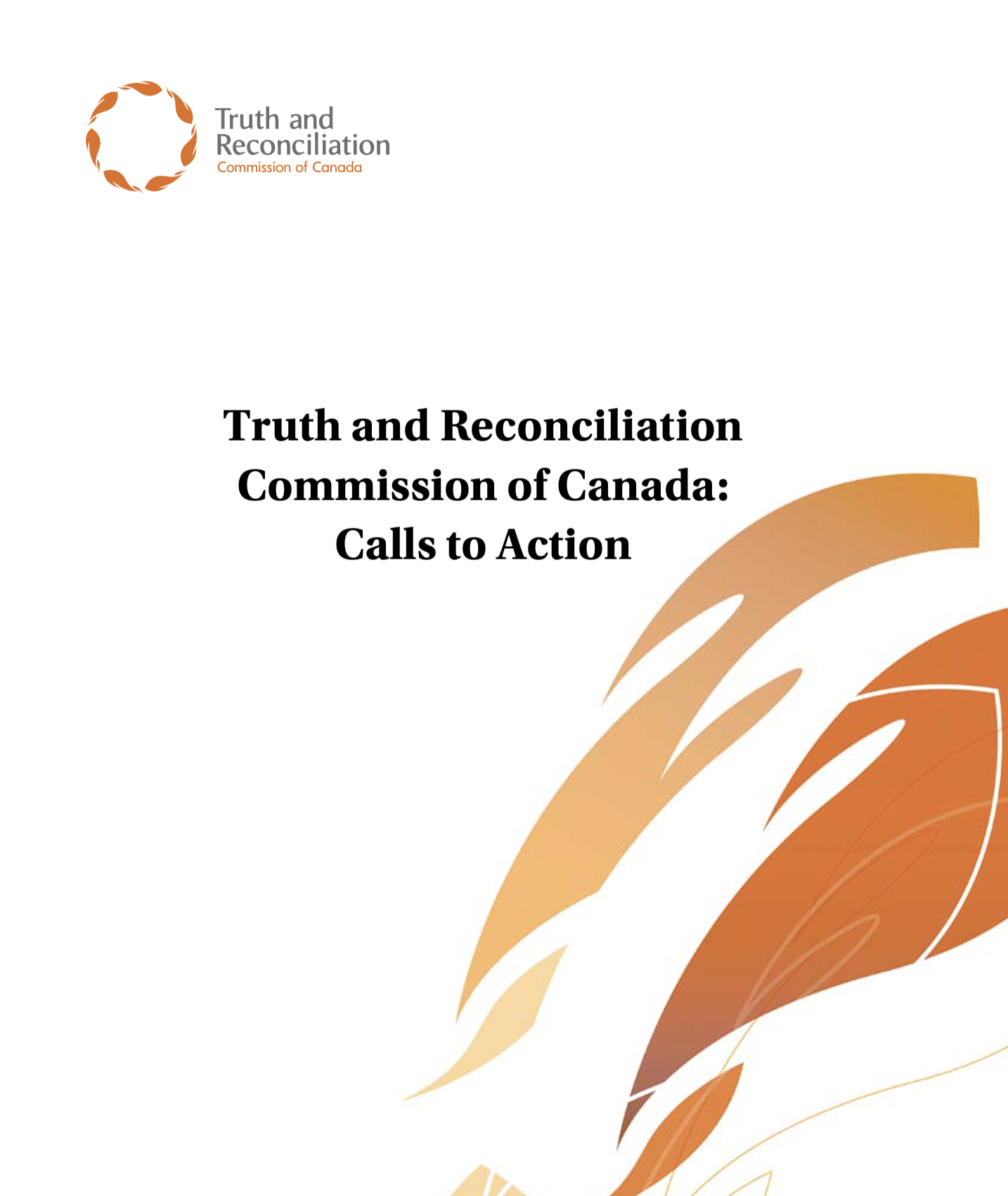
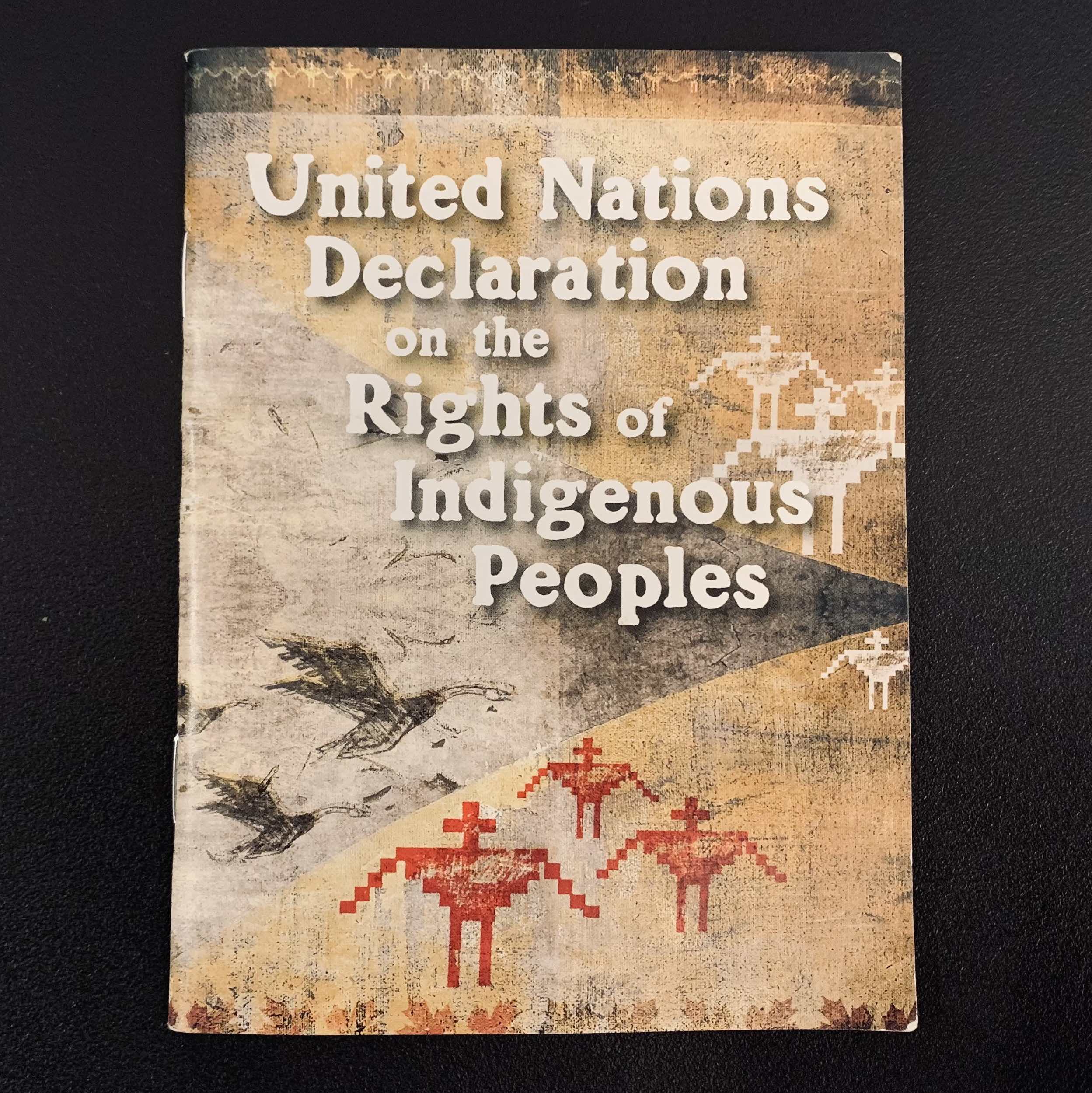
The Truth and Reconciliation Commission releases its final report which declared the residential schools as “cultural genocide”. It also includes 94 calls to action, including reducing the overrepresentation of Indigenous children and youth in care, finding and documenting burial sites of missing residential school children, and fully adopting the United Nations Declaration on the Rights of Indigenous Peoples (UNDRIP).

94 calls to action cover
UN logo

2016

Canada endorses the United Nations Declaration on the Rights of Indigenous Peoples (UNDRIP) as the key to advancing reconciliation in Canada.

2021

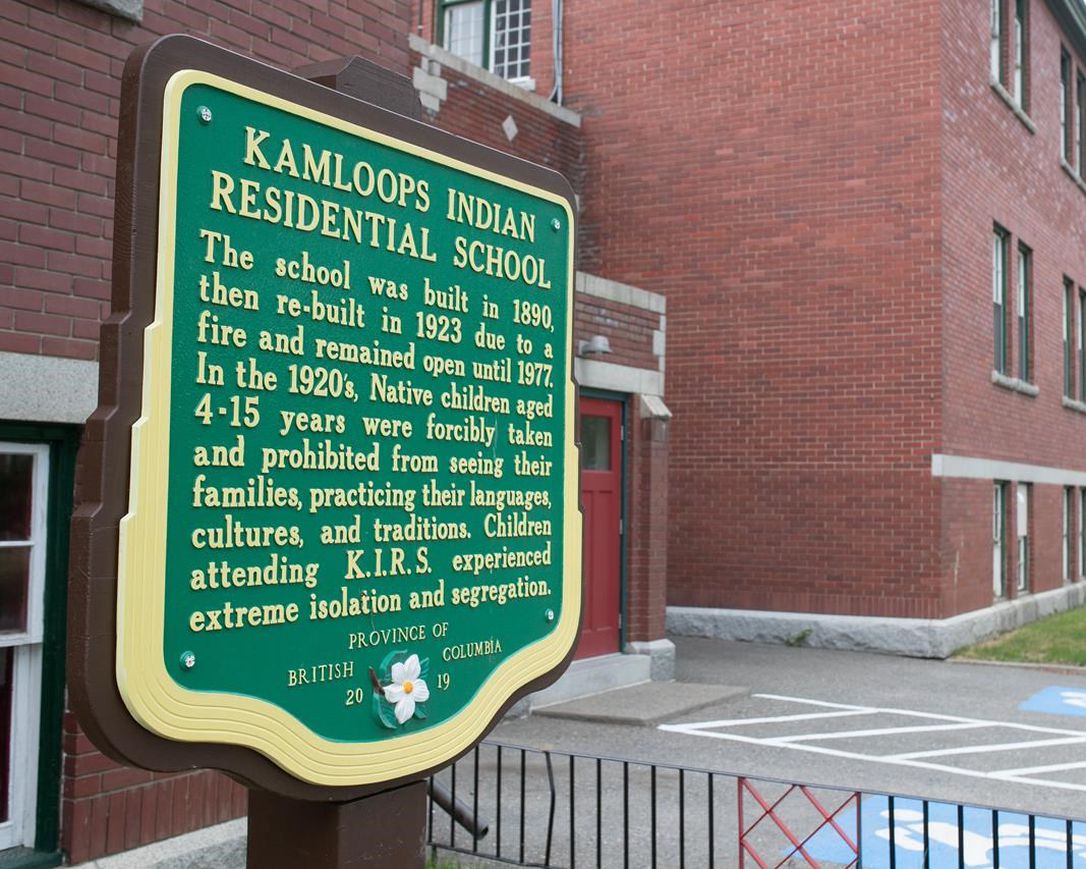
Through ground-penetrating radar, the remains of 215 children, some as young as three years old, were found at the site of the Kamloops Indian Residential School in Tk’emlups te Secwepemc territory, near Kamloops. Several unmarked graves were also discovered at former residential school sites across Canada.

Kamloops residential school
UNDRIP cover

June 2021

The United Nations Declaration on the Rights of Indigenous Peoples (UNDRIP) receives Royal Assent and immediately comes into force. It is a historic milestone that ensures “the minimum standards for the survival, dignity and well-being of the Indigenous peoples of the world.” A new federal statutory holiday – National Day for Truth and Reconciliation – was created through legislative amendments made by the Parliament.

September 30, 2021

Canada marks the first National Day for Truth and Reconciliation which honours the survivors, families and communities impacted by the residential school system. Both the National Day for Truth and Reconciliation and Orange Shirt Day take place on September 30.

Orange Shirt Day
williams lake residential

2022

Williams Lake First Nation releases its preliminary findings that revealed 93 potential unmarked graves at the former St. Joseph’s Mission Residential School in Williams Lake, British Columbia. Williams Lake First Nation is still conducting a full investigation of the site. Searches with ground-penetrating radar are also underway at other former residential school sites. To date, more than 1,800 confirmed or suspected unmarked graves have been identified.

Historica Canada, using data supplied by the National Centre for Truth and Reconciliation at the University of Manitoba, has created a map (see below) of all residential schools in Canada. The map only includes schools listed in the Indian Residential School Settlement Agreement.

Intergenerational Trauma 

Intergenerational trauma is the transmission of trauma from one generation of trauma survivors to the next. Maria Yellow Horse Brave Heart defined it as a “collective emotional and psychological injury over the lifespan and across generations”. It often refers to untreated trauma passed down in families where a child grows up with trauma and it becomes a cycle until it is broken. 

The term intergenerational trauma was originally introduced to describe the enduring trauma among Holocaust survivors and their families following World II. It is also referred to as transgenerational trauma or historical trauma and has since been applied to Indigenous Peoples who have experienced extensive trauma due to colonization.

References

Gray Smith, M. (2017). Speaking Our Truth: A Journey of Reconciliation. Orca Book Publishers. 

The Indian Act. (n.d.). Welcome to Indigenous Foundations. https://indigenousfoundations.arts.ubc.ca/the_indian_act/

Indian status. (n.d.). Welcome to Indigenous Foundations. https://indigenousfoundations.arts.ubc.ca/indian_status/

Residential school history. (n.d.). NCTR. https://nctr.ca/education/teaching-resources/residential-school-history/

The residential school system. (n.d.). Welcome to Indigenous Foundations. https://indigenousfoundations.arts.ubc.ca/the_residential_school_system/

Phone

Main:
604-544-1110

Toll-Free Foster Parent Line:
1-800-663-9999

Office hours: 8:30 am - 4:00 pm, Monday to Friday

PROVINCIAL CENTRALIZED SCREENING

Foster parents are encouraged to call this number in the event of an EMERGENCY or CRISIS occurring after regular office hours:

1-800-663-9122

REPORT CHILD ABUSE

If you think a child or youth under 19 years of age is being abused or neglected, you have the legal duty to report your concern to a child welfare worker. Phone 1-800-663-9122 at any time of the day or night. Visit the Government of BC website for more info.

address

BCFPA Provincial Office
Suite 208 - 20641 Logan Avenue
Langley, BC V3A 7R3

Email

contact us

Fill out our contact form...

Contact Us

Contact Us

We would like to hear from you. Please send us a message by filling out the form below and we will get back with you shortly.

Sending

Our work takes place on the traditional and unceded Coast Salish territories of the Kwantlen, Katzie, Matsqui and Semiahmoo First Nations. BCFPA is committed to reconciliation with all Indigenous communities, and creating a space where we listen, learn and grow together.

© 2021 BC Foster Parents. Site design by Mighty Sparrow Design.
Cultural Safety

Cultural Safety

Cultural Safety

Definitions

Indigenous 

Indigenous refers to a person who is native to an area. It is the term currently used by the United Nations, as well as the federal and provincial governments. There is no common definition, rather the basis is on self-identification with pre-colonial societies, traditional territory, and cultural systems. Important note: Most Indigenous peoples and Nations prefer to self-identify. If you aren’t sure, it’s respectful to ask.

The term Indigenous was chosen by Indigenous leaders in the 1970s to identify and unite diverse communities and represent them in global political arenas. This term is a relational word that high- lights peoples’ connections to territories, as well as their experiences of colonization. Indigenous is inclusive of First Nations, Métis and Inuit peoples.

Colonialism

Colonialism is the extension of a nation’s sovereignty over territory beyond its borders. This happens by establishing either ‘settler colonies’ or ‘administrative dependencies’ where Indigenous peoples are directly ruled or displaced. Colonizing nations generally dominate resources, labour, and markets of the colonial territory, and may also impose social, cultural, religious and linguistic structures on Indigenous peoples.

Cultural Safety

Cultural Safety is the outcome of interactions where individuals experience their cultural identity and way of being as having been respected or, at least, not challenged or harmed. Cultural safety requires respectful relationships and equitable partnerships.  

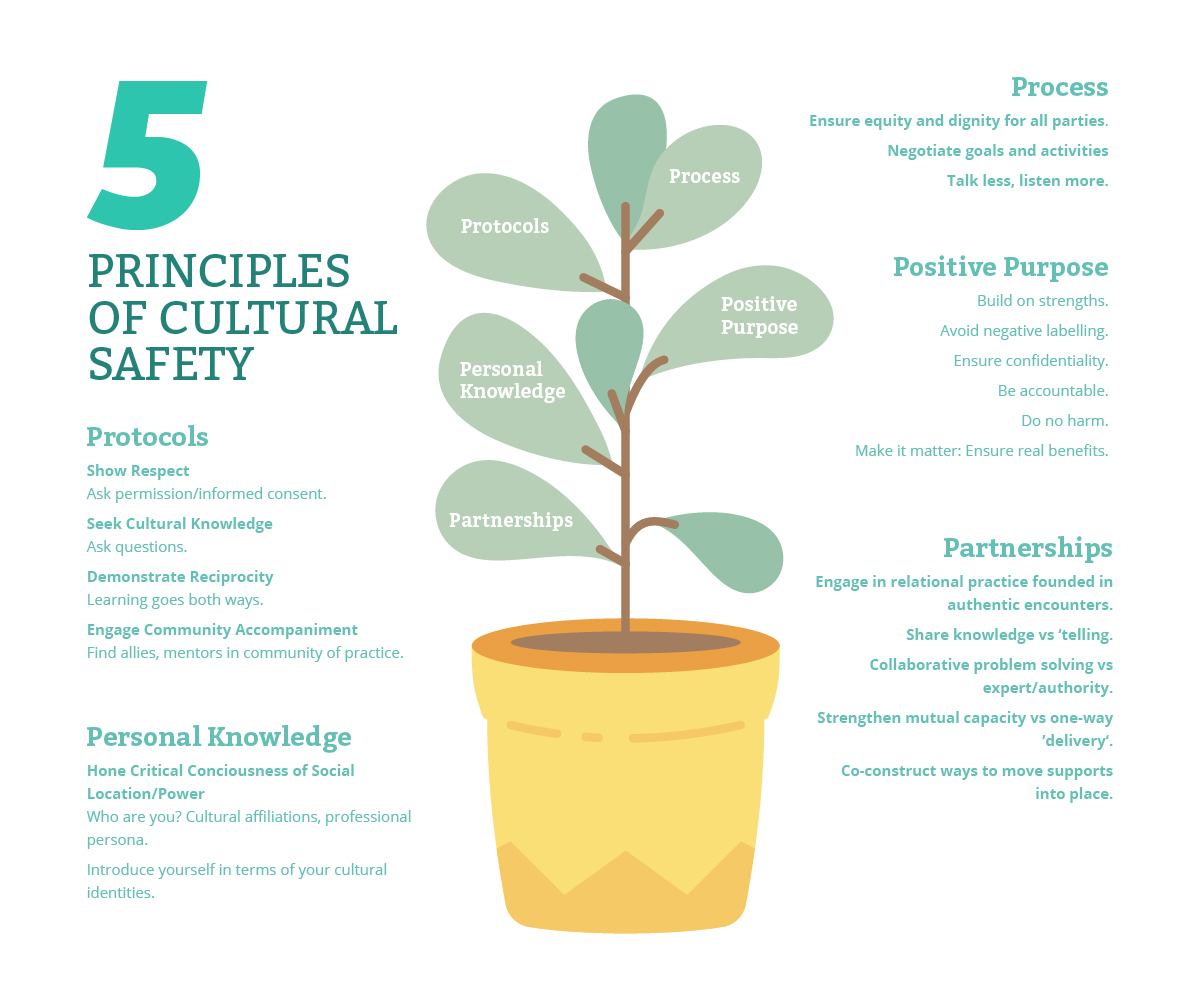
The Five Principles of Cultural Safety include:

  • Protocols
  • Personal knowledge
  • Partnerships
  • Process
  • Positive purpose
5 principles of cultural safety

Cultural Humility 

Cultural humility is a lifelong journey of self-reflection and learning. It involves listening without judgement, being open to learning from and about others, and learning about our own culture and our biases. Cultural humility is a building block for cultural safety.

Cultural Awareness

Cultural awareness is about recognizing that differences and similarities exist between cultures. Learning about the histories that impact Indigenous peoples in Canada is an important part of developing cultural awareness.

Cultural Sensitivity

Cultural sensitivity grows when we start to see the influences of our own culture and acknowledge that we have biases. It is about appreciating that there are differences among cultures.

Cultural Competence 

Cultural competence asks us to avoid making assumptions about people based on our biases. It requires developing knowledge, skills and attitudes for working effectively and respectfully with diverse and different peoples. While cultural competence does not require us to become experts in cultures different from our own, it expects us to be skilled in understanding interactions among members of a culture on their own terms.

Systemic Barriers

Systemic barriers are policies, procedures, or practices that unfairly discriminate and can prevent individuals from participating fully in a situation or accessing programs, services and resources.

Phone

Main:
604-544-1110

Toll-Free Foster Parent Line:
1-800-663-9999

Office hours: 8:30 am - 4:00 pm, Monday to Friday

PROVINCIAL CENTRALIZED SCREENING

Foster parents are encouraged to call this number in the event of an EMERGENCY or CRISIS occurring after regular office hours:

1-800-663-9122

REPORT CHILD ABUSE

If you think a child or youth under 19 years of age is being abused or neglected, you have the legal duty to report your concern to a child welfare worker. Phone 1-800-663-9122 at any time of the day or night. Visit the Government of BC website for more info.

address

BCFPA Provincial Office
Suite 208 - 20641 Logan Avenue
Langley, BC V3A 7R3

Email

contact us

Fill out our contact form...

Contact Us

Contact Us

We would like to hear from you. Please send us a message by filling out the form below and we will get back with you shortly.

Sending

Our work takes place on the traditional and unceded Coast Salish territories of the Kwantlen, Katzie, Matsqui and Semiahmoo First Nations. BCFPA is committed to reconciliation with all Indigenous communities, and creating a space where we listen, learn and grow together.

© 2021 BC Foster Parents. Site design by Mighty Sparrow Design.
Online Training

Online Training

Online Training

This course will explore Indigenous ways of knowing and how they can benefit all students. Topics include historical, social, and political issues in Aboriginal education; terminology; cultural, spiritual and philosophical themes in Aboriginal worldviews; and how Aboriginal worldviews can inform professional programs and practices, including but not limited to the field of education.

Cost: Free (or $61 for a certificate)

Time commitment: Self-paced, Approximately 14 hours to complete

Canadian Indigenous History and Cultural Sensitivity

Nisto Consulting Inc. (Holly Fortier) 

This online course was created by Holly Fortier (Cree/Dene from Ft. McKay First Nation, Alberta) for those who wish to educate themselves in Indigenous relations, cultural practices, and the historical impact of colonization.  

Cost: $99

Time commitment: Self-paced, One hour

San’yas is administered by the Indigenous Health Department at the Provincial Health Services Authority. San’yas means “way of knowing” in Kwak’wala the language of the Kwakwaka’wakw Peoples, whose traditional and unceded territories are located on northern Vancouver Island and surrounding areas. San’yas offers many courses on anti-Indigenous racism and Indigenous cultural safety

Cost: $300 

If you self-identify as Indigenous and do not have cost coverage for registration, you may have access to funding alternatives. 

Time commitment: 8 hours

Cultural Safety Modules

University of Victoria

This training is composed of three interactive modules designed to reflect on Indigenous peoples’ experiences of colonization and racism through the concept of cultural safety as it relates to health.

Cost: Free 

Time commitment: Self-paced

Indigenous Awareness

British Columbia Institute of Technology

This course provides foundational knowledge of Indigenous peoples and their place and space in Canada, past and present. 

Cost: Free

Time commitment: Self-paced (can be completed in two hours)

Indigenous Canada

University of Alberta

Indigenous Canada is a 12-lesson online course from the University of Alberta’s Faculty of Native Studies that explores Indigenous histories and contemporary issues in Canada. This course explores key issues facing Indigenous peoples today from a historical and critical perspective highlighting national and local Indigenous-settler relations. Topics for the 12 lessons include the fur trade and other exchange relationships, land claims and environmental impacts, legal systems and rights, political conflicts and alliances, Indigenous political activism, contemporary Indigenous life, art and its expressions. 

Cost: Free (or $61 for a certificate)

Time commitment: Self-paced, Approximately 21 hours to complete

Reconciliation through Indigenous Education

University of British Columbia

This course aims to advance reconciliation in classrooms, organizations, and communities through the teaching and learning of Indigenous ways of knowing.

Cost: Free (or $63 for a certificate)

Time commitment: Instructor-paced, Estimated 6 weeks

This learning bundle provides culturally specific information and approaches that can be applied in everyday practise when supporting Indigenous families. It aims to increase awareness about First Nation, Inuit and Métis people and their traditional approaches to raising children. 

Cost: $24 

Time commitment: 4 Hours

The program consists of 5 online modules that focus on the First Nations, Inuit and Métis peoples of Canada, the history of Indigenous peoples and their relationship with European settlers, the British Crown and the Dominion of Canada. 

Cost: $195 plus tax

Time commitment: Self-paced

This course is designed for individuals and organizations who work with Indigenous children, youth and families. The course is composed of 6 modules that discuss history, colonialism, and federal, provincial and territorial legislation and policies that have impacted, and continue to impact Indigenous communities, as well as the relationships between Indigenous and non-Indigenous people. 

Cost: $250

Time commitment: 6 modules, Self-paced

Indigenous Perspectives Society delivers specialized training programs and services supporting Indigenous children, youth, families and organizations. Courses relevant to foster caregivers include: Cultural Perspectives, Understanding History, Dispelling Myths and Stereotypes, and Community in Support of Indigenous Families: Understanding Abuse and Neglect.

Cost: Varies

Time commitment: Varies

Indigenous Awareness Canada offers online skills-based training courses to individuals and organizations aiming to build effective and positive relationships with Indigenous people in Canada. Courses relevant to foster caregivers include: Indigenous Awareness Introduction, Indigenous Awareness Certification, and Indigenous Peoples and Culture. 

Cost: $48 or $128

Time commitment: Varies

BC Council for Families

Various Courses

BC Council for Families offers numerous courses such as Indigenous Cultural Safety, Inclusive Trauma-Informed Practice Through a Lens of Cultural Safety, and Bringing Back the Village.

Cost: Varies

Time commitment: Varies

Under the leadership of its founder Bob Joseph (Chief name K’axwsumala’galis), Indigenous Relations Academy offers various cultural awareness and Indigenous training courses.

Cost: Varies

Time commitment: Self-paced, 30 days unlimited access

Phone

Main:
604-544-1110

Toll-Free Foster Parent Line:
1-800-663-9999

Office hours: 8:30 am - 4:00 pm, Monday to Friday

PROVINCIAL CENTRALIZED SCREENING

Foster parents are encouraged to call this number in the event of an EMERGENCY or CRISIS occurring after regular office hours:

1-800-663-9122

REPORT CHILD ABUSE

If you think a child or youth under 19 years of age is being abused or neglected, you have the legal duty to report your concern to a child welfare worker. Phone 1-800-663-9122 at any time of the day or night. Visit the Government of BC website for more info.

address

BCFPA Provincial Office
Suite 208 - 20641 Logan Avenue
Langley, BC V3A 7R3

Email

contact us

Fill out our contact form...

Contact Us

Contact Us

We would like to hear from you. Please send us a message by filling out the form below and we will get back with you shortly.

Sending

Our work takes place on the traditional and unceded Coast Salish territories of the Kwantlen, Katzie, Matsqui and Semiahmoo First Nations. BCFPA is committed to reconciliation with all Indigenous communities, and creating a space where we listen, learn and grow together.

© 2021 BC Foster Parents. Site design by Mighty Sparrow Design.
Secure Attachment

Secure Attachment

Secure Attachment

Your greatest impact as a parent and caregiver begins right where you are. As caring adults, you come equipped with positive intentions for children in your home and you are hardwired to form a close and lasting attachment with them. A secure attachment is the most important foundation you can offer to children.

Attachment refers to a deep and enduring emotional bond that develops between a child and a primary caregiver. It refers to how babies rely on their caregivers to make them feel safe and secure as they grow toward maturity. 

The central theme of attachment theory is that children grow and thrive in the context of close and consistently reliable relationships that allow them to develop a secure attachment. A secure attachment between a child and at least one adult helps to ensure that the neural pathways within the child’s brain become sculpted with the best possible connections made to handle stress, reduce anxiety and easily absorb new information and experiences. Developmental psychologist, Jude Cassidy defined a secure attachment as “confidence in the possibility of goodness”. A child with a secure attachment knows they can count on you, time and again, to be there for them. They carry that trust with them through important transitions and stages in life. 

For a child, developing a secure attachment with at least one adult results in:  

  • Better emotional regulation

  • Higher self-esteem

  • Greater willingness to explore

  • Greater academic success

  • Better problem-solving and coping skills 

  • Better communication skills

  • More positive engagement with peers

  • A greater sense of self-agency

  • More trusting and meaningful relationships 

  • More effective social interactions  

  • More empathy 

  • Stronger leadership qualities 

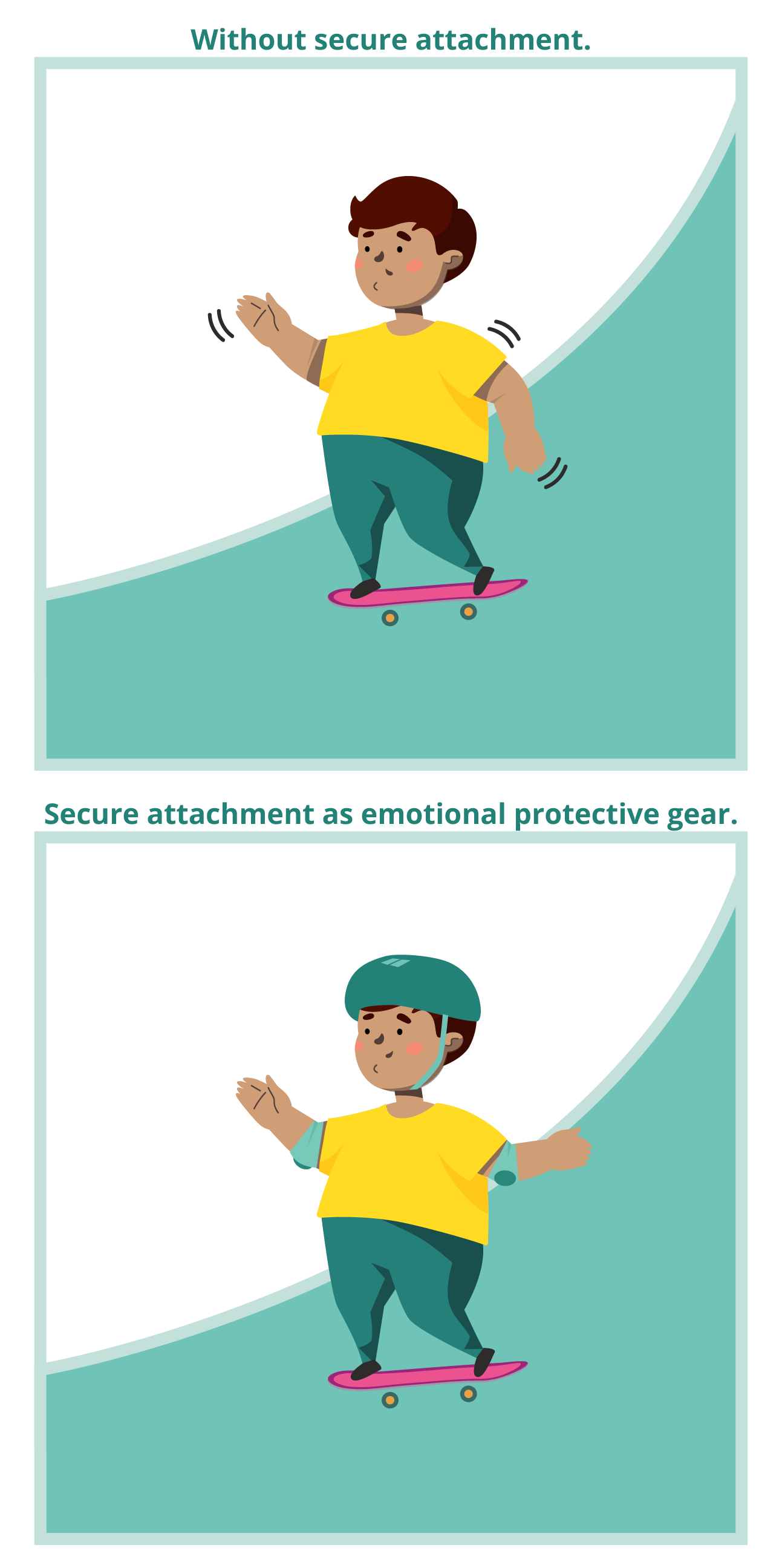
Secure attachment as emotional protective gear

Based on “The Power of Showing Up” by Daniel J. Siegel, M.D. and Tina Payne Bryson, PhD

Secure babies start life with a big advantage. A secure attachment is like an emotional protective gear on par with a helmet. Wearing a helmet won’t prevent an accident, but it will keep the child safe and protected should any accidents happen. Through a secure attachment, children can feel safe and cared for during tough experiences. With the trust that they can count on someone to help soothe the sting of life’s inevitable hardships, they gain the confidence they need to go out and find out who they are – and who they can become ­– in the big wide world. 

Attachment can tip the balance in a child’s stress level, ability to manage emotional experience, capacity for learning, and overall health. The stress of unmet attachment needs can derail a child’s mental, emotional, social, and physical growth. The kind of stress that starts in infancy when the pressures of being a helpless newborn aren’t eased by a caregiver’s comfort is called “toxic stress”. Toxic stress creates pathways in the brain that keep the child on high alert for danger. 

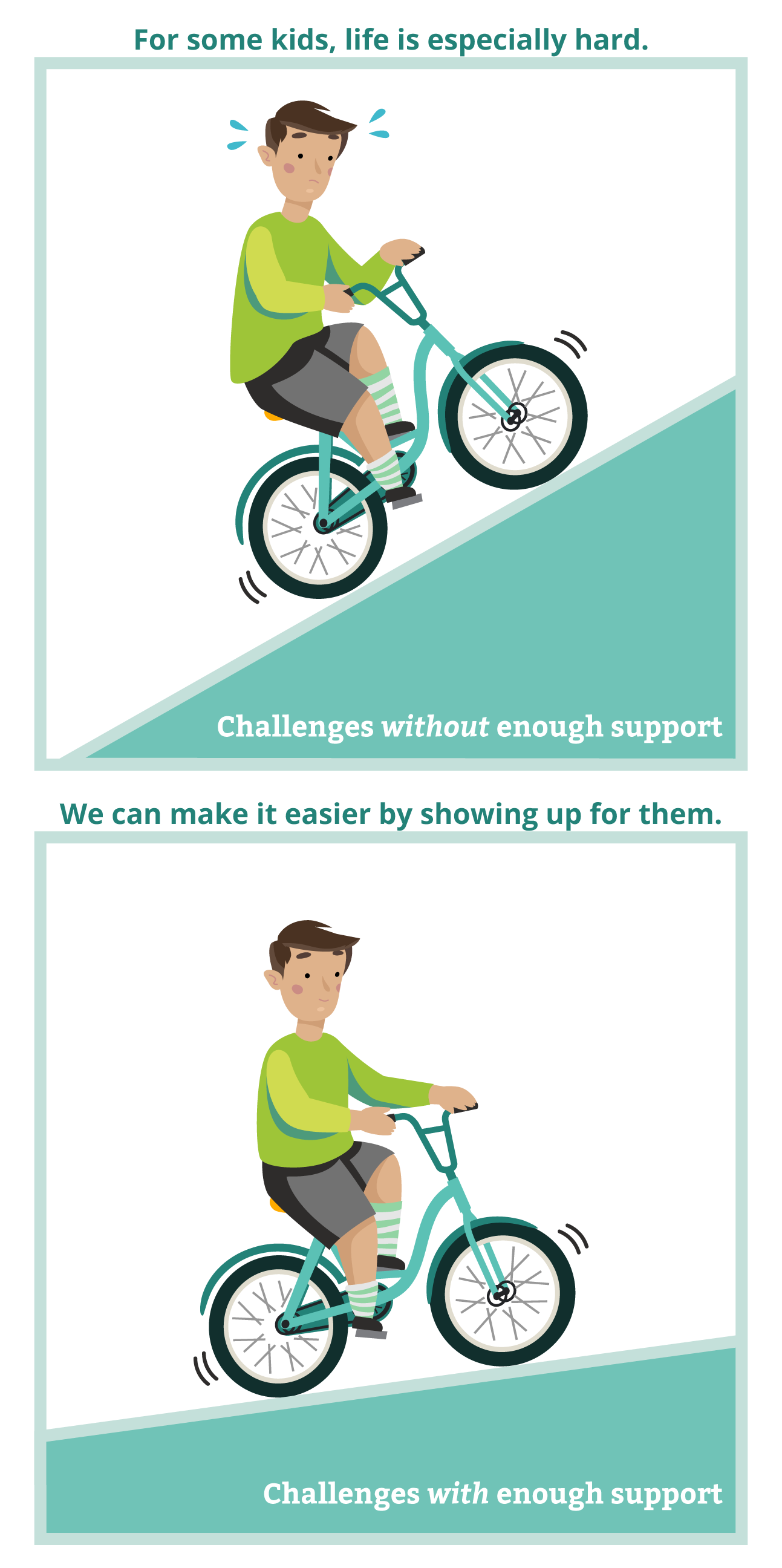
Children who have experienced trauma during their early years may constantly feel like they are pedalling a bicycle up a steep hill. As a caregiver, you may not be able to remove the force of gravity or flatten the hill, but if you can make them feel safe, seen, soothed and secure, you can at least regrade the slope so that pedalling isn’t quite so arduous.

Clinicians and founders of The Circle of Security, Kent Hoffman, Glen Cooper and Bert Powell, discovered that at the root of many struggles was the lack of a secure attachment in childhood. When no one had been there for them often enough as children, satisfying intimate relationships eluded them as adults. They wrestled with self-doubt and underachieved or overachieved at work. They suffer stress-related health problems or felt chronically dissatisfied with their lives and close relationships. A secure, trust-based emotional bond between a caregiver and a child holds the key to development. Every time you answer a child’s need for comfort or safety, you’re building a bond of trust that will result in a secure attachment. 

Uphill challenges

Based on “The Power of Showing Up” by Daniel J. Siegel, M.D. and Tina Payne Bryson, PhD

What is attachment disorder?

 Attachment disorder is a condition in which individuals have difficulty trusting anyone or creating meaningful and lasting relationships due to serious disruptions in forming attachments during early childhood. 

 Tips on developing an attachment with a child:

  • Engage in serve and return interactions.
  • Be predictable. Have a routine for meals, bedtime and other regular activities.  
  • Learn appropriate age-development skills and work with the child to master them. 
  • Play games with them. 
  • Read books to them.
  • Encourage them to tell stories. 
  • Encourage the child to teach you something they learned at school. 
  • Be supportive in meeting their environmental needs (e.g. preferences in clothing, food, activities).
  • Be consistent and responsive to their needs (e.g. respond quickly and empathetically when they are sick). 
  • Provide a quality of presence (e.g. attend school functions, get to know their friends, help them with homework).   
  • Take an attitude of curiosity rather than immediate judgment when they are having tantrums and meltdowns. Be calm and ask questions in order to understand what’s beneath their behaviour.

Quiz time!

Take this quick knowledge check about the importance of secure attachments in early childhood development.

Quiz (Early Years: Attachment)
What is the first step toward strong attachment?
What is the condition in which individuals have difficulty trusting anyone or creating meaningful and lasting relationships due to serious disruptions in forming attachments during early childhood?
True of False? One of the best predictors of how any child turns out is whether they developed a secure attachment with one adult in their life.
True or False? Securely attached children are better able to regulate their emotions and make good decisions.
True or False? A reliable parent or primary caregiver is called an" attachment figure".
True or False? Within a secure attachment, children learn that emotion is natural and normal. They learn how to regulate emotion when they know that someone can help make difficult feelings manageable, and this helps them start to learn to soothe their self.
True or False? Emotional regulation means rejecting or suppressing emotion.
True or False? A caring adult's reliable presence in the lives of children can significantly impact the physical architecture and connectivity in their brains.
True or False? Your job as a caregiver is to prevent children from experiencing setbacks and failures. Being overprotective is always the answer.
True or False? Secure attachment can be learned and earned. Even if you did NOT receive secure attachment from your parents, you can still offer it to the children or youth you are raising.

References

Hoffman, K., Cooper, G., Powell, B., & Benton, C. M. (2017). Raising a secure child. Guilford Publications.

Powell, B., Cooper, G., Hoffman, K., & Marvin, R. S. (2009). The circle of security. In C. H. Zeanah, Jr. (Ed.), Handbook of infant mental health (pp. 450–467). The Guilford Press.

Powell, B., Cooper, G., Hoffman, K., & Marvin, R. S. (2009). The Circle of Security Intervention: Enhancing Attachment in Early Parent-Child Relationships. The Guilford Press.

MacNamara, D. (2016). Rest, Play, Grow: Making Sense of Preschoolers (Or Anyone Who Acts Like One). Vancouver, BC: Aona Management. 

Neufeld, G., & Maté, G. (2004). Hold on to your kids: Why parents matter. Toronto: A.A. Knopf Canada.

Siegel, D. J., & Bryson, T. P. (2020). The power of showing up: How parental presence shapes who our kids become and how their brains get wired

Siegel, D. J., & Bryson, P. H. D. T. P. (2012). The whole-brain child. Random House.

Woodhouse, S. S., Powell, B., Cooper, G., Hoffman, K., & Cassidy, J. (2018). The circle of security intervention: Design, research, and implementation. In H. Steele & M. Steele (Eds.), Handbook of attachment-based interventions (pp. 50–78). The Guilford Press.

Phone

Main:
604-544-1110

Toll-Free Foster Parent Line:
1-800-663-9999

Office hours: 8:30 am - 4:00 pm, Monday to Friday

PROVINCIAL CENTRALIZED SCREENING

Foster parents are encouraged to call this number in the event of an EMERGENCY or CRISIS occurring after regular office hours:

1-800-663-9122

REPORT CHILD ABUSE

If you think a child or youth under 19 years of age is being abused or neglected, you have the legal duty to report your concern to a child welfare worker. Phone 1-800-663-9122 at any time of the day or night. Visit the Government of BC website for more info.

address

BCFPA Provincial Office
Suite 208 - 20641 Logan Avenue
Langley, BC V3A 7R3

Email

contact us

Fill out our contact form...

Contact Us

Contact Us

We would like to hear from you. Please send us a message by filling out the form below and we will get back with you shortly.

Sending

Our work takes place on the traditional and unceded Coast Salish territories of the Kwantlen, Katzie, Matsqui and Semiahmoo First Nations. BCFPA is committed to reconciliation with all Indigenous communities, and creating a space where we listen, learn and grow together.

© 2021 BC Foster Parents. Site design by Mighty Sparrow Design.