Sixties Scoop

Sixties Scoop

Sixties Scoop

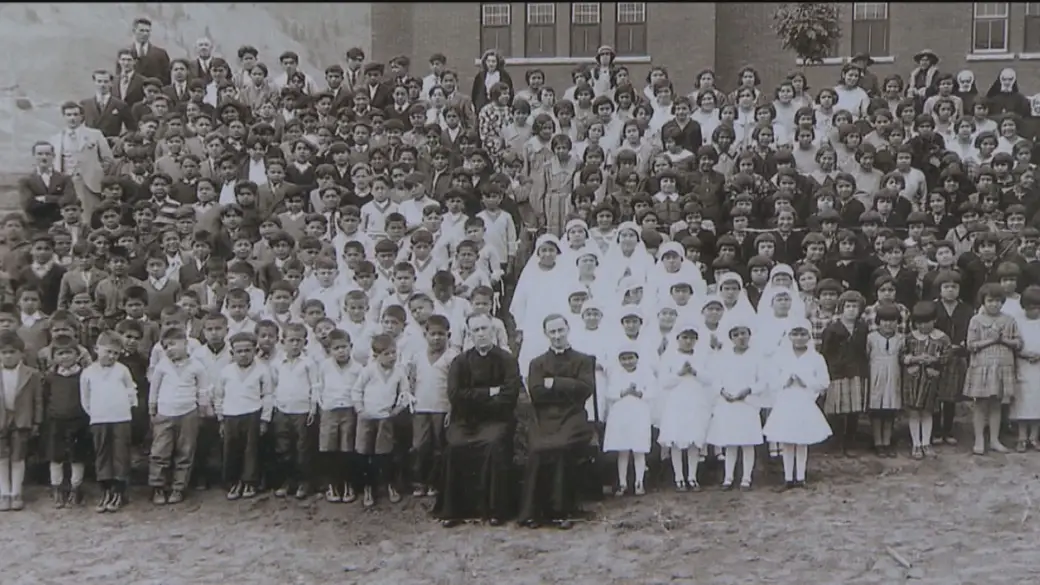
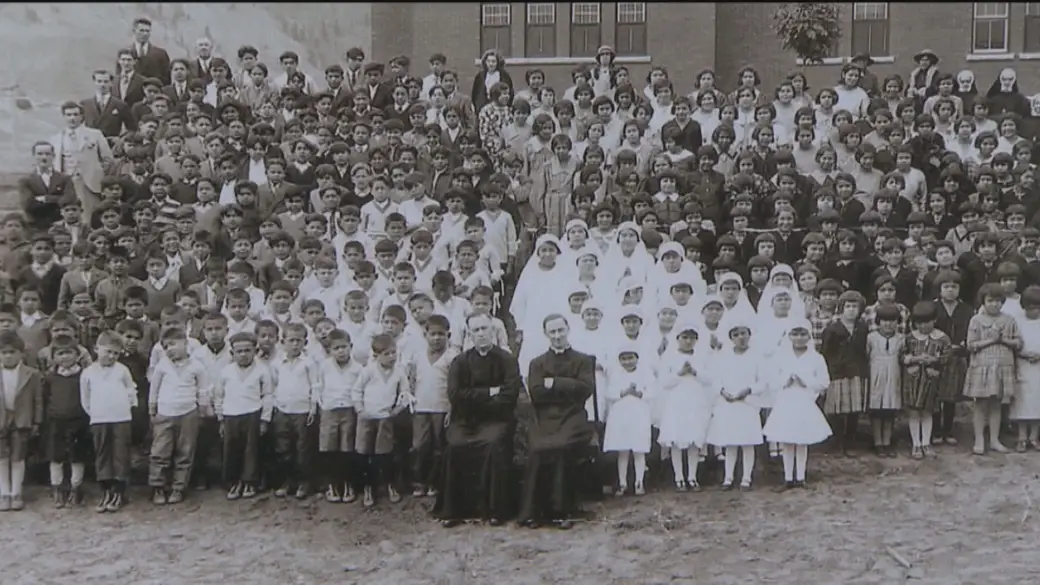
The term Sixties Scoop was coined by Patrick Johnston, author of the 1983 report Native Children and the Child Welfare System. It refers to the large-scale removal or ‘scooping’ of Indigenous children from their families, communities and their culture into the child welfare system, in most cases without the consent of their families or bands. Almost all newly born children were removed from the care of their mothers and were placed in foster homes, and eventually adopted out to non-Indigenous (Euro-Canadian) families. Many of them faced physical, psychological and sexual abuse, and were made to feel ashamed of who they are. The Truth and Reconciliation Commission characterized the Sixties Scoop as a legacy of the residential school system.

Sixties Scoop Timeline

1951

Amendments to the Indian Act give provinces jurisdiction over Indigenous child welfare. The government begins to phase out compulsory residential school education.
Sixties Scoop
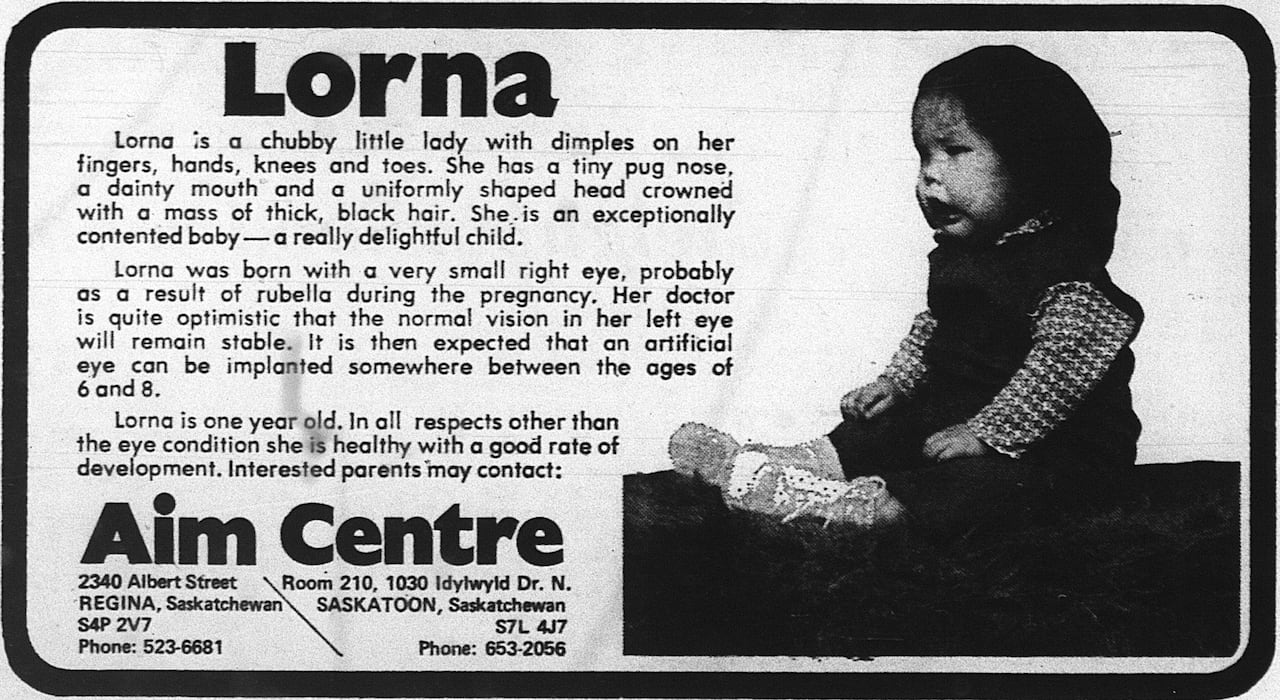
AIM ad Saskatchewan

1960s

The sixties marked an exponential increase in the number of Indigenous children apprehended by child welfare authorities. Indigenous children were removed from their families, communities and their culture and placed in foster homes, and eventually adopted out to Euro-Canadian families. During this time, social workers were not required or expected to have training about the Indigenous communities they visited. Their values on what constitutes proper care were largely based on Euro-Canadian values.

1977

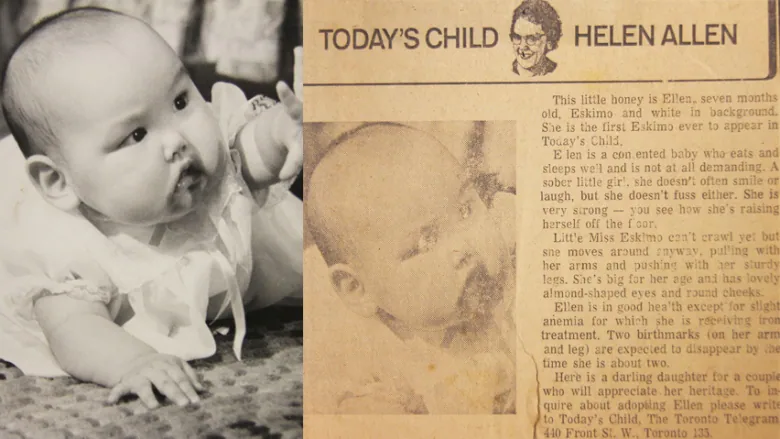
By 1977, an estimated 15,500 Indigenous children in Canada were living in care. According to H. Philip Hepworth’s 1980 study entitled Foster Care and Adoption in Canada, Indigenous children represented 20 percent of all children living in care, even though Indigenous children made up less than 5 percent of the total child population. In western Canadian provinces, the proportion of Indigenous children is higher – 39 percent in British Columbia to 60 percent in Manitoba.
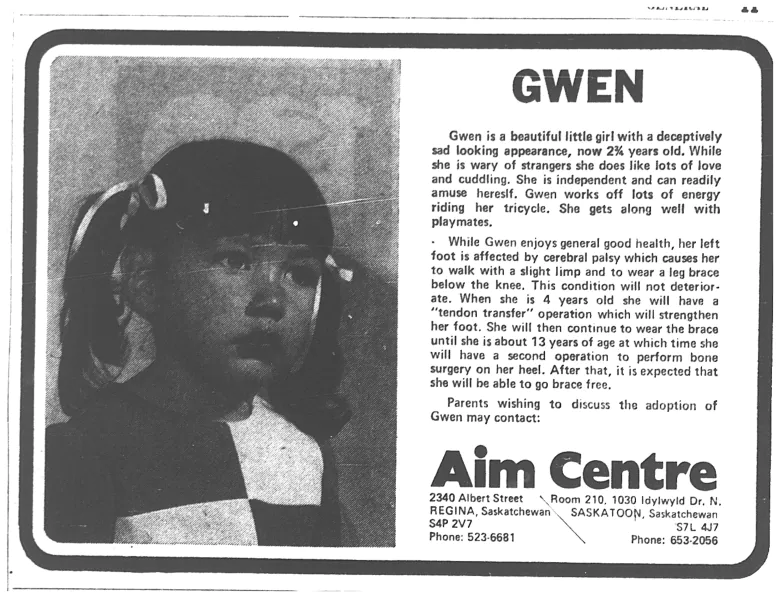
AIM ad Gwen Saskatchewan
Tauni Sheldon Today's Child

1983

Patrick Johnston authored Native Children and the Child Welfare System where the term Sixties Scoop first appeared. During his research, he interviewed a retired social worker in British Columbia, who said that during the sixties, she and her colleagues “scooped” children from reserves “almost as a matter of course.”

1985

Justice Edwin Kimelman releases a report entitled No Quiet Place concludes that “cultural genocide has taken place in a systematic, routine manner”. Many legislative changes are made following the reports of Patrick Johnston and Justice Edwin Kimmelman as well as the calls of Indigenous bands to amend provincial adoption laws. Some of the changes include requiring Band notification and prioritizing placements with extended family members.
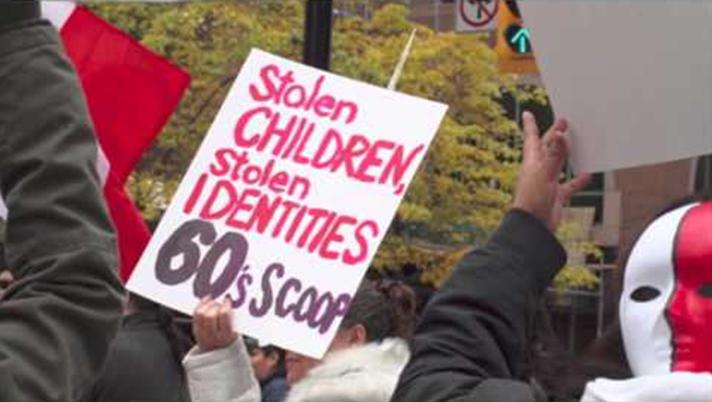
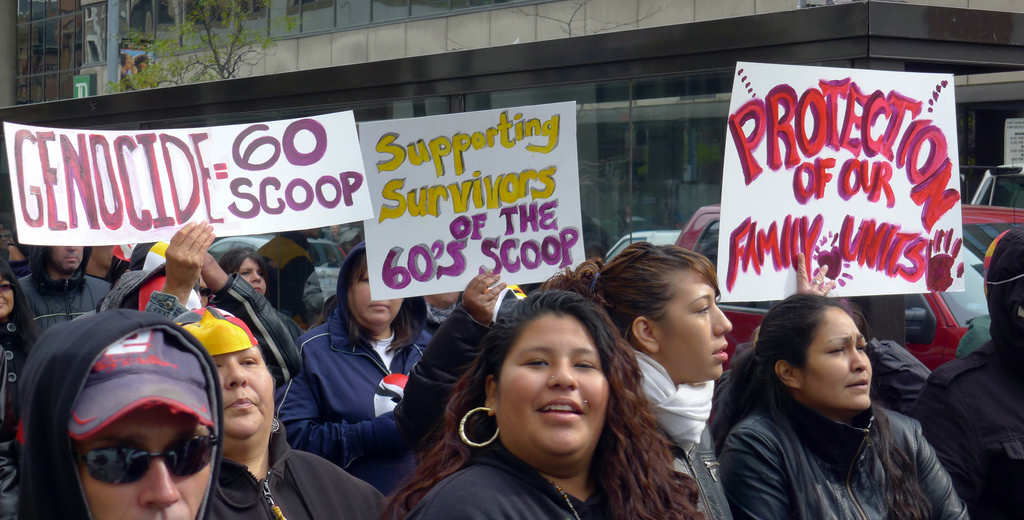
60s scoop protest
60s scoop moratorium 1992

1992

A moratorium is placed on non-Indigenous families adopting Indigenous children in British Columbia, which was later replaced by an Exceptions committee to determine care plans.

1996

BC passes the Child, Family and Community Services Act & the Adoption Act, both requiring greater inclusion of a child’s community and culture in decision making.
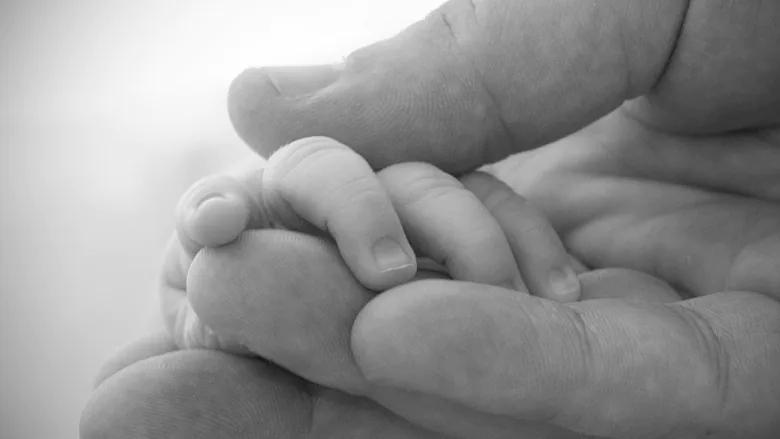

baby hand in adult hand
Truth and Reconciliation Commission logo

2015

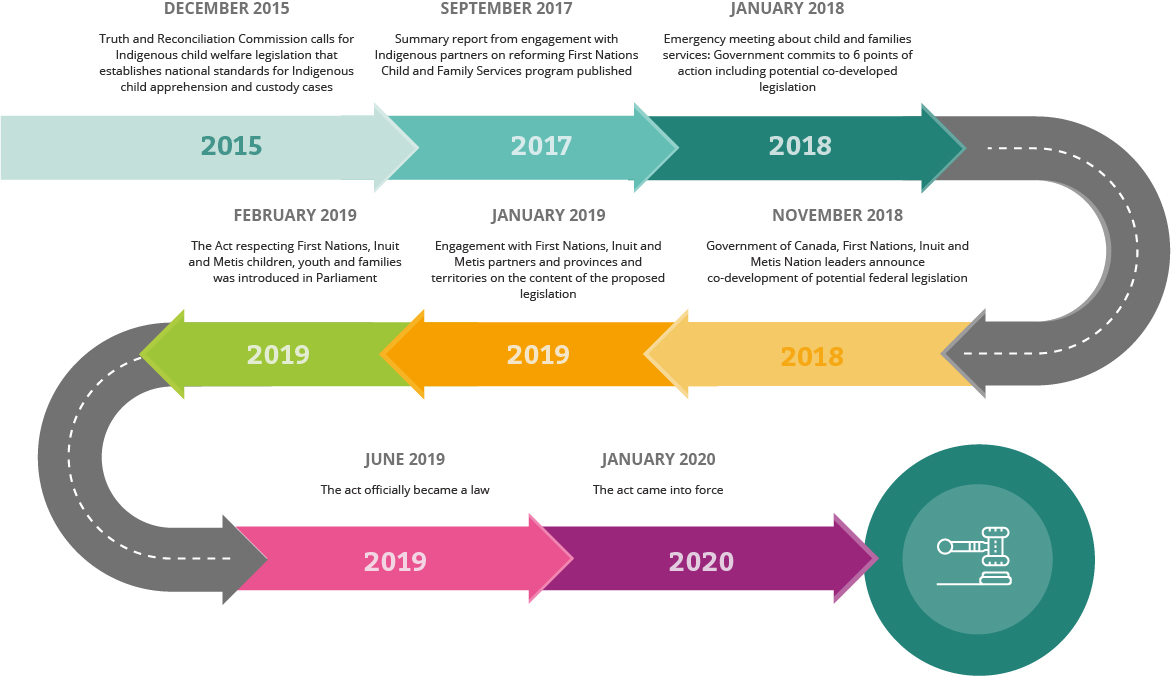
The Truth and Reconciliation Commission calls for Indigenous child welfare legislation that will address the overrepresentation of Indigenous children in the child welfare system. The Truth and Reconciliation Commission also calls for national standards for Indigenous child apprehension and custody cases.

2017

A summary report from engagement with Indigenous partners on reforming First Nations Child and Family Services program was published.
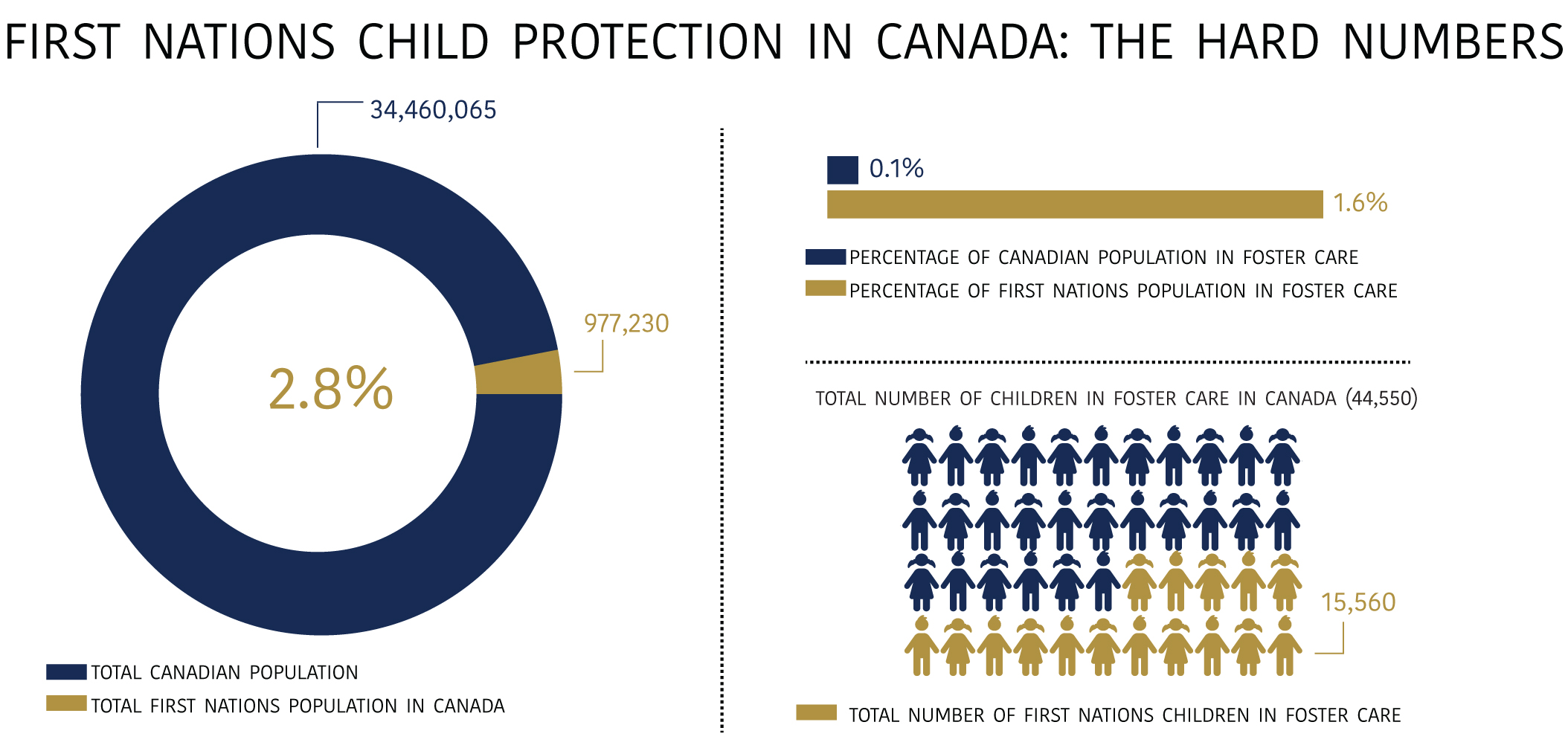

First Nations Child and Family Services
Marcia Brown Martel

2018

Approved in August 2018, the federal government has reached an agreement to commit $800 million to Sixties Scoop survivors. This agreement has been widely criticized because it does not account for abuses suffered and excludes non-Status and Métis survivors. In November 2018, the Government of Canada, First Nations, Inuit, and Métis Nation leaders announced the co-development of potential federal legislation on Indigenous child welfare.

2019

The government of Canada introduces Bill C-92, An Act respecting First Nations, Inuit and Métis children, youth and families.

bill C-92 - timeline
An Act respecting First Nations, Inuit and Métis Children, Youth and Families

2020

The federal child welfare legislation comes into force.

To learn more about the Sixties Scoop:

References

Sinclair, R. (1). Identity lost and found: Lessons from the sixties scoop. First Peoples Child & Family Review, 3(1), 65-82. Retrieved from https://fpcfr.com/index.php/FPCFR/article/view/25

Sixties Scoop. (n.d.). Welcome to Indigenous Foundations. https://indigenousfoundations.arts.ubc.ca/sixties_scoop/

Sixties Scoop. (n.d.). The Canadian Encyclopedia. https://www.thecanadianencyclopedia.ca/en/article/sixties-scoop

Phone

Main:
604-544-1110

Toll-Free Foster Parent Line:
1-800-663-9999

Office hours: 8:30 am - 4:00 pm, Monday to Friday

PROVINCIAL CENTRALIZED SCREENING

Foster parents are encouraged to call this number in the event of an EMERGENCY or CRISIS occurring after regular office hours:

1-800-663-9122

REPORT CHILD ABUSE

If you think a child or youth under 19 years of age is being abused or neglected, you have the legal duty to report your concern to a child welfare worker. Phone 1-800-663-9122 at any time of the day or night. Visit the Government of BC website for more info.

address

BCFPA Provincial Office
Suite 208 - 20641 Logan Avenue
Langley, BC V3A 7R3

Email

contact us

Fill out our contact form...

Contact Us

Contact Us

We would like to hear from you. Please send us a message by filling out the form below and we will get back with you shortly.

Sending

Our work takes place on the traditional and unceded Coast Salish territories of the Kwantlen, Katzie, Matsqui and Semiahmoo First Nations. BCFPA is committed to reconciliation with all Indigenous communities, and creating a space where we listen, learn and grow together.

© 2021 BC Foster Parents. Site design by Mighty Sparrow Design.

Nutrition

Nutrition

Nutrition

How Nutrition Impacts a Child’s Brain Development During the First 1,000 Days

The first 1000 days refers to the stage of life that starts at conception through to two years of age. There is strong evidence that this is a critical period in their development. It is a period when children are growing and developing both physically, mentally & emotionally at a faster rate than at any other time in their life.

The role of a positive environment

As caregivers, you are laying the foundation for how the brain will work for the rest of a person’s life. The environment a child lives in, and how they are loved, cared for, and nurtured, is crucial for healthy brain development. During a child’s early years, caregivers can practice responsive feeding, which is responding to a baby’s cues to provide breast or bottle feeding. It also recognizes that feeds are not just for nutritional needs but also for attachment, emotional support, and connection between baby and caregiver.

small child eats pasta

Which foods are best? 

  • Focus on variety. Offer foods from all the food groups such as fruits & veggies, dairy and alternatives, grains, and meat and alternatives. 
  • Aim to include three food groups at meals and two food groups at snacks.  
  • Iron-rich foods: Iron stores deplete by 6 months. Aim to incorporate soft-cooked meats, beans and lentils (or bean-based pasta), fortified cereals (you can also use in mini muffins or pancakes), and dark leafy vegetables.  
  • Omega 3 rich foods: For cognitive development, brain and eye health, incorporate salmon, herring, and trout to their meals. You can add them to pasta, spread them on toast, or make them into fish sticks. Other options include ground flax, hemp hearts, ground walnuts. 
  • Vitamin D: Supplement with vitamin D drops (400IU up to 12 months and 600IU age 1-8 years old). 

Note: Plant-based milks are not recommended for the first 2 years of life.

Canada food guide

Canada’s Food Guide offers guidelines on nutrition for people aged two and older.

Important tips: 

  • Think of each meal as a new eating opportunity to learn, explore, and play with foods. Give lots of opportunities to try new foods, serve the same food multiple ways
  • Don’t give up! Consistency and multiple exposures are key. 
  • Avoid using screens during mealtimes. 
  • Let them get messy, use all of their senses. 
  • Talk, talk, talk! Babies are listening even if they can’t respond. They are learning from your words, tone, and your eyes. 
  • Eat together as often as possible, children learn from watching the adults around them eat.

Tips & Tricks to Encourage a Healthy Relationship with Food for Children Under the Age of 6

Young children need to develop healthy eating habits early on. Children look to the caring adults around them for guidance and pattern habits after them. As caregivers, you play an important role in:

  • creating a healthy food environment in your home
  • supporting a child’s interest in healthy food
  • shaping the child’s eating habits and behaviours

Important tips: 

  • Children are black and white thinkers. Avoid labelling foods as “good food” and “bad food”. Call food by its name (e.g. candy, broccoli, cake). 
  • Allow a variety of foods including sweets. Allowing regular access to sweets helps neutralize them as “just another food”.
  • Focus on the body’s function. Teach children how to describe how their body feels and what it can do over what it looks like.
  • Avoid making negative comments about your own body. Children internalize messages shared by trusted adults about appearance ideals and weight. Negative dialogue about your body can influence how a child feels about their own body. 
  • Compliment children on things that have nothing to do with appearance. Praise children on areas such as kindness, being a good friend or sibling, or creativity. 
  • Show lots of love and remind children that their body is a good body regardless of size or shape. Children who feel good in their bodies have better health outcomes.

Five Strategies to Reduce Mealtime Battles with Children Under the Age of 6

Is the child in your home a picky eater? Picky eating happens when a child refuses food often or eats the same food over and over. Picky eating usually peaks in the toddler and preschool years. During the early years, children often seek “sameness” as much as possible, including sticking to the same small group of foods. This consistency helps them feel safe and secure during a period of rapid change.

  1. Make sure they are hungry. Kids need regular meals and snacks throughout the day but if they graze all day long (even if it is just milk or juice), they won’t be hungry enough to eat when it’s ‘meal time’.
  2. Let them choose. The more you get them involved with food, the more likely they are to eat it. Serve food family-style whenever possible and let them choose which foods they want to put on their plate.
  3. Get them involved. Getting kids in the kitchen is one of the top strategies to improving food acceptance. Touching, feeling, smelling, and possibly tasting food without the pressure of having it on their plate will help children get more familiar with different foods and be more likely to eat them.
  4. Eat together. Eating together (screen-free) provides a time to connect and have caregivers model a healthy relationship with food. Kids are also more likely to try a food if they see their caregivers eating them.
  5. Provide unfamiliar foods with familiar foods. When planning meals, choose at least one food you know the child will like, known as a “safe” food. This can be bread, rice, pasta, fruit, etc. This way, they will have the option to eat that food if all else fails.

Content developed by Jenn Messina. Jenn Messina is a Registered Dietitian based in beautiful Vancouver, BC. Jenn is passionate
about all aspects of holistic health and practices through the lens of Health at Every Size® and Intuitive Eating. She works with
individuals who are ready to break up with dieting and find balance and joy with food. She also works with families looking to
support their children to have a healthy relationship with food and their bodies. Follow her on Instagram @jennthedietitian
and visit her website at www.jennmessina.com

Phone

Main:
604-544-1110

Toll-Free Foster Parent Line:
1-800-663-9999

Office hours: 8:30 am - 4:00 pm, Monday to Friday

PROVINCIAL CENTRALIZED SCREENING

Foster parents are encouraged to call this number in the event of an EMERGENCY or CRISIS occurring after regular office hours:

1-800-663-9122

REPORT CHILD ABUSE

If you think a child or youth under 19 years of age is being abused or neglected, you have the legal duty to report your concern to a child welfare worker. Phone 1-800-663-9122 at any time of the day or night. Visit the Government of BC website for more info.

address

BCFPA Provincial Office
Suite 208 - 20641 Logan Avenue
Langley, BC V3A 7R3

Email

contact us

Fill out our contact form...

Contact Us

Contact Us

We would like to hear from you. Please send us a message by filling out the form below and we will get back with you shortly.

Sending

Our work takes place on the traditional and unceded Coast Salish territories of the Kwantlen, Katzie, Matsqui and Semiahmoo First Nations. BCFPA is committed to reconciliation with all Indigenous communities, and creating a space where we listen, learn and grow together.

© 2021 BC Foster Parents. Site design by Mighty Sparrow Design.
The Power of Play

The Power of Play

The Power of Play

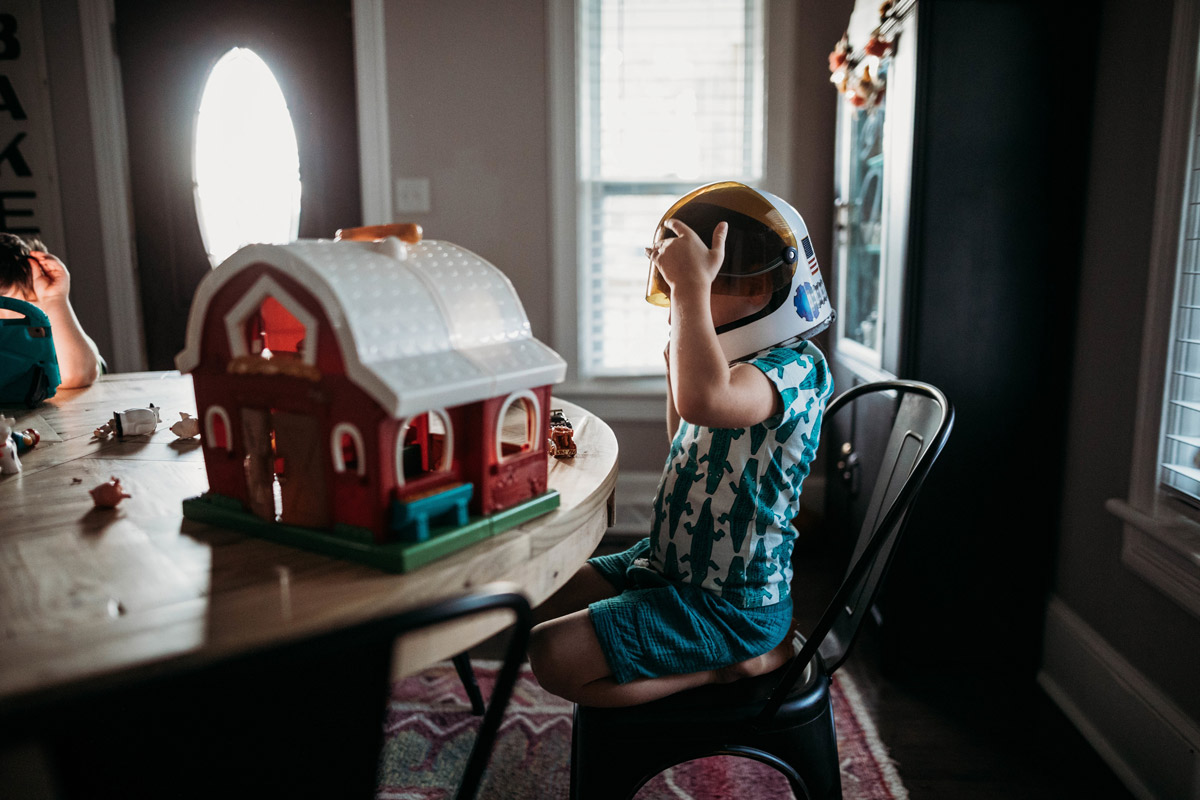
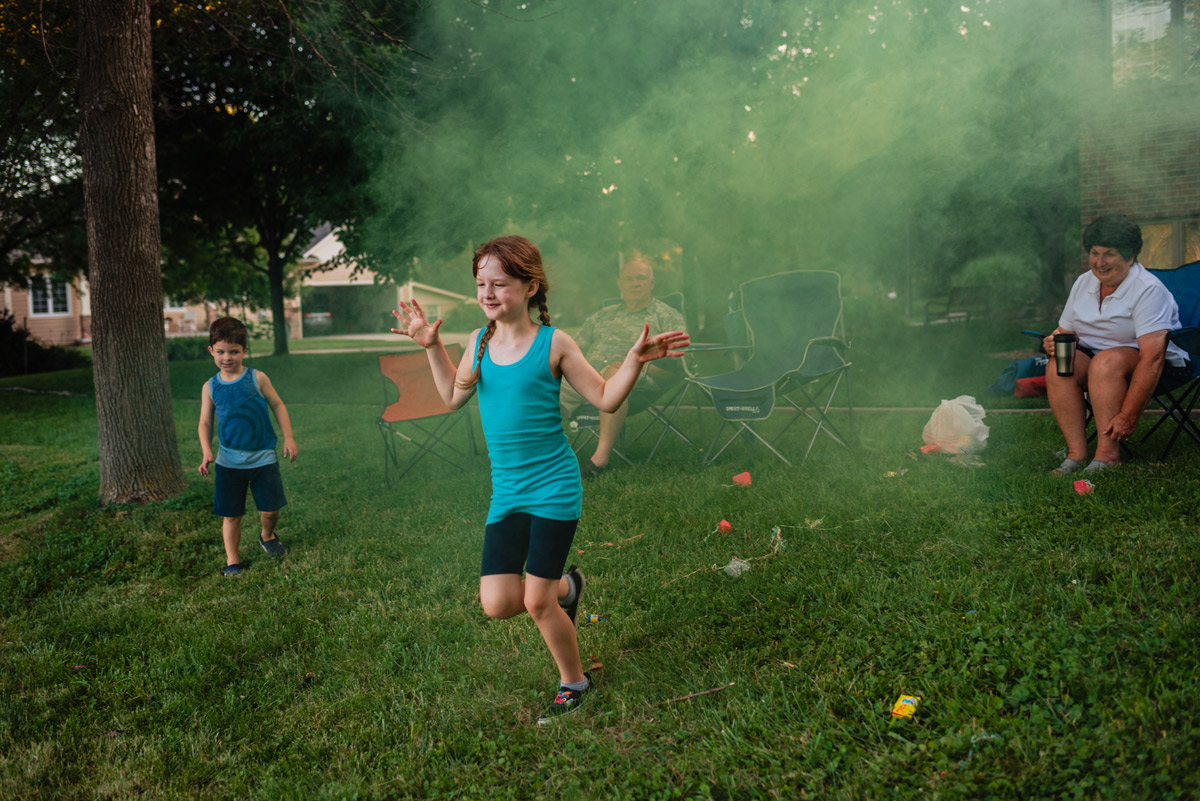
Young children are built for play and play is a natural part of childhood. Bruno Bettelheim, a psychologist, defined play as “the means to allow children to attempt to bridge their reality and the world around them”. Play unearths a child’s interests, desires, and goals. The type of play young children need is characterized by freedom, enjoyment and a leap into settings to explore. Evidence from development science over the last 75 years has demonstrated that play is important for healthy development.

What is play?

Self-chosen and self-directed.

Play is about allowing children to do what they want to do safely instead of what they are supposed to do. Children are engaged through play when the play is self-led. Play is not about putting information into a child but drawing out a child’s ideas, intentions, aspirations, preferences, wants, and wishes.

Self-chosen and self-directed play

Process-oriented.

Play is about allowing the child space to explore and learn independence. True play happens when a child is not concerned about goals, results or rewards. Therefore, a child performing at a recital or playing sports in anticipation of a medal, is not considered play. While play can have goals, the goals should be focused on the creation of something (e.g. creating an artwork, building blocks, etc) rather than the creation of a product itself. As children play, they learn important skills that have a lasting impact on their development.

Individually constructed.

Play is structured by the child. It is self-governing, allowing children to create boundaries for themselves. For instance, when a child is engaged in pretend play, they decide how their play will be structured.

BCFPA Individually constructed.

Communicative.

Play allows children to express themselves, despite their lack of words and understanding. Through play, children can communicate verbally, using words or their bodies, and other non-verbal cues. When children play with their peers, children learn and develop social and language skills.

Enjoyable.

Play is not supposed to be stressful. Play provides opportunities for children to have fun and make sense of their world.

Enjoyable play

Symbolic.

Symbolic play happens when children use an object or toy to represent something else. Symbolic play involves “pretend playing” with toys that are symbols representing other objects that the child needs as part of the pretend scenario.

Imaginative.

Play encourages imagination, curiosity, sensory experience and experimentation, allowing children to explore unknown or new concepts. Ideas that children share and come up with during play may not be governed by rules that are consistent with the real world. For example, a penguin can’t fly because their wing is broken, when in reality, penguins can’t fly because penguins are aquatic, flightless birds that use their wings as flippers.

Therapeutic.

Play is a natural way for children to relieve stress and work through different emotions and experiences.

Imaginative play

Active.

Young children need active play which involves regular, vigorous, physical activities that take place when children are alert and active. During play, children use their bodies and minds in play by interacting with the environment, materials and other people.

Active play

Why do children need to play?

  • To forward development and realize their potential
  • To find and express their true selves
  • To program the brain’s problem-solving networks
  • To preserve psychological health and well-being
  • To find their creative edge and responsibility 
  • To practise life in a space free of consequences 

Video shared with permission from Harvard University’s Center on the Developing Child

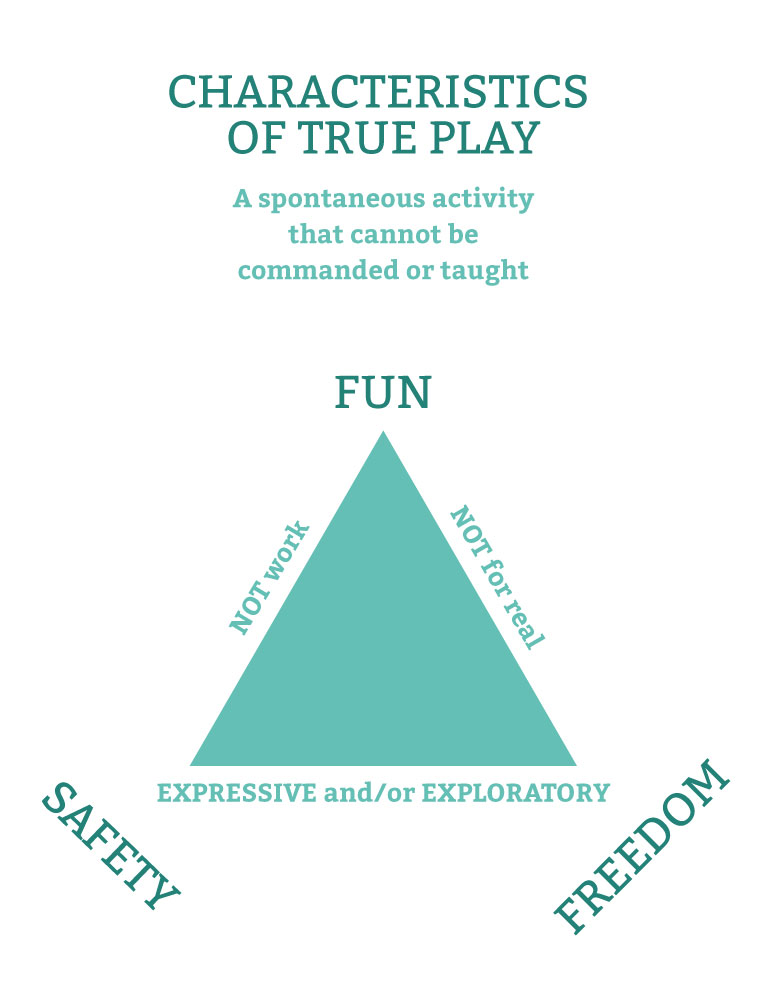
Characteristics of True Play

  1. Play is not work.

Play is about freedom, imagination, and fun. When the child is playing, their focus should be on the activity rather than on any particular outcome set by an adult or another child. When children are at play, they are engaged and having fun experiencing the activity.

  1. Play is not for real.

Play is meant to happen outside the realities of everyday life. It is supposed to be free of consequence and risk so that a child can play without worrying about whether they are being judged for doing something right or wrong.

  1. Play is expressive and exploratory.

Play is not a passive experience where a child is made to be a bystander. Through play, children are able to express themselves and discover new things, rather than being led or directed by an adult. Play involves the outflow of energy from the child. A child should naturally play with numbers, lines, sounds, words, or ideas.

characteristics of true play

Adapted from Dr. Gordon Neufeld’s Making Sense of Play course

The Decline of Play

Despite the many benefits of play, studies have shown that the amount of time children have spent playing has been declining for decades. “The opportunity for kids to freely engage in play with one another has diminished considerably over the last 50 years,” says Sergio Pellis, a professor of neuroscience at the University of Lethbridge in Alberta. The decline of play in children has been attributed to tightly structured family and school schedules, an increase in parents or caregivers working outside the home, fewer safe places to play, and the rising use of the internet and screen time. According to Dr. Deborah Macnamara, “there is no greater task in raising young children today than creating the conditions that will protect space and time for play”.

In this talk, Dr. Peter Gray compellingly brings attention to the reality that, over the past 60 years, there has been a gradual but overall dramatic decline in children’s freedom to play with other children, without adult direction. Over this same period, there has been a gradual but overall dramatic increase in anxiety, depression, feelings of helplessness, suicide, and narcissism in children and adolescents. Based on his own and others’ research, Dr. Gray documents why free play is essential for children’s healthy social and emotional development and outlines steps through which we can bring free play back to children’s lives.

Supporting Play During the Early Years

Participate and let children take the lead.

Engage in play that’s rich in back-and-forth interactions between you and the child. Pay attention to children’s ideas and interests when playing. Talk about what the child is doing or ask questions to support their play.

Allow them to make mistakes.

As adults, it’s difficult not to take over because we feel like we know the best way to do things and how to avoid mistakes. Mistakes are an important part of play. Allowing children to make mistakes during play gives them the opportunity to evaluate their process after a mistake and to create a new plan which supports critical thinking and problem-solving skills.

Build a playful space.

Create a space where children are safe and free to play and explore as they wish. Remove dangerous items and fill their space with open-ended materials that can be used in many different ways (e.g. playdough, building blocks, etc). Encourage the child to use their curiosity, imagination and problem-solving skills.

Label the emotions children express during play.

This helps children name, identify and express their feelings.

Trust them.

Children are born to play – they just need you to trust them to do it! Give children the space, freedom and permission they need to explore their world through play. Adults should be present to support their play as needed, but learn to let them be.

Play Therapy

Play therapy is a psychotherapeutic approach used to help children aged 2 to 12 explore their thoughts and emotions. The goal of play therapy is to help children learn to express themselves in healthier ways. Therapeutic play usually takes place in a safe, comfortable playroom, where very few rules are imposed on the child, encouraging free expression and allowing the therapist to observe the child’s behaviour and play style. 

Play therapy helps children with social or emotional challenges learn to communicate better, develop problem-solving skills, and relate to others in positive ways. It may be used to help children who have experienced or witnessed traumatic events in their lives, such as a serious illness, neglect, abuse, or a family crisis. Play therapy can also help children with learning disabilities, behavioural disorders, anxiety, depression, grief, as well as children with neurodevelopmental disorders such as Attention Deficit Hyperactivity Disorder (ADHD) or Autism Spectrum Disorder (ASD).

Some play therapy activities may include:

  • art therapy
  • dance
  • storytelling
  • role-playing
  • creative visualization (imagery and fantasy games)
  • music
  • self-control games 
  • strategy games

Learn more about the importance of play in early childhood and listen to this episode of The Brain Architects by Harvard University’s Center on the Developing Child. In this podcast, Dr. Jack Shonkoff explains the role of play in supporting resilience and five experts share their ideas and personal stories about applying the science of play in homes, communities, and crisis environments around the world.

References

Else, P. (2014). Making Sense of Play: Supporting children in their play: Supporting children in their play. Open University Press. 

MacNamara, D. (2016). Rest, Play, Grow: Making Sense of Preschoolers (Or Anyone Who Acts Like One). Vancouver, BC: Aona Management. 

Guralnick, M. (2011). Why early intervention works: A systems perspective. Infants & Young Children, 24, 6-28.

McGhie-Richmond, D., Underwood, K. & Jordan, A. (2007). Developing instructional strategies for teaching in inclusive classrooms. Exceptionality Education Canada, 17(1&2), 27-52.

Shipley, D. (2002). Empowering Children: Play-based Curriculum for Lifelong Learning. Toronto, ON: Thomson Nelson.

Shonkoff, J. & Phillips, D. (2000). Neurons to neighbourhoods: The science of early childhood development. Washington, DC: National Academic Press.

Quiz time!

Take this quick knowledge check about The Power of Play.

Quiz (Early Years: The Power of Play)
Which of the following does NOT characterize play?
Why do children need to play?
True or False? Over the last 50 years, there has been a decline of play due to the rise of digital devices and video games.
True of False? The more an adult tries to reinforce play through praise and rewards, the more they prevent play from unfolding. Children must lose themselves in play in order to discover who they are.
True or False? Playtime needs to be prefaced with a secure attachment in order for a child to feel enough freedom to play.

Phone

Main:
604-544-1110

Toll-Free Foster Parent Line:
1-800-663-9999

Office hours: 8:30 am - 4:00 pm, Monday to Friday

PROVINCIAL CENTRALIZED SCREENING

Foster parents are encouraged to call this number in the event of an EMERGENCY or CRISIS occurring after regular office hours:

1-800-663-9122

REPORT CHILD ABUSE

If you think a child or youth under 19 years of age is being abused or neglected, you have the legal duty to report your concern to a child welfare worker. Phone 1-800-663-9122 at any time of the day or night. Visit the Government of BC website for more info.

address

BCFPA Provincial Office
Suite 208 - 20641 Logan Avenue
Langley, BC V3A 7R3

Email

contact us

Fill out our contact form...

Contact Us

Contact Us

We would like to hear from you. Please send us a message by filling out the form below and we will get back with you shortly.

Sending

Our work takes place on the traditional and unceded Coast Salish territories of the Kwantlen, Katzie, Matsqui and Semiahmoo First Nations. BCFPA is committed to reconciliation with all Indigenous communities, and creating a space where we listen, learn and grow together.

© 2021 BC Foster Parents. Site design by Mighty Sparrow Design.

Five Domains of Early Childhood Development

Five Domains of Early Childhood Development

Five Domains of Early Childhood Development

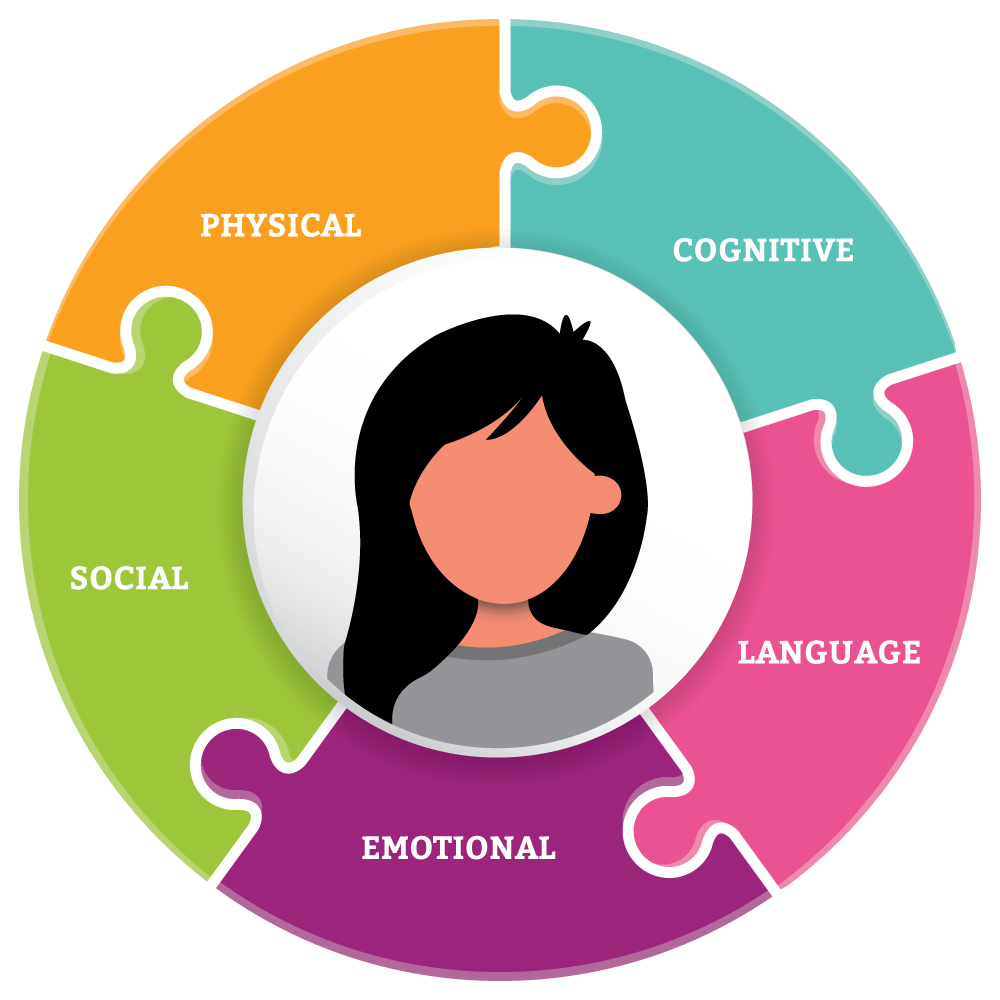
Nature is inseparable from nurture. Both nature and nurture are sources of potential and growth as well as risks of developmental challenges and problematic behaviour. When babies receive consistent, responsive care and attention from nurturing adults, they are able to develop holistically, reaching their full potential. A child’s starting point at birth can be positively moulded and shaped by the quality of the environment through the five domains  – physical, cognitive, social, emotional, and language.

Nature and Nurture

Physical Development

Physical development refers to the growth and skill development of a child’s body, including the brain, muscles, and senses. It involves the senses (taste, touch, sight, smell, hearing, and proprioception — or bodily awareness of one’s orientation in space), gross motor skills (movements involving large muscles such as walking or crawling), and fine motor skills (movements involving small muscles such as holding the feeding bottle).

How to support physical development: 


Infants

  • Engage the baby in tummy time to build neck and upper body strength, holding and grasping items for grip strength.
  • Create safe areas for infants to crawl around and explore. Put toys around them to encourage movement. Every new shape, colour, texture, taste and sound is a learning experience for them. Giving them toys that are stimulating will help them discover their senses.
  • To develop grip strength, offer opportunities for infants to reach and grab for things (e.g. teething rings, sucking toys, and rattles).
  • Play with a ball and roll it back and forth to promote hand-eye coordination.
  • Support infants’ bodies and heads when you hold them.
  • Make eye contact when you talk and play with them.
  • Provide many opportunities to practice and use new skills, such as sitting up on your lap as you support an infant’s neck and back (beginning 4 months).

Toddlers

  • Introduce toddlers to building and stacking toys. This promotes fine motor skills and hand-eye coordination.
  • Give them cause and effect toys with buttons to push, knobs to twist and turn, handles to grasp, or moving parts. Cause and effect toys are interactive toys that require a child to do something to cause a dynamic reaction such as sound, lights, or movement. They teach children that their actions can affect their environment.
  • Provide lots of fun bath toys for dunking, measuring, and pouring. Plastic milk bottles and food containers work just as well as store-bought toys.
  • Give the child opportunities to practice walking, balancing, riding, pedalling, and steering a toy.
  • Model how to safely walk up and down stairs, using the handrail.

Preschoolers

  • Offer opportunities for running and stopping for spatial awareness.
  • Encourage them to get creative. Do arts and crafts projects using playdough and other age-appropriate activities.
  • Draw and write with them. Watch for correct grip, and show them the proper way to hold the pencil or crayon incorrectly. Shorter writing instruments are better for promoting the correct grip. Set up an obstacle course for them to run around. Watch for how well they are able to move around the objects and then start again.
  • Allow them to help with simple household chores.

Cognitive Development

The cognitive domain of development looks at a child’s ability to mentally process information — to think and understand what’s happening around them. From 0 to 2 years, babies are limited to perceiving the world on a purely sensory level. By the time a child reaches 2-6 years, they are beginning to incorporate language into their interactions with others.

How to support cognitive development:


Infants

  • Read books, sing songs, and recite nursery rhymes together. Babies enjoy cloth books with different textures, flaps and puppets. Point out simple shapes and colours as you read to them and allow them to turn the pages of a book.
  • Identify opportunities throughout the day to practice counting. A child’s counting skills start with understanding sequence. At this age, the baby will learn about sequence through their daily routines.

Toddlers

  • Help them identify letters by singing along to the “Alphabet Song,” reading books about the alphabet and playing with alphabet puzzles.
  • Organize toys during cleanup by colour and encourage them to count.
  • Identify shapes and colours when interacting with the child. As they get older, you can ask them to describe objects to you.
  • Have them identify noises that they hear throughout the day (e.g. a car horn, a dog barking, or running water).  This allows them to understand how sounds relate to objects in their everyday environment.
  • Ask questions to help them develop critical thinking and problem skills. This will help children better understand how their environment works.
  • Playing with everyday household items is educational, fun and cost-effective. Encourage them to match various-sized lids to their accompanying containers or have them look in a mirror and point to his nose, mouth, eyes, etc.

Preschoolers

  • When you can, offer them choices. This will help them to feel more independent and learn to make confident decisions that affect their day.
  • Use their daily routines to teach sequencing skills and to help them develop a sense of time.
  • Engage in simple math like simple addition and subtraction in daily routines as well as measuring things.
  • Play simple card games or board games to allow them to intellectually work through a problem to find the answer or a solution. This will increase a child’s confidence and makes them very proud of their discovery.
  • Put puzzles together to provide them with opportunities to hone their problem-solving skills.
  • Engage in imaginary play to help them develop their natural curiosity about the world.

Social Development

As a child develops within the social domain, they learn how to build relationships and read the social cues of others.

How to support social development: 


Infant

  • Babies are born social creatures. Babble to them, play peek-a-boo and encourage responses. Don’t forget to pause so the baby can respond with a smile or a coo!
  • When interacting with them, engage in eye contact to help them associate it with communication. Connecting visually is an important part of meaningful interactions.

Toddler

  • Involve them in your daily activities. This allows you to model how to interact with others in respectful, positive ways.
  • Encourage group play. In the event of a conflict, help children communicate their boundaries using words such as “stop” or “no” when someone is doing something they don’t like.
  • Arrange playdates so that the child can interact with other children. Encourage them to address others by their names.
  • Give children lots of positive reinforcement when they play respectfully with other children.

Preschooler

  • Model cooperation and empathy. Help children develop their confidence by encouraging group activities.
  • Create space and opportunity for unstructured play. Give them words they can use when they want to join a group play activity. For example, “I see you want to play tag with our neighbours. You can go ask to join the game.”
  • Experience and discuss stories together. Taking time to discuss stories is a great way to model turn-taking, listening and respectful communication.

Emotional Development

The emotional domain looks at a child’s abilities related to understanding and regulating their emotions.

How to support emotional development:


Infants

  • Exaggerate your facial expressions and enthusiasm when interacting with infants. Talk to them using different tones of voice and facial expressions, such as a surprised, happy, silly, or sad face. Observe how they react to different expressions and voice tones.
  • Model empathy by talking gently to, and holding them, when they are upset.

Toddlers

  • Offer toddlers specific language to help them identify their emotions as they are happening. Describe how a character in a book or a show is feeling to help them relate. Ask why they think the character feels that way. Demonstrate the emotion through your tone of voice and facial expression.
  • Snuggle with them while looking at photos together. Ask them to tell you what is happening in the picture and to describe what each person is feeling. You may need to help them find the exact words they need.

Preschoolers

  • Encourage conversations around why they feel a certain way. Model mindfulness and self-awareness to show different ways to feel better.
  • If the child is angry or sad, encourage them to talk about why they are feeling this way. Talk about how you make yourself feel better when you are upset. This helps the child know that everyone feels upset sometimes and that there are ways we can make ourselves feel better. For example, you can encourage them to hold a favourite toy, take some deep breaths, or count to 10 when they are upset.
  • Start having conversations with them about how their behaviour can make other people feel happy, sad, or angry. Foster their understanding of emotions by explaining that they can tell how people feel by their facial expressions, tone of voice, or actions. Practice strategies for recognizing emotions with them.

Language Development

The language domain of development focuses on the child’s ability to comprehend and use language to communicate their wants and needs. The development of verbal communication skills can vary between children but by two years, many toddlers are capable of forming simple sentences.

How to support vocabulary and oral language development:


Infant

  • Talk to the child and hold eye contact as you talk with them. Listen and repeat their babblings and give them time to respond. Mutual eye contact helps develop better bonding and establishes an understanding of the norms of communication.
  • Use gestures as you talk to them. With consistency, they will use the same gestures when they talk to you.
  • Read to them like you’re talking to them. Hold eye contact and use hand gestures to help infants understand verbal communication. Allow them to hold the book and explore it. Observe how they hold the book, if they turn the pages, how they look at the pages as they go through the book, etc.
  • Read with expression. Change voices for different characters. Let your tone and volume reflect what’s happening in the story.

Toddlers

  • Encourage them to play and interact with other children. Peer learning promotes language development.
  • Read, sing, repeat! Allow toddlers to repeat their favourite songs and stories to you. As you read with them, ask questions about the story and the characters.
  • Encourage them to scribble and draw pictures. This is how communicating through writing starts. For example, invite them to draw pictures about what happened during their day at school and write notes to family and friends.

Preschoolers

  • When reading a book or watching a movie, engage preschoolers in the storytelling process by pausing to ask them to interpret what’s going on. Ask open-ended questions and have frequent conversations to help build their vocabulary. You can ask comprehension questions about the story, why they think a character did something or what they think will happen next.
  • Encourage them to write notes to loved ones, stories about what happened in their day, shopping lists, or anything that interests them.
  • Play word games with them. For example, give them a word and ask them to give you a word that rhymes with it, or ask them to give words that start with a specific letter.
  • Have them read to you. Ask questions, make comments, and ask for predictions as they read.

How a child is developing in one domain also influences development in other domains. For example, as a child’s language skills improve, they gain an increased understanding of the world around them.

References

Berk, L. (2002). Infants and Children: Prenatal Through Middle Childhood. Boston, MA: Allyn & Bacon.

Bisback, K. & Kopf-Johnson, L. (2007). An Introduction to School-Age Care in Canada. Toronto, ON: Pearson Education Canada Inc.

Blair, C. (2002). School Readiness: Integrating cognition and emotion in a neurobiological conceptualization of children’s functioning at school entry. American Psychologist. 57(2), 111-127. 

Hoffman, K., Cooper, G., Powell, B., & Benton, C. M. (2017). Raising a secure child. Guilford Publications.

Jannati, E. (2022). Developmental Domains in Early Childhood. Cognella Press.

MacNamara, D. (2016). Rest, Play, Grow: Making Sense of Preschoolers (Or Anyone Who Acts Like One). Vancouver, BC: Aona Management. 

Siegel, D. J., & Bryson, P. H. D. T. P. (2012). The whole-brain child. Random House.

Phone

Main:
604-544-1110

Toll-Free Foster Parent Line:
1-800-663-9999

Office hours: 8:30 am - 4:00 pm, Monday to Friday

PROVINCIAL CENTRALIZED SCREENING

Foster parents are encouraged to call this number in the event of an EMERGENCY or CRISIS occurring after regular office hours:

1-800-663-9122

REPORT CHILD ABUSE

If you think a child or youth under 19 years of age is being abused or neglected, you have the legal duty to report your concern to a child welfare worker. Phone 1-800-663-9122 at any time of the day or night. Visit the Government of BC website for more info.

address

BCFPA Provincial Office
Suite 208 - 20641 Logan Avenue
Langley, BC V3A 7R3

Email

contact us

Fill out our contact form...

Contact Us

Contact Us

We would like to hear from you. Please send us a message by filling out the form below and we will get back with you shortly.

Sending

Our work takes place on the traditional and unceded Coast Salish territories of the Kwantlen, Katzie, Matsqui and Semiahmoo First Nations. BCFPA is committed to reconciliation with all Indigenous communities, and creating a space where we listen, learn and grow together.

© 2021 BC Foster Parents. Site design by Mighty Sparrow Design.

Indian Act

Indian Act

Indian Act

The Indian Act is the primary law through which the federal government administers Indian status, local First Nations governments and the management of reserve land. It gives the government sweeping powers to control most aspects of Indigenous peoples’ life: Indian status, land, resources, education, and political structures. 

The Indian Act pertains to people with Indian status and does not apply to Métis, Inuit, and non-status First Nations peoples. A person who is Status meets the definition of an Indian under the Indian Act and has certain rights and restrictions. The rights include:

the granting of reserves and the rights associated with them

an extended hunting season

a less restricted right to bear arms

some medical coverage

more freedom in the management of gaming and tobacco

It is important to note that “Indian” is a legal word that many Indigenous peoples are not comfortable using to describe themselves. The earlier versions of the Indian Act evidently aimed to assimilate First Nations. It also made enfranchisement legally compulsory. People who earned a university degree would automatically lose their Indian status, as would status women who married non-status men. Women also lost their status if their husbands died or abandoned them in which case they lose the right to live on reserve land and have access to band resources. Some traditional cultural practices were also prohibited. These discriminatory policies have had lasting negative impacts on generations of Indigenous peoples. The Indian Act is still in force today and is administered by Indigenous Services Canada. Despite amendments, the Indian Act continues to be heavily criticized. 

Indian Act Timeline

1876

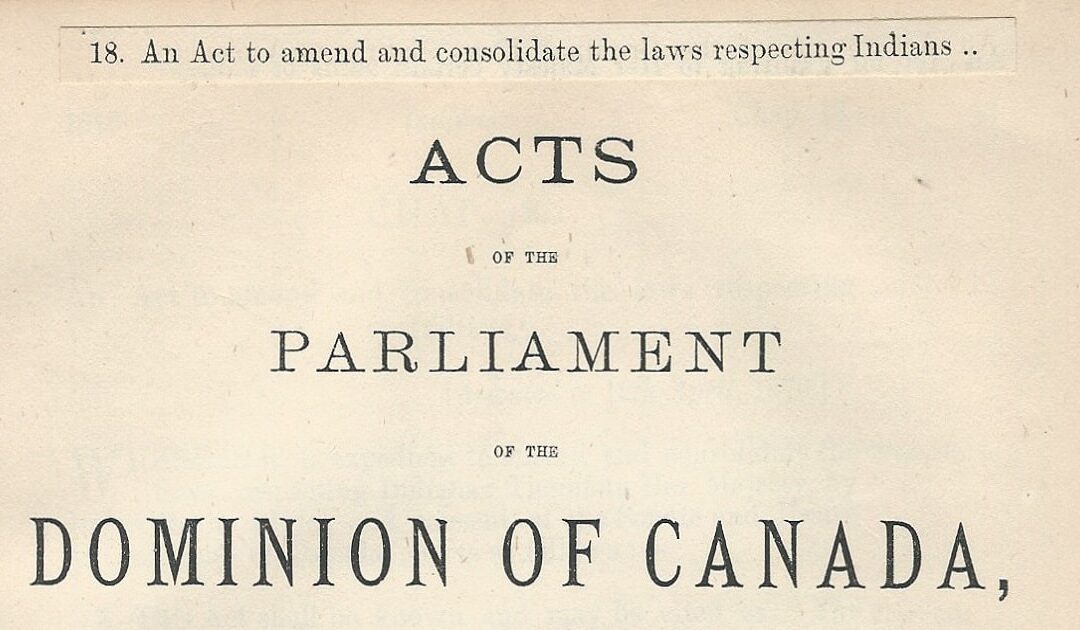
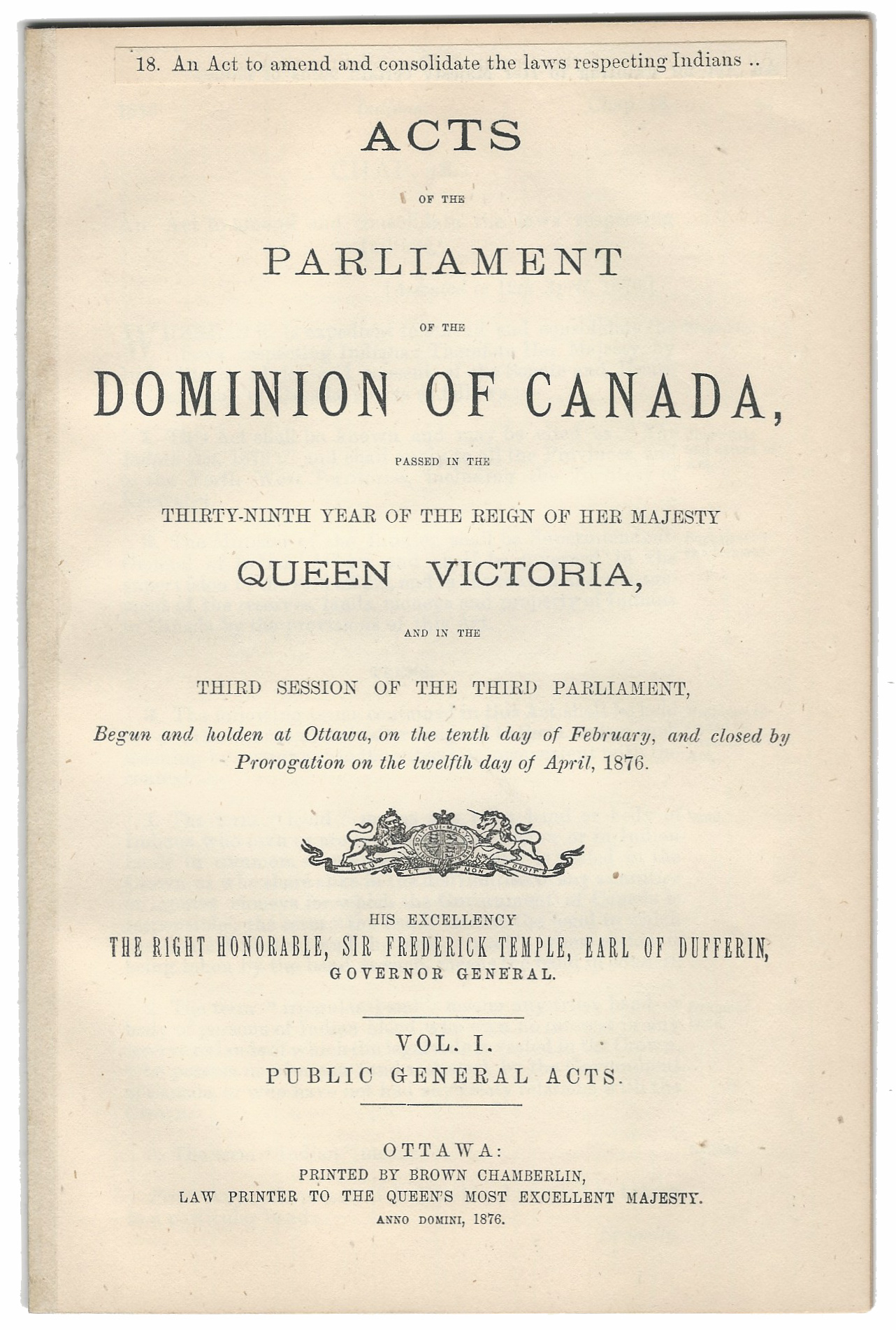
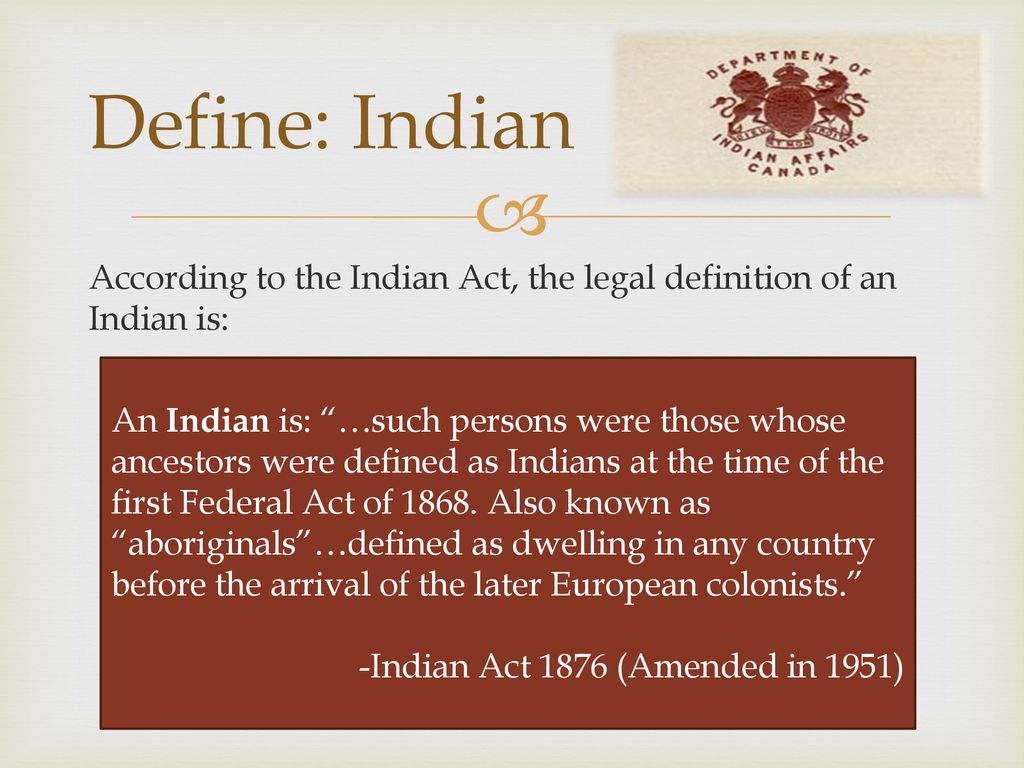
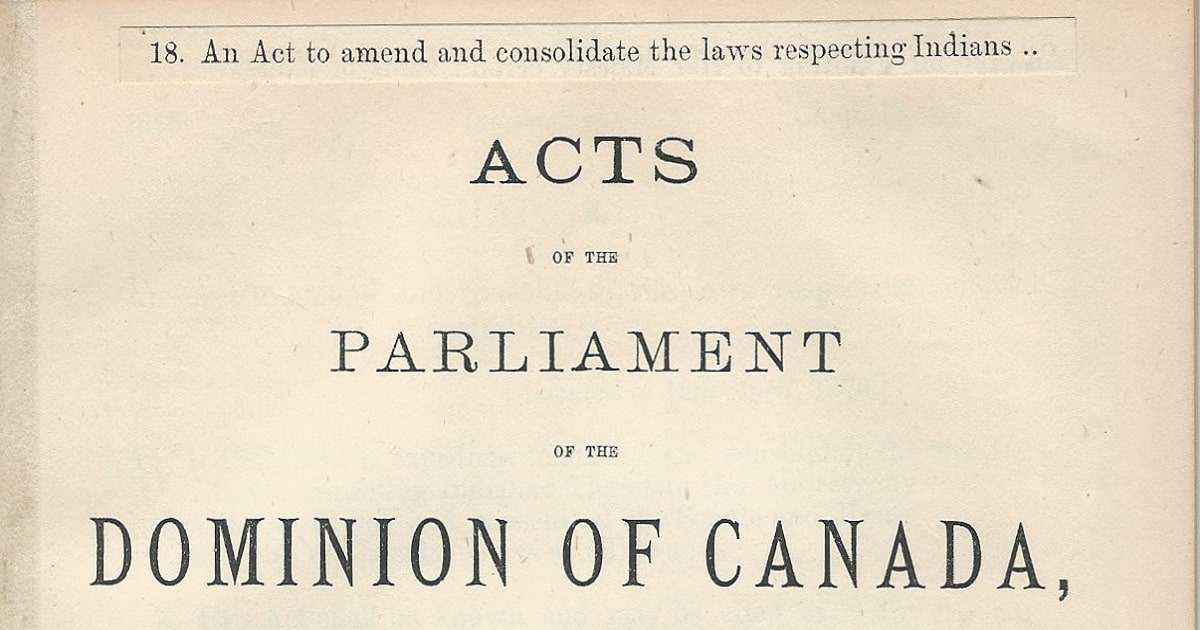
The Indian Act is created. Any existing Indigenous self-government structures are extinguished. It replaced traditional structures of governance with band council elections. Hereditary chiefs — leaders who acquire power through descent rather than an election — are not recognized by the Indian Act.

An Indian is defined as “any male person of Indian blood” and their children. Provisions include: status women who marry non-status men lose status; non-status women who marry status men gain status and anyone with status who earns a degree or becomes a doctor, lawyer or clergyman is also enfranchised.

Indian Act Canada
Aboriginal farm Canada

1880

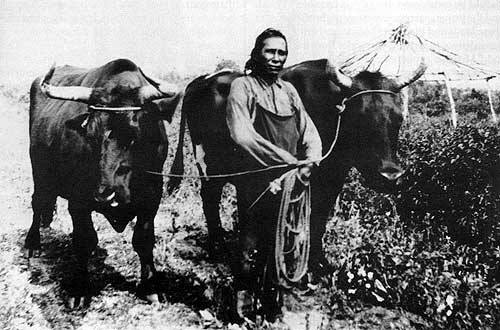
Indigenous farmers are expected to have a permit to sell goods such as cattle, grain, hay or produce. They must also have a permit to buy groceries and clothes.

1884

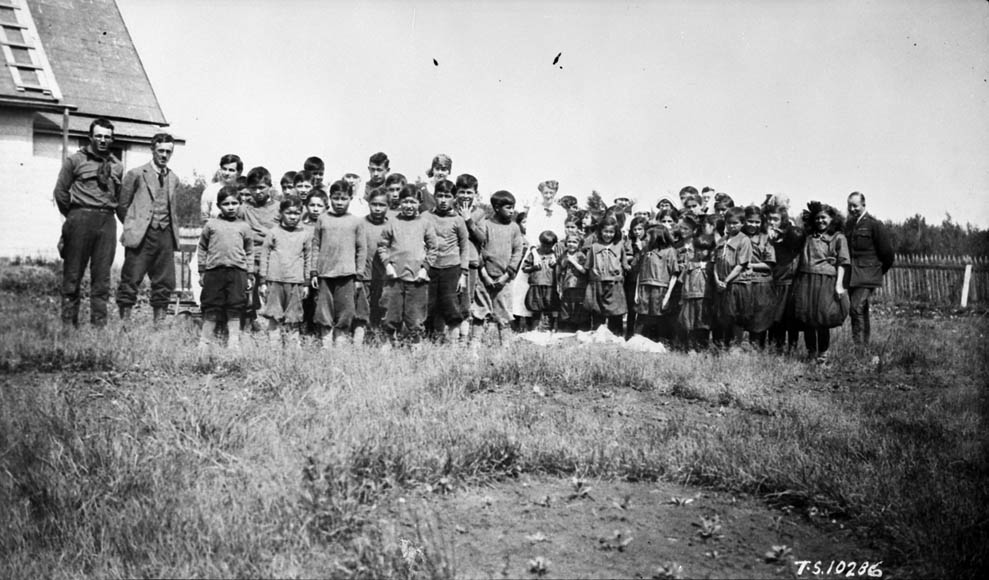
Attendance in residential schools becomes mandatory for status Indians until they turn 16. Children are forcibly removed and separated from their families and are not allowed to practice their culture or speak their own language. The sale of alcohol is also prohibited.

Dr. Adolphus Egerton Ryerson
potlatch ban

1885

Through an amendment to the Indian Act, Indigenous peoples are prohibited from conducting their traditional Indian ceremonies such as the potlatch, ghost dance, and sun dance. A pass system is also created and Indigenous peoples are restricted from leaving their reserve without permission.

1886

The definition of Indian is expanded to include “any person who is reputed to belong to a particular band or who follows the Indian mode of life, or any child of such person.” Voluntary enfranchisement is allowed for anyone who is “of good moral character” and “temperate in his or her habits”.

Define: Indian
Indigenous Cultural Safety

1914

An amendment prohibits dancing off-reserve. First Nations peoples are also required to ask for permission before wearing any traditional and ceremonial clothing at public events.

1918

The government gives itself the power to take reserve land from bands without their consent. They could also lease out land to settlers without the band’s agreement.

Indian Agents in Canada
1927 Indian act

1927

Status Indians are barred from seeking legal advice, fundraising, or meeting in groups.

1951

Amendments to the Indian Act remove some of the most offensive political, cultural and religious restrictions. Political organizing and cultural activities are allowed.

1951 indian act
voting rights indian act

1960

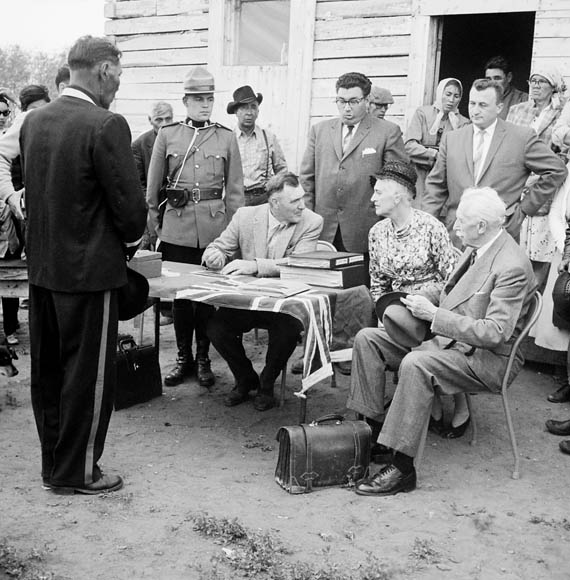
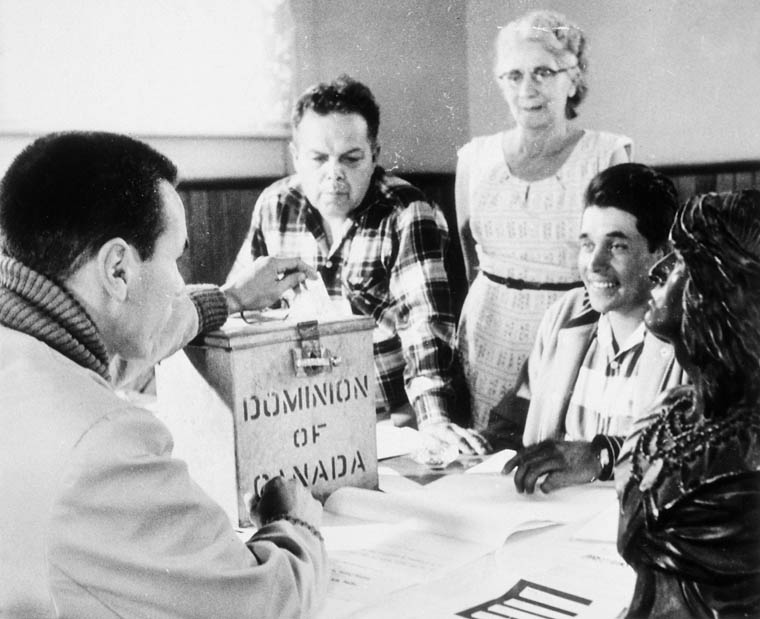
First Nations peoples are finally allowed to vote in federal elections. They could now vote without losing their status.

1961

Compulsory enfranchisement is removed.

cultural enfranchisement
Bill C-31

1985

Bill C-31 was passed, amending the Indian Act to align with gender equality under the Canadian Charter of Rights and Freedoms. This addresses gender discrimination in the Indian Act and restores Indian status to those who had been enfranchised against their will. The amendment also allows First Nations to control their own membership as a step toward self-government.

1996

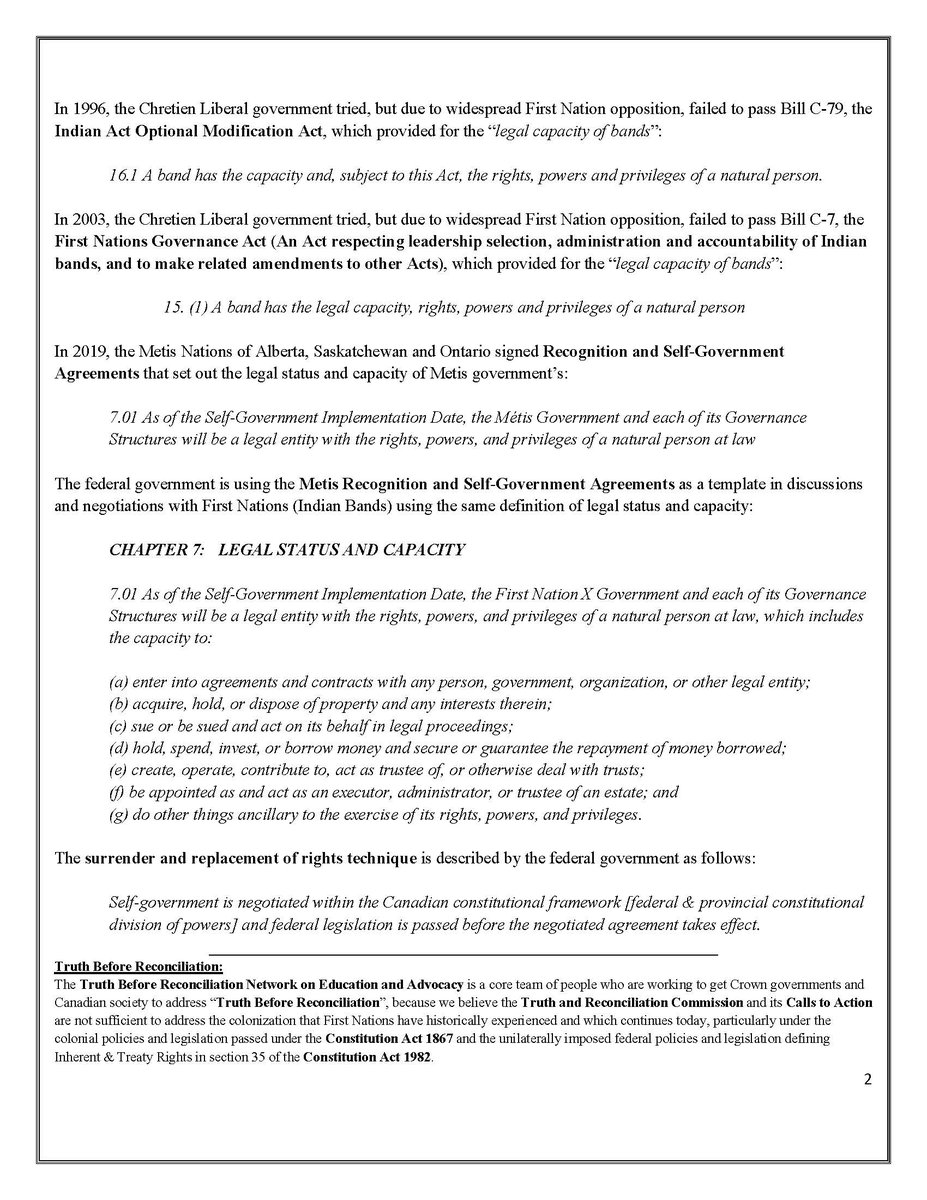
The federal government proposed Bill C-79 to amend areas of the Act including band governance and the regulation of reserves. The majority of First Nations were opposed to Bill C-79 because they were not consulted. Bill C-79 failed to become law.

Bill C-79
Senator Nick Sibbeston Bill C-7

2002

Bill C-7, also known as the First Nations Governance Act, sought to give band councils more power in terms of governance but it ultimately failed.

2010

The federal government announced its intent to work with Indigenous peoples to remove part of the Indian Act that gives the authority to create residential schools and remove children from their homes.

Ottawa parliament
Sharon Mcivor

2011

Bill C-3, also known as the Gender Equity in Indian Registration Act, was passed. It was a response to Sharon McIvor’s gender discrimination case against the government. Sharon gained her status when Bill C-31 was passed. However, she was not able to pass on those rights to her descendants in the same way that a man with status could. Bill C-3 grants status to grandchildren of women who regained status in 1985. However, the descendants of women, specifically in terms of great-grandchildren, did not have the same entitlements as descendants of men in similar circumstances. Therefore, Bill C-3 still denied status rights to some individuals because of gender discrimination.

Learn more about The Indian Act and listen to this episode of The Secret Life of Canada, hosted and written by Falen Johnson and Leah Simone Bowen.

References

Gray Smith, M. (2017). Speaking Our Truth: A Journey of Reconciliation. Orca Book Publishers. 

Joseph, B. (2018). 21 Things You May Not Know About the Indian Act: Helping Canadians Make Reconciliation with Indigenous Peoples a Reality. Indigenous Relations Press.

The Indian Act. (n.d.). Welcome to Indigenous Foundations. https://indigenousfoundations.arts.ubc.ca/the_indian_act/

Indian status. (n.d.). Welcome to Indigenous Foundations. https://indigenousfoundations.arts.ubc.ca/indian_status/

Phone

Main:
604-544-1110

Toll-Free Foster Parent Line:
1-800-663-9999

Office hours: 8:30 am - 4:00 pm, Monday to Friday

PROVINCIAL CENTRALIZED SCREENING

Foster parents are encouraged to call this number in the event of an EMERGENCY or CRISIS occurring after regular office hours:

1-800-663-9122

REPORT CHILD ABUSE

If you think a child or youth under 19 years of age is being abused or neglected, you have the legal duty to report your concern to a child welfare worker. Phone 1-800-663-9122 at any time of the day or night. Visit the Government of BC website for more info.

address

BCFPA Provincial Office
Suite 208 - 20641 Logan Avenue
Langley, BC V3A 7R3

Email

contact us

Fill out our contact form...

Contact Us

Contact Us

We would like to hear from you. Please send us a message by filling out the form below and we will get back with you shortly.

Sending

Our work takes place on the traditional and unceded Coast Salish territories of the Kwantlen, Katzie, Matsqui and Semiahmoo First Nations. BCFPA is committed to reconciliation with all Indigenous communities, and creating a space where we listen, learn and grow together.

© 2021 BC Foster Parents. Site design by Mighty Sparrow Design.