
Cost of Living Survey for Foster Families

Cost of Living Survey for Foster Families

Last month, Statistics Canada reported that Canada’s inflation rate (5.7%) is at its highest since August of 1991. As the price of everything from gas to groceries continue to rise, BCFPA would like to know how the swift rise in consumer costs is impacting foster families.
 
We will be sharing the summary data with the Ministry of Children and Family Development to advocate for more financial support for foster families. Your responses will help us understand the supports that you as caregivers need to provide for children and youth.
 
Participation in this survey is optional. The survey will be closed on April 25, 2022.
 
All responses will be completely anonymous and confidential.

Phone

Main:
604-544-1110

Toll-Free Foster Parent Line:
1-800-663-9999

Office hours: 8:30 am - 4:00 pm, Monday to Friday

PROVINCIAL CENTRALIZED SCREENING

Foster parents are encouraged to call this number in the event of an EMERGENCY or CRISIS occurring after regular office hours:

1-800-663-9122

REPORT CHILD ABUSE

If you think a child or youth under 19 years of age is being abused or neglected, you have the legal duty to report your concern to a child welfare worker. Phone 1-800-663-9122 at any time of the day or night. Visit the Government of BC website for more info.

address

BCFPA Provincial Office
Suite 208 - 20641 Logan Avenue
Langley, BC V3A 7R3

Email

contact us

Fill out our contact form...

Contact Us

Contact Us

We would like to hear from you. Please send us a message by filling out the form below and we will get back with you shortly.

Sending

Our work takes place on the traditional and unceded Coast Salish territories of the Kwantlen, Katzie, Matsqui and Semiahmoo First Nations. BCFPA is committed to reconciliation with all Indigenous communities, and creating a space where we listen, learn and grow together.

© 2021 BC Foster Parents. Site design by Mighty Sparrow Design.

Early Years Resources

Early Years Resources

About the Project

The purpose of the Early Years Resources webpage is to strengthen the capacity of foster caregivers to better support the mental, emotional and social development of children under the age of six. It is important that foster parents understand the importance of early childhood development and their pivotal role in supporting children and families during this critical stage. This project is aligned with the Ministry of Children and Family Development’s commitment under the ‘A Pathway to Hope’ Mental Health Strategy whose cornerstone is child and youth mental health.

The Early Years Resources page is designed to be a one-stop resource for foster caregivers or anyone in a parenting role looking for information relating to early childhood development, mental health and neurodevelopmental challenges, and Indigenous cultural safety resources. The resource page is split into three sections: (1) Why the Early Years Matter, (2) Mental Health and Neurodevelopment Challenges, and (3) Indigenous Cultural Safety Resources. The format is intentionally bite-sized–with easily accessible and digestible content–so that users can pick and choose the topics that they are interested in, meeting the needs of busy foster caregivers. The language is also simple and easy to understand with no technical terms that may make it difficult to understand. Foster caregivers will also find several interactive tools which include a free mobile microlearning course, animated videos, quizzes, and downloadable tip sheets and worksheets. While the intended audience is foster caregivers across the province of British Columbia, the resource page is also helpful for those who work with children under the age of six.

The Early Years Resources page will be updated on an ongoing basis, depending on resource updates, and new scientific research and evidence-based practices. The inclusion of resources is not an endorsement; it is up to each individual learner to determine which resource works best for them. If you know of a great resource we should include in the Early Years Resources page, please email us at office@bcfosterparents.ca.

Healthy development in the early years provides the building blocks for lifelong health and wellbeing. Early intervention works. Intervention is likely to be more effective when it is provided earlier in life rather than later. The connections in a baby’s brain are most adaptable in the first six years of life. Over time, these connections become harder to change or repair. Early intervention supports and services can change a child’s developmental path and improve outcomes for children, families, and communities. Acting early gives a child the chance to receive appropriate supports and services, giving them the best chance for a positive future.

Phone

Main:
604-544-1110

Toll-Free Foster Parent Line:
1-800-663-9999

Office hours: 8:30 am - 4:00 pm, Monday to Friday

PROVINCIAL CENTRALIZED SCREENING

Foster parents are encouraged to call this number in the event of an EMERGENCY or CRISIS occurring after regular office hours:

1-800-663-9122

REPORT CHILD ABUSE

If you think a child or youth under 19 years of age is being abused or neglected, you have the legal duty to report your concern to a child welfare worker. Phone 1-800-663-9122 at any time of the day or night. Visit the Government of BC website for more info.

address

BCFPA Provincial Office
Suite 208 - 20641 Logan Avenue
Langley, BC V3A 7R3

Email

contact us

Fill out our contact form...

Contact Us

Contact Us

We would like to hear from you. Please send us a message by filling out the form below and we will get back with you shortly.

Sending

Our work takes place on the traditional and unceded Coast Salish territories of the Kwantlen, Katzie, Matsqui and Semiahmoo First Nations. BCFPA is committed to reconciliation with all Indigenous communities, and creating a space where we listen, learn and grow together.

© 2021 BC Foster Parents. Site design by Mighty Sparrow Design.

FREE Mobile Microlearning Course through EdApp

FREE Mobile Microlearning Course through EdApp

Take our free mobile microlearning course through EdApp!

This course was developed as part of our Early Years Resources project whose goal is to strengthen the capacity of foster caregivers to better support the mental, emotional and social development of children under the age of six. It is important that foster parents understand the importance of early childhood development and their pivotal role in supporting children and families during this critical stage. This project is aligned with the Ministry of Children and Family Development’s commitment under the ‘A Pathway to Hope’ Mental Health Strategy whose cornerstone is child and youth mental health.

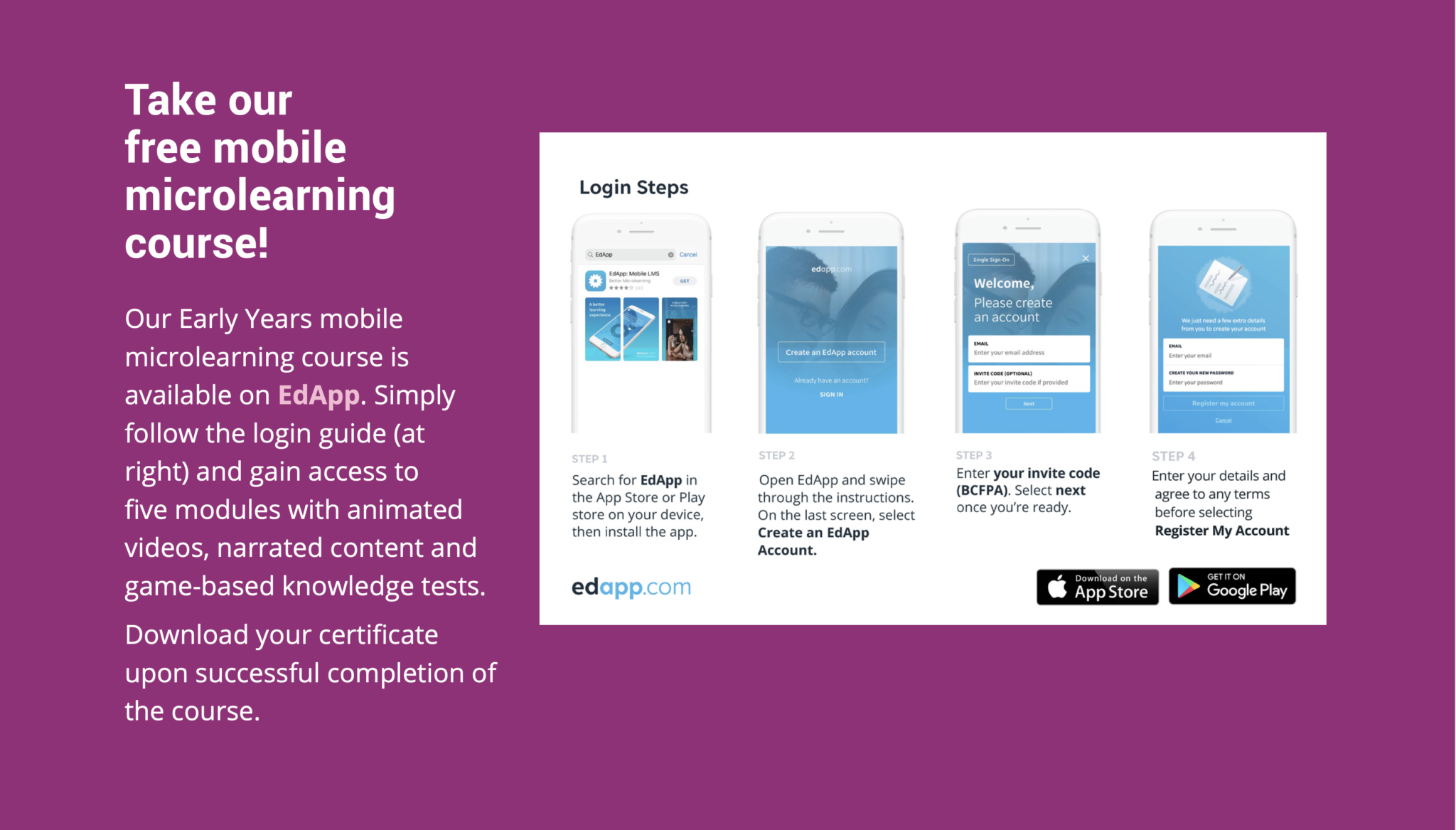
Simply follow the login guide below and gain access to five modules with animated videos, narrated content and game-based knowledge tests.
 
Download your certificate upon successful completion of the course.
 
Time commitment: 2 hours

Phone

Main:
604-544-1110

Toll-Free Foster Parent Line:
1-800-663-9999

Office hours: 8:30 am - 4:00 pm, Monday to Friday

PROVINCIAL CENTRALIZED SCREENING

Foster parents are encouraged to call this number in the event of an EMERGENCY or CRISIS occurring after regular office hours:

1-800-663-9122

REPORT CHILD ABUSE

If you think a child or youth under 19 years of age is being abused or neglected, you have the legal duty to report your concern to a child welfare worker. Phone 1-800-663-9122 at any time of the day or night. Visit the Government of BC website for more info.

address

BCFPA Provincial Office
Suite 208 - 20641 Logan Avenue
Langley, BC V3A 7R3

Email

contact us

Fill out our contact form...

Contact Us

Contact Us

We would like to hear from you. Please send us a message by filling out the form below and we will get back with you shortly.

Sending

Our work takes place on the traditional and unceded Coast Salish territories of the Kwantlen, Katzie, Matsqui and Semiahmoo First Nations. BCFPA is committed to reconciliation with all Indigenous communities, and creating a space where we listen, learn and grow together.

© 2021 BC Foster Parents. Site design by Mighty Sparrow Design.
New BC Foster Basics Videos Uploaded

New BC Foster Basics Videos Uploaded

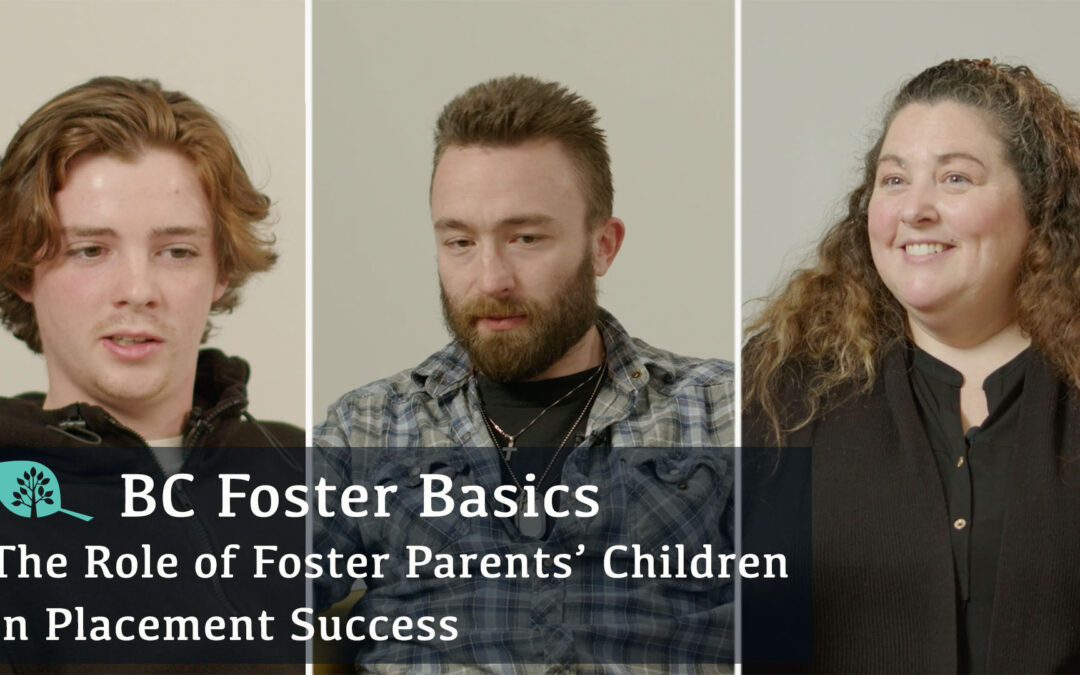
The Role of Foster Parents’ Children in Placement Success


Permanency Planning and An Act Respecting First Nations, Inuit and Métis Children, Youth and Families


PRIDE Practice and Teamwork


Tips and Tricks for Social Workers who Work with Foster Parents


Budget 2022 supports stronger transitions for all youth aging out of care

Budget 2022 supports stronger transitions for all youth aging out of care

Watch the video announcement with Mitzi Dean, Minister of Children and Family Development, and advocates from the Federation of BC Youth in Care Networks, the National Council of Youth in Care Advocates, and the Youth Advisory Council.

​Under Budget 2022, the Ministry of Children and Family Development is creating a co-ordinated suite of services and benefits to support young adults from care. The new system will be developed and implemented during the next three years, beginning immediately with an ongoing extension to temporary housing supports to allow young people to continue to stay in their home past the age of 19 and until their 21st birthday.

2022

  • Beginning April 1, 2022, there will be an indefinite extension to temporary housing supports to allow young adults to continue to stay in their home past the age of 19 and up to their 21st birthday, including Temporary Housing Agreements and Temporary Support Agreements. Housing options will be provided by maintaining the current COVID-19 temporary emergency housing measures up to a young adult’s 21st birthday, allowing young adults to stay where they are living or transition to independence when they are ready. No age cap has been placed on these measures to provide stability to young adults through the COVID-19 public health emergency.
  • The ministry will also maintain flexibility for the Agreements with Young Adults (AYA) life-skills, rehabilitative and mental health program options to support low-barrier access for eligible young adults.
    • Young adults on AYA may continue to:
      • have flexible access to funding while attending life-skills, mental health, and rehabilitation programs;
      • take programs online, in-person, or take a combination of life-skills programs that focus on the areas that are important to them – including cultural connections; and
      • participate in mental health/rehabilitation programs. Hourly requirements for mental health/rehabilitation programming are indefinitely reduced to five hours per week.
  • An earnings exemption will be introduced to encourage young adults to pursue employment knowing there will not be a reduction in their financial benefits.
  • Young adults will be provided with rent supplements up to $600 per month on top of other income supports to help them secure safe, stable housing.
  • New transition workers will be introduced within the ministry and in Delegated Aboriginal Agencies to support early and ongoing transition planning, beginning at age 14, and help young people from care to navigate the new and existing government services until their 25th birthday.

2023

  • Funding will be available to support young people in accessing life-skills, cultural, and skills training programs, and enhanced dental and medical benefits, including counselling.
  • Young people from care will receive with one year of financial support ($1,250 per month) until their 20th birthday, regardless of whether they are participating in programs.

2024

  • Enhanced supports will be provided until the age of 27 – including an expansion to program eligibility, an unconditional income supplement of $1,250  until age 20, and monthly funding of up to $1,250 up to age 27 for those participating in eligible programming, inclusive of 84 months of program support (from 48 months).

Resources for Youth and Young Adults:

  • Youth and young adults should speak with their MCFD or DAA worker for more information.
  • Youth and young adults can call Provincial Centralized Screening 24/7 at 1-800-663-9122 to connect with a social worker.
  • Youth and young adults can also contact the Representative for Children and Youth (RCY) at 1-800-476-3933 for support.
  • Youth and young adults can also be directed here.
  • A Guide to Rights for Young People in Care.
  • To make a complaint or share a concern about an experience you have had with the ministry regarding services received, call 1-877-387-7027 or visit this page.

Phone

Main:
604-544-1110

Toll-Free Foster Parent Line:
1-800-663-9999

Office hours: 8:30 am - 4:00 pm, Monday to Friday

PROVINCIAL CENTRALIZED SCREENING

Foster parents are encouraged to call this number in the event of an EMERGENCY or CRISIS occurring after regular office hours:

1-800-663-9122

REPORT CHILD ABUSE

If you think a child or youth under 19 years of age is being abused or neglected, you have the legal duty to report your concern to a child welfare worker. Phone 1-800-663-9122 at any time of the day or night. Visit the Government of BC website for more info.

address

BCFPA Provincial Office
Suite 208 - 20641 Logan Avenue
Langley, BC V3A 7R3

Email

contact us

Fill out our contact form...

Contact Us

Contact Us

We would like to hear from you. Please send us a message by filling out the form below and we will get back with you shortly.

Sending

Our work takes place on the traditional and unceded Coast Salish territories of the Kwantlen, Katzie, Matsqui and Semiahmoo First Nations. BCFPA is committed to reconciliation with all Indigenous communities, and creating a space where we listen, learn and grow together.

© 2021 BC Foster Parents. Site design by Mighty Sparrow Design.