Bipolar Disorder

Bipolar Disorder

Bipolar Disorder

What is it?

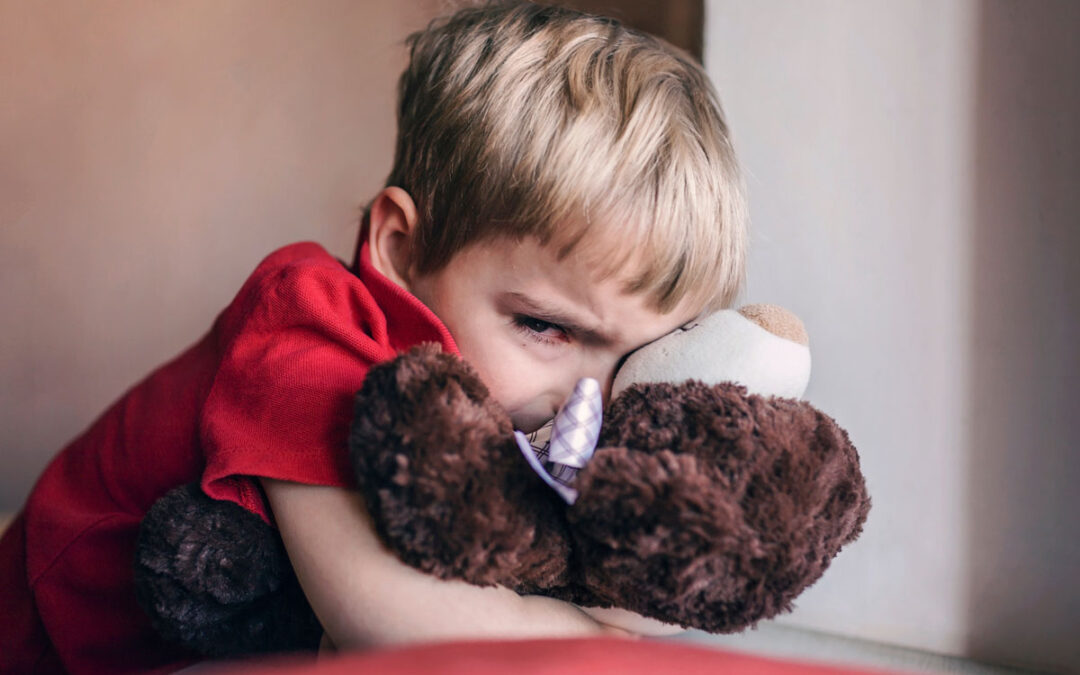
Bipolar disorder is a chronic mental health condition that causes people to experience extreme, changes in mood and behaviour, from mania to depression. It is called “bipolar” because of the two “poles” of mood, where the mood shifts are extreme, often unprovoked. 

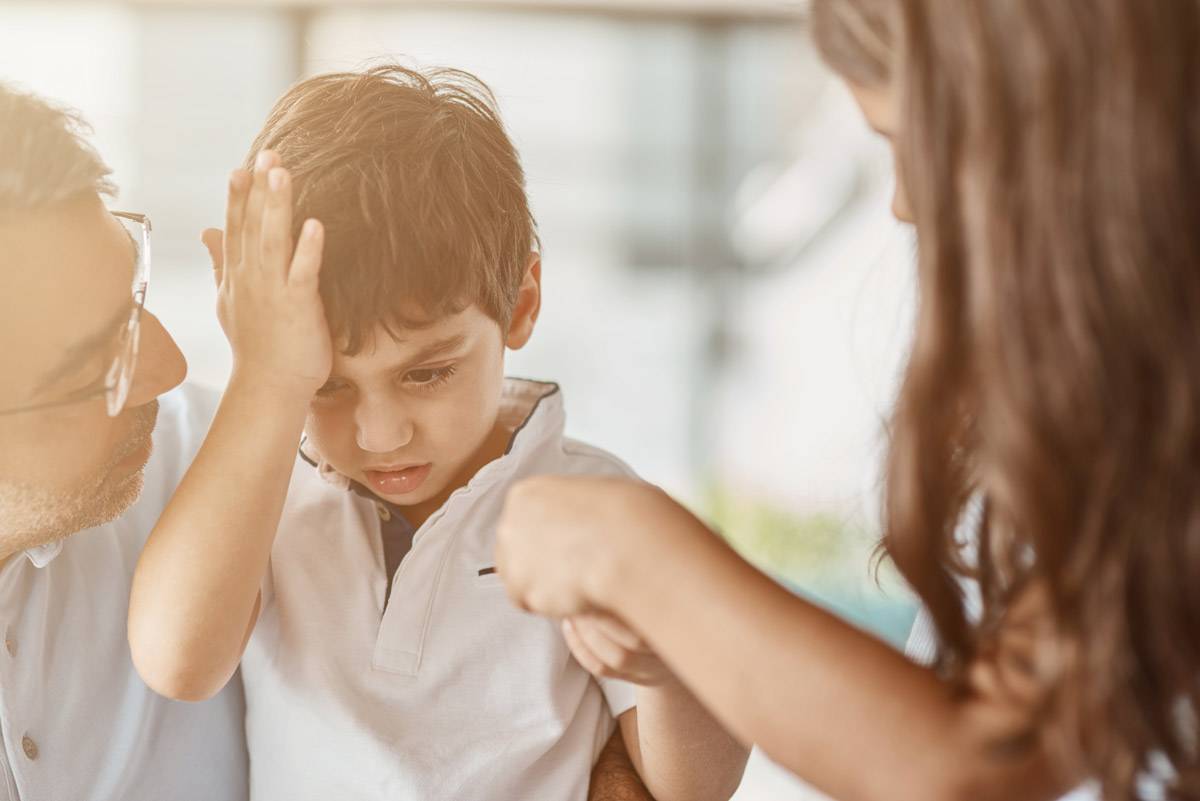
A child who has bipolar disorder experiences both manic phases (periods of abnormally high energy and activity) and depressive phases (periods of intense sadness, tiredness, or irritability) that last days or even weeks. These periods are known as mood episodes. Sometimes, a child will experience manic and depressive symptoms at the same time. This is called a mixed mood episode.

What can be done? 

There is no complete cure for bipolar disorder but with early diagnosis and multidimensional treatment, it can generally be controlled, allowing children to return to more normal functioning. 

Psychotherapy

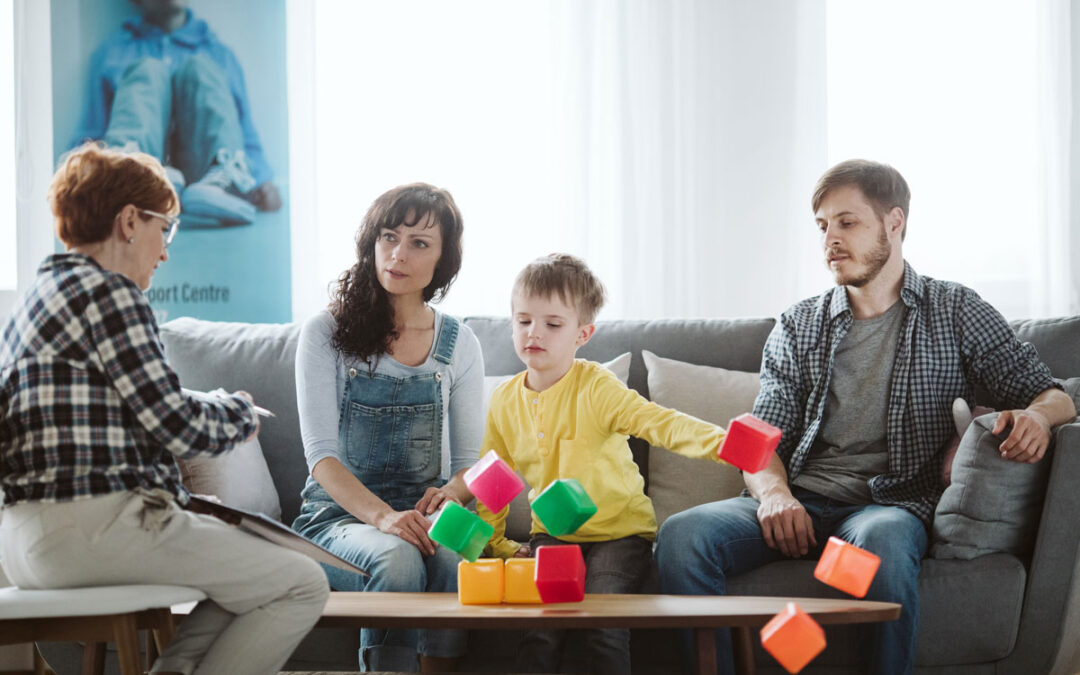
Psychotherapy refers to a wide range of techniques and methods used to help children who are experiencing difficulties with their emotions or behaviour. Different types of therapies can help children and their families manage symptoms of bipolar disorder. Family-focused therapy and skill-building and cognitive behavioural approaches, as well as dialectical behaviour therapy (DBT), are evidence-based approaches and supports that can be effective in managing bipolar disorder. 

Medications

There are medications that are effective at managing bipolar disorder. Doctors typically prescribe one or more of the following classes of medications to treat bipolar disorder in children and teens:

  • mood stabilizers
  • anticonvulsant medications
  • atypical antipsychotics
  • antidepressants

Most children with bipolar disorder need to take medications for a long time, starting with low doses and then increasing gradually as needed. Because the symptoms of bipolar disorder are quite complex, it is not unusual to need more than one medication to manage them. School support is essential in treating children with mental health challenges. It is important for the school to have information about the child’s medications.

What makes some children more vulnerable to bipolar disorder? 

Genetic factors: family history of mental health challenges and brain-based disorders 

Environmental factors such as adverse childhood experiences or toxic stress during childhood

Brain chemistry/development factors: Both genetic and environmental risk factors can alter brain chemistry and development. Scientists believe that the brains of children with bipolar disorder grow and develop differently than those of other children.

Where can I access support?

Talk to the child’s family doctor or pediatrician to help identify if the child’s behaviour is normal for their developmental stage. 

Talk to the child’s guardianship worker to explore what options are available for assessment so their diagnosis and treatment plan can be included in their Care Plan. The guardianship worker will help make appropriate referrals for specialized supports and services that may include working with a counsellor that would be a good fit for the child. 

 Get an assessment through your local Child and Youth Mental Health team. Your local CYMH office offers a range of free and voluntary mental health services and supports for children from 0-18 years of age and their families. These services include assessments, therapy and treatment, education and referrals to specialized programs and resources. There are 100 intake clinics for children, youth and their families at convenient locations throughout BC. 

You can also contact a private psychologist or counsellor through the BC Association of Clinical Counsellors or the BC Psychological Association. You can use website filters to search for a counsellor in your community that specializes in certain mental health challenges.
Phone

Main:
604-544-1110

Toll-Free Foster Parent Line:
1-800-663-9999

Office hours: 8:30 am - 4:00 pm, Monday to Friday

PROVINCIAL CENTRALIZED SCREENING

Foster parents are encouraged to call this number in the event of an EMERGENCY or CRISIS occurring after regular office hours:

1-800-663-9122

REPORT CHILD ABUSE

If you think a child or youth under 19 years of age is being abused or neglected, you have the legal duty to report your concern to a child welfare worker. Phone 1-800-663-9122 at any time of the day or night. Visit the Government of BC website for more info.

address

BCFPA Provincial Office
Suite 208 - 20641 Logan Avenue
Langley, BC V3A 7R3

Email

contact us

Fill out our contact form...
Contact Us

Contact Us

We would like to hear from you. Please send us a message by filling out the form below and we will get back with you shortly.

Sending

Our work takes place on the traditional and unceded Coast Salish territories of the Kwantlen, Katzie, Matsqui and Semiahmoo First Nations. BCFPA is committed to reconciliation with all Indigenous communities, and creating a space where we listen, learn and grow together.

© 2021 BC Foster Parents. Site design by Mighty Sparrow Design.

Federal Indigenous Child Welfare Legislation

Federal Indigenous Child Welfare Legislation

Federal Indigenous Child Welfare Legislation

An Act respecting First Nations, Inuit and Métis Children, Youth and Families

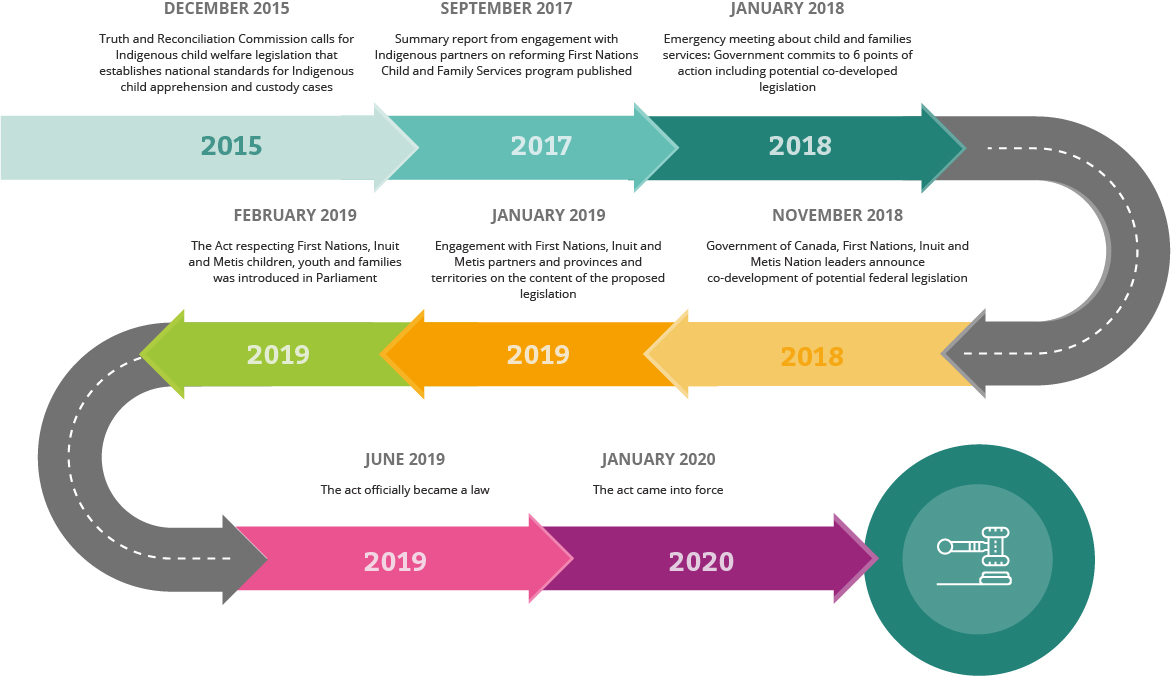
What steps did it take to develop the legislation? When did it go into effect?

bill C-92 - timeline

What is the purpose of the legislation?

With the legislation, the Federal government intends to address the overrepresentation of Indigenous children and youth in the child welfare system.

The Federal Act sets out:

  • New principles that need to be applied when working with Indigenous children, youth and families.
  • New standards that need to be met when delivering services to Indigenous children, youth and families. The standards provide direction in decision-making for workers and courts in areas such as placements decisions, the provision of prevention services, and providing notice to families and communities.
  • Affirming Indigenous Peoples’ inherent right to jurisdiction under the Federal Act.

The new principles guide the interpretation and administration of the Federal Act, and contribute to implementing the United Nations Declaration on the Rights of Indigenous Peoples (UNDRIP):

  • best interests of the child
  • cultural continuity
  • substantive equality

What changes come with the legislation?

The legislation reforms the way child welfare services are delivered to Indigenous children, youth and families. We are moving from a model where only provincial/territorial laws have typically been applied to one in which the laws of multiple jurisdictions apply: this includes different Indigenous laws along with provincial/territorial laws (Child, Family and Community Service Act or CFCSA in British Columbia).

As the legislation affirms the inherent right of Indigenous peoples to exercise jurisdiction over child and family services, it provides an opportunity for Indigenous peoples to choose and implement their own solutions for their children and families and emphasizes the need to shift from removal to prevention. Indigenous communities will be free to develop policies and laws in the provision of child and family services based on their particular histories, cultures, and circumstances.

What is the primary consideration in the case of decisions or actions related to child apprehension?

With the legislation, the Federal government intends to address the overrepresentation of Indigenous children and youth in the child welfare system. The best interests of the child must be the paramount consideration. Primary consideration must be given to the following:

  • the child’s physical, emotional and psychological safety, security and well-being
  • the importance of the child having an ongoing relationship with their family and Indigenous community
  • the importance of the child belonging to their Indigenous community and learning about and practicing their Indigenous traditions, customs and language
BC Foster Parents - Bill-C92

How is the ‘best interest’ of an Indigenous child determined?

To determine the best interests of an Indigenous child, all factors related to the circumstances of the child must be considered, including:

  • the child’s cultural, linguistic, religious and spiritual upbringing and heritage;
  • the child’s needs, given the child’s age and stage of development, such as the child’s need for stability;
  • the nature and strength of the child’s relationship with his or her parent, the care provider and any member of his or her family who plays an important role in his or her life;
  • the importance to the child of preserving the child’s cultural identity and connections to the language and territory of the Indigenous group, community or people to which the child belongs;
  • the child’s views and preferences, giving due weight to the child’s age and maturity, unless they cannot be ascertained;
  • any plans for the child’s care, including care in accordance with the customs or traditions of the Indigenous group, community or people to which the child belongs;
  • any family violence and its impact on the child, including whether the child is directly or indirectly exposed to the family violence as well as the physical, emotional and psychological harm or risk of harm to the child; and
  • any civil or criminal proceeding, order, condition, or measure that is relevant to the safety, security and well-being of the child.

What happens if there is a conflict between the laws?

If there is a conflict or inconsistency, the provision that is in the law of the Indigenous group, community or people prevails to the extent of the conflict or inconsistency.

Where there is a coordination agreement in place between the Indigenous community, federal government and provincial government, or where a reasonable attempt had been made to develop a coordination agreement, the Indigenous law will prevail in the event of an inconsistency of conflict.

What happens if the conflict is between two Indigenous laws?

The provision that is in the law of the Indigenous group, community or people with which the child has stronger ties prevails to the extent of the conflict or inconsistency. The child’s habitual residence as well as their views and preferences, their age and maturity, unless they cannot be determined, and the views and preferences of their parent(s) and the care provider will all be taken into consideration.

How does the legislation impact placement decisions relating to Indigenous children?

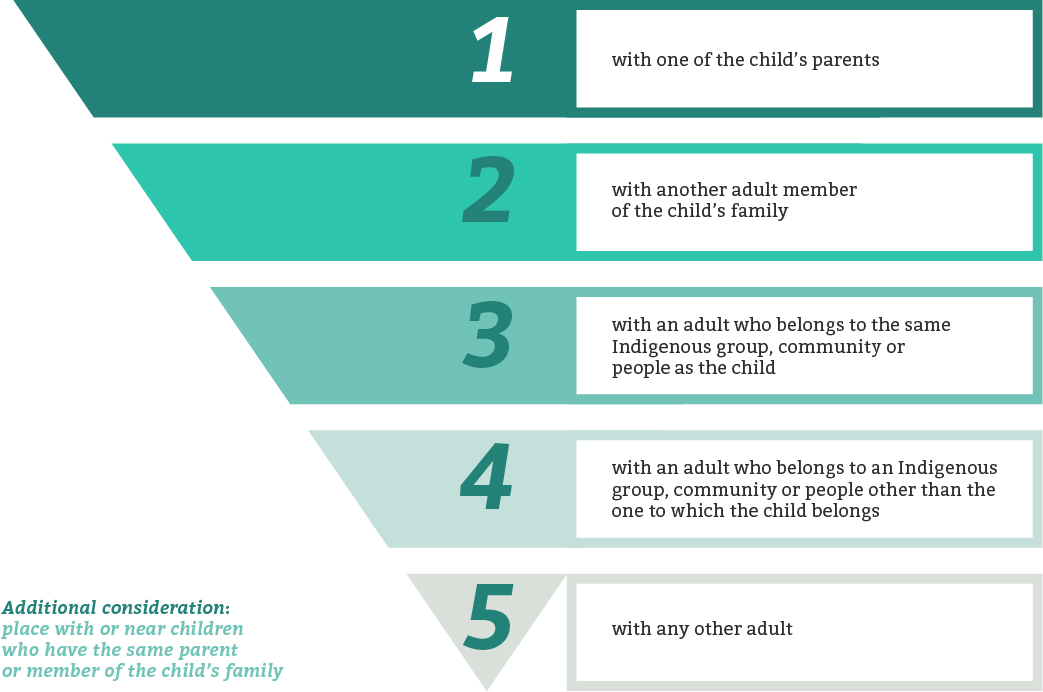
When it is consistent with the best interests of the child, thefollowing order of priority must be followed:

bill c-92 - inverted pyramid
Bill C-92 - photo

Who is considered the “care provider”?

Under the CFCSA, care providers would include those to whom the parent has directly given care of the child or those individuals other than the parent who have custody of the child under the Director’s supervision. In these situations, the Director does not have care or custody of the child.

The Director has primary responsibility for children in the custody, care or guardianship of the director, with the director authorizing, via the Family Care Home Agreement, for the foster caregiver to carry out the Director’s rights and responsibilities. Foster caregivers are considered as key service providers working on behalf of the Director but not care providers who have guardianship responsibilities independent of the Director’s responsibilities. This means that foster caregivers are not parties to court proceedings and are not provided notification of significant measures like parents.

What is the role of foster caregivers in promoting attachment and emotional ties to family members when a child is unable to live with their family?

As part of the child’s care team, foster caregivers must:

  • Arrange access and visitation with family members
  • Promote and support ongoing contact
  • Support a child through changes in placement or transitions out of care

How were the Resource Worker Policies updated in light of the new legislation?

Policy 1.1 – Working with Indigenous Children, Youth, Families and Communities – has been updated to reflect the requirements of the federal legislation. It supersedes other policies regarding Indigenous children. Other policies such as the Children and Youth in Care policies have been updated to reflect Policy 1.1.

Who should be notified before taking any significant measures in relation to the child?

  • Indigenous Governing Body

  • Care Provider

  • Parent

What would classify as a ‘significant measure’?

A significant measure is a step the Director would take when:

  • the Director makes an application for a court proceeding that requires notice to any party under the CFCSA (with the exception of applications for the director to have access to a child, access to a record or receive financial maintenance),
  • the Director removes the child or enters into/renews an agreement for the child to be in care,
  • the Director enters into/renews a Youth Agreement,
  • the child has a new placement or change in placement, or
  • the CFCSA Director consents to the child’s adoption,
  • the Director withdraws from court proceedings or returns the child to the parent.

*Significant measures do not include processes for obtaining, gathering or assessing information, leading up to the director making a decision. They also do not include agreements where the Ministry’s role is mainly to provide financial support. Foster caregivers, although caregivers are not included in a notice of significant measure.

How is the legislation going to change the care of Indigenous children currently in the continuing custody of a Director under the CFCSA?

Until Indigenous laws are in place — services to Indigenous children will continue to be provided by the Director under the CFCSA. However, every Indigenous child and family services provider will have to apply the best interest principles set out in the Federal Act.

This means, for example, that when an Indigenous child comes into care, child and family services providers will always have to consider:

  • the child’s physical, psychological and emotional safety, security and well-being;
  • the importance for that child having an ongoing relationship with their family and community; and
  • preserving the child’s connection to their culture.

Reassessment of safe placement with parents or family members will be conducted on an ongoing basis, including when:

  • A previously unknown family member is identified
  • A change of placement or legal status is being considered
  • Requested by the child’s Indigenous community
  • A care plan is reviewed

How can foster caregivers and resource workers get training on the Federal legislation?

There is online Federal Act training available to resource workers through MCFD’s Learning & Development Branch.

There is online PRIDE training available to caregivers. The Federal Act legislation will be woven throughout the various PRIDE curriculums –PRIDE Pre-Service, In-Service, and Kinship.

BCFPA logo white

Phone

Main:
604-544-1110

Toll-Free Foster Parent Line:
1-800-663-9999

Office hours: 8:30 am - 4:00 pm, Monday to Friday

PROVINCIAL CENTRALIZED SCREENING

Foster parents are encouraged to call this number in the event of an EMERGENCY or CRISIS occurring after regular office hours:

1-800-663-9122

REPORT CHILD ABUSE

If you think a child or youth under 19 years of age is being abused or neglected, you have the legal duty to report your concern to a child welfare worker. Phone 1-800-663-9122 at any time of the day or night. Visit the Government of BC website for more info.

address

BCFPA Provincial Office
Suite 208 - 20641 Logan Avenue
Langley, BC V3A 7R3

Email

contact us

Fill out our contact form...

Contact Us

Contact Us

We would like to hear from you. Please send us a message by filling out the form below and we will get back with you shortly.

Sending

Our work takes place on the traditional and unceded Coast Salish territories of the Kwantlen, Katzie, Matsqui and Semiahmoo First Nations. BCFPA is committed to reconciliation with all Indigenous communities, and creating a space where we listen, learn and grow together.

© 2021 BC Foster Parents. Site design by Mighty Sparrow Design.

Tics and Tourette Syndrome

Tics and Tourette Syndrome

Tics and Tourette Syndrome

What is it?

Tourette syndrome is a neurodevelopmental condition characterized by uncontrolled, brief repetitive muscle movements and vocalizations called tics.

What are the symptoms of Tourette syndrome?

The symptoms typically begin at the age of 5. Two types of tics are associated with Tourette syndrome:

  1. Motor tics:  sudden, uncontrollable muscle movements such as eye blinking, nose twitching, grimacing, head jerking, clapping, shoulder shrugging or arm/hand movements
  2. Vocal tics: throat clearing, coughing, whistling, squeaking, sniffing, humming or repeating sounds or phrases

When a child is under stress, the tics can become more severe, frequent, or extended. The type of tic may also change.

Children who have tics or Tourette may also be diagnosed with anxiety, attention deficit hyperactivity disorder (ADHD) and obsessive-compulsive disorder.

What can be done?

Cognitive behavioural therapy (CBT): CBT is a type of behavioural therapy that teaches a person to recognize behaviour and helps them change how they behave. It can help children with tics learn to identify situations that cause or exacerbate tics and find ways to change them.

Medications are available that can help suppress tics.

What makes some children more vulnerable to Tourette syndrome?

Tourette syndrome is a genetic disorder that happens during fetal development. Environmental factors may contribute to or modulate the severity of symptoms, especially during childhood.

Where can I access support?

Caregivers should always share behavioural observations such as tics with the child’s family doctor or pediatrician. They can further evaluate to determine if the symptom is a tic and if it is caused by a medical condition, medication or drug, or occurring on their own. Tourette syndrome can be diagnosed by family doctors, pediatricians, neurologists, psychiatrists, and psychologists.

Talk to the child’s guardianship worker and share your behavioural observations. Tell them if the tics are causing significant distress, impairment or if you think it is related to other mental health concerns. Explore what options are available for assessment so their diagnosis and treatment plan can be included in their Care Plan. The guardianship worker will help make appropriate referrals for specialized supports and services.

Phone

Main:
604-544-1110

Toll-Free Foster Parent Line:
1-800-663-9999

Office hours: 8:30 am - 4:00 pm, Monday to Friday

PROVINCIAL CENTRALIZED SCREENING

Foster parents are encouraged to call this number in the event of an EMERGENCY or CRISIS occurring after regular office hours:

1-800-663-9122

REPORT CHILD ABUSE

If you think a child or youth under 19 years of age is being abused or neglected, you have the legal duty to report your concern to a child welfare worker. Phone 1-800-663-9122 at any time of the day or night. Visit the Government of BC website for more info.

address

BCFPA Provincial Office
Suite 208 - 20641 Logan Avenue
Langley, BC V3A 7R3

Email

contact us

Fill out our contact form...

Contact Us

Contact Us

We would like to hear from you. Please send us a message by filling out the form below and we will get back with you shortly.

Sending

Our work takes place on the traditional and unceded Coast Salish territories of the Kwantlen, Katzie, Matsqui and Semiahmoo First Nations. BCFPA is committed to reconciliation with all Indigenous communities, and creating a space where we listen, learn and grow together.

© 2021 BC Foster Parents. Site design by Mighty Sparrow Design.
Self-harm

Self-harm

Self-harm

What is it? 

Self-harm is the act of physically hurting oneself without the intent of committing suicide. It is a sign of neurochemical imbalance in the brain and emotional distress, signalling that a child has a lack of healthy emotional regulation skills. Children typically engage in self-harming behaviour to cope with big feelings and/or to express their pain.

What are the signs of self-harm in children? 

Self-harm is not a diagnosis in and of itself but children who engage in self-harm are most often diagnosed with neurodevelopmental challenges such as mood disorders, eating disorders and behavioural disorders.  Some signs of self-harm in children under the age of 6 include hitting their head against the wall, severely biting their skin or cutting the skin with sharp tools.

When is it time to seek professional help? 

You need to seek professional help if the child is injuring themselves and showing signs of physical illness that is affecting their sleep and eating habits as well as their school and family life. If you’ve tried to discourage the behaviour using different strategies and nothing has changed or it’s gotten worse.

What makes some children more vulnerable to self-harming thoughts and behaviours? 

Risk factors for self-harming behaviour include: 

  • Trauma, adverse childhood experiences and toxic stress
  •  Co-occurring mental health disorders
  • Family history of mental health challenges and brain-based disorders 
  • Witnessing someone exhibiting the same self-harming behaviour

What can be done? 

Cognitive behavioural therapy (CBT) is a type of behavioural therapy that teaches a person to recognize behaviour and helps them change how they behave. 

Dialectical behavioural therapy (DBT) is a type of therapy that teaches children how to regulate their emotions and respond to emotional distress through skills training.

Interpersonal therapy (IPT) is a brief treatment that focuses on how interpersonal factors affect a child’s emotional state.

Family-based therapy focuses on helping the family act in more positive and supportive ways through education.

Where can I access support?

In an emergency, call 911 or go to the nearest emergency care facility. 

If not an immediate emergency, call 811 to speak with a registered nurse. 

Talk to the child’s family doctor or pediatrician to help identify if the child’s behaviour is normal for their developmental stage. 

Talk to the child’s guardianship worker and share your behavioural observations. Explore what options are available for assessment so their diagnosis and treatment plan can be included in their Care Plan. The guardianship worker will help make appropriate referrals for specialized supports and services.

Get an assessment through your local Child and Youth Mental Health team. Your local CYMH office offers a range of free and voluntary mental health services and supports for children from 0-18 years of age and their families. These services include assessments, therapy and treatment, education and referrals to specialized programs and resources. There are 100 intake clinics for children, youth and their families at convenient locations throughout BC. 

You can also contact a private psychologist or counsellor through the BC Association of Clinical Counsellors or the BC Psychological Association. You can use website filters to search for a counsellor in your community that specializes in certain mental health challenges.

Phone

Main:
604-544-1110

Toll-Free Foster Parent Line:
1-800-663-9999

Office hours: 8:30 am - 4:00 pm, Monday to Friday

PROVINCIAL CENTRALIZED SCREENING

Foster parents are encouraged to call this number in the event of an EMERGENCY or CRISIS occurring after regular office hours:

1-800-663-9122

REPORT CHILD ABUSE

If you think a child or youth under 19 years of age is being abused or neglected, you have the legal duty to report your concern to a child welfare worker. Phone 1-800-663-9122 at any time of the day or night. Visit the Government of BC website for more info.

address

BCFPA Provincial Office
Suite 208 - 20641 Logan Avenue
Langley, BC V3A 7R3

Email

contact us

Fill out our contact form...

Contact Us

Contact Us

We would like to hear from you. Please send us a message by filling out the form below and we will get back with you shortly.

Sending

Our work takes place on the traditional and unceded Coast Salish territories of the Kwantlen, Katzie, Matsqui and Semiahmoo First Nations. BCFPA is committed to reconciliation with all Indigenous communities, and creating a space where we listen, learn and grow together.

© 2021 BC Foster Parents. Site design by Mighty Sparrow Design.

Post-Traumatic Stress Disorder

Post-Traumatic Stress Disorder

Post-Traumatic Stress Disorder

What is it?

Post Traumatic Stress Disorder (PTSD) is a disorder that can develop after experiencing or witnessing an intense event. Trauma occurs when a stressful event overwhelms the child’s natural ability to cope. These events cause a “fight, flight, or freeze” response, resulting in changes in the body—such as an increase in heart rate—as well as changes in how the brain perceives and responds to the world. 

Examples of traumatic events include: 

  • Psychological, physical or sexual abuse
  • Neglect
  • Family or community violence
  • Serious accidents or life-threatening illness 
  • Natural disasters 
  •  Loss or separation from a loved one 
  • Forced displacement or war experiences 
  • Serious and untreated parental mental illness 
  • Discrimination
  • Persistent extreme poverty

What are the symptoms of PTSD?

Symptoms of PTSD in young children may include:

  • reliving or avoiding reminders of the traumatic event 
  • feeling alienated 
  • delays in reaching physical, language or other developmental milestones
  • hypervigilance
  • irritability or fussiness
  • being difficult to calm
  • frequent tantrums
  • clingy behaviour
  • difficulty paying attention

Learn about the symptoms and strategies for PTSD in children and youth in this video:

When is it time to seek professional help? 

It may be time to seek professional help if the traumatic stress reaction is so intense that it affects the child’s ability to function at school or home and if the symptoms become worse over time.

What can be done? 

Trauma-focused cognitive-behavioural therapy (TF-CBT) is an evidence-based treatment approach for children with PTSD. TF-CBT provides children, parents and caregivers with stress management skills before a direct discussion and processing traumatic experiences. It typically focuses on enhancing safety, psychoeducation and parenting skills, relaxation skills, affective regulation skills, and cognitive coping skills.

Eye movement desensitization and reprocessing (EMDR) is a psychotherapy treatment that uses eye movements to reduce negative physical and mental responses to traumatic memories. 

Play therapy helps children build coping skills, enhance their capacity for self-regulation, and promote positive self-esteem. Play therapists structure activities to target emotions, cognitions, and behaviours rooted in trauma.  

Medications such as antidepressant and anti-anxiety medications (e.g. Selective serotonin reuptake inhibitors or SSRIs) can help some children deal with symptoms of PTSD as well as other brain-based disorders that contribute to the severity of PTSD symptoms such as depression, anxiety, and behavioural disorders.

What makes some children more vulnerable to PTSD? 

Younger children are more vulnerable to PTSD because they have not fully developed cognitive and emotional skills to process a traumatic event. Even infants and toddlers who are too young to remember or talk about the stressful event retain lasting memories of traumatic events that can affect their well-being into adulthood.

Where can I access support?

Talk to the child’s family doctor or pediatrician to help identify if the child’s behaviour is normal for their developmental stage. 

Talk to the child’s guardianship worker and share your behavioural observations. Explore what options are available for assessment so their diagnosis and treatment plan can be included in their Care Plan. The guardianship worker will help make appropriate referrals for specialized supports and services.

Get an assessment through your local Child and Youth Mental Health team. Your local CYMH office offers a range of free and voluntary mental health services and supports for children from 0-18 years of age and their families. These services include assessments, therapy and treatment, education and referrals to specialized programs and resources. There are 100 intake clinics for children, youth and their families at convenient locations throughout BC. 

You can also contact a private psychologist or counsellor through the BC Association of Clinical Counsellors or the BC Psychological Association. You can use website filters to search for a counsellor in your community that specializes in certain mental health challenges. 

Phone

Main:
604-544-1110

Toll-Free Foster Parent Line:
1-800-663-9999

Office hours: 8:30 am - 4:00 pm, Monday to Friday

PROVINCIAL CENTRALIZED SCREENING

Foster parents are encouraged to call this number in the event of an EMERGENCY or CRISIS occurring after regular office hours:

1-800-663-9122

REPORT CHILD ABUSE

If you think a child or youth under 19 years of age is being abused or neglected, you have the legal duty to report your concern to a child welfare worker. Phone 1-800-663-9122 at any time of the day or night. Visit the Government of BC website for more info.

address

BCFPA Provincial Office
Suite 208 - 20641 Logan Avenue
Langley, BC V3A 7R3

Email

contact us

Fill out our contact form...

Contact Us

Contact Us

We would like to hear from you. Please send us a message by filling out the form below and we will get back with you shortly.

Sending

Our work takes place on the traditional and unceded Coast Salish territories of the Kwantlen, Katzie, Matsqui and Semiahmoo First Nations. BCFPA is committed to reconciliation with all Indigenous communities, and creating a space where we listen, learn and grow together.

© 2021 BC Foster Parents. Site design by Mighty Sparrow Design.