by Shannon Pawliw | Feb 16, 2022
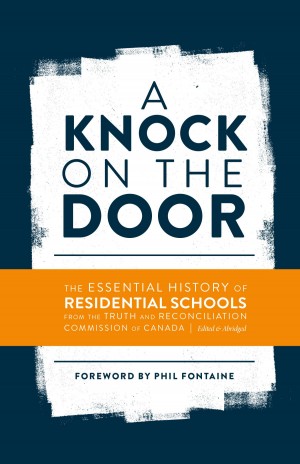
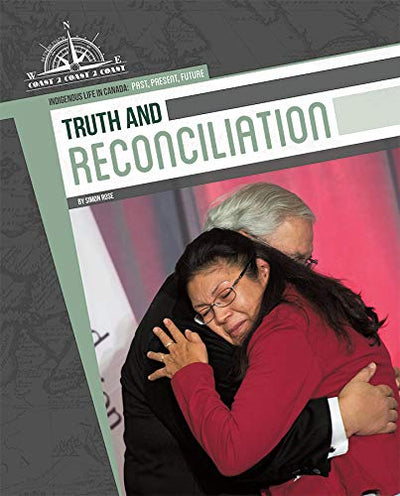
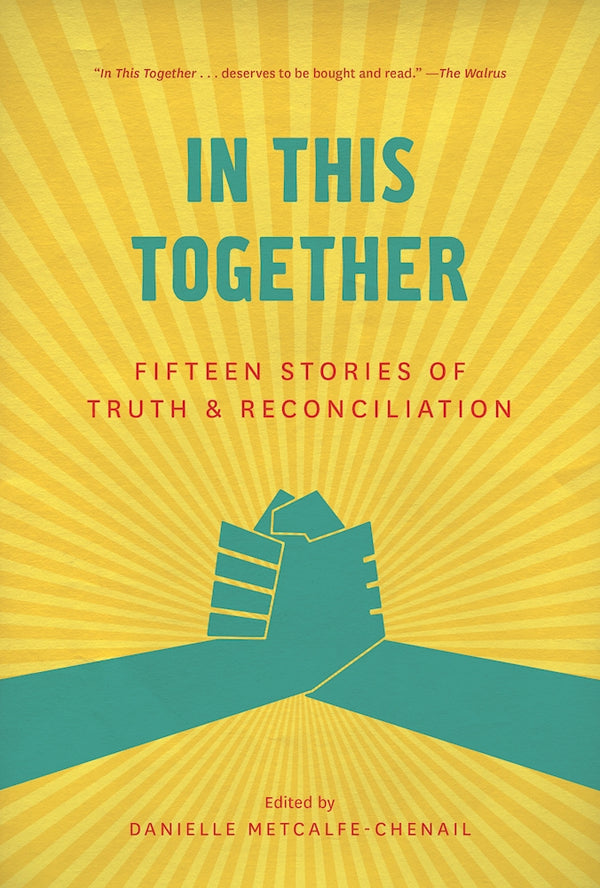
A Knock on the Door
by Phil Fontaine, Aimée Craft, The Truth and Reconciliation Commission of Canada
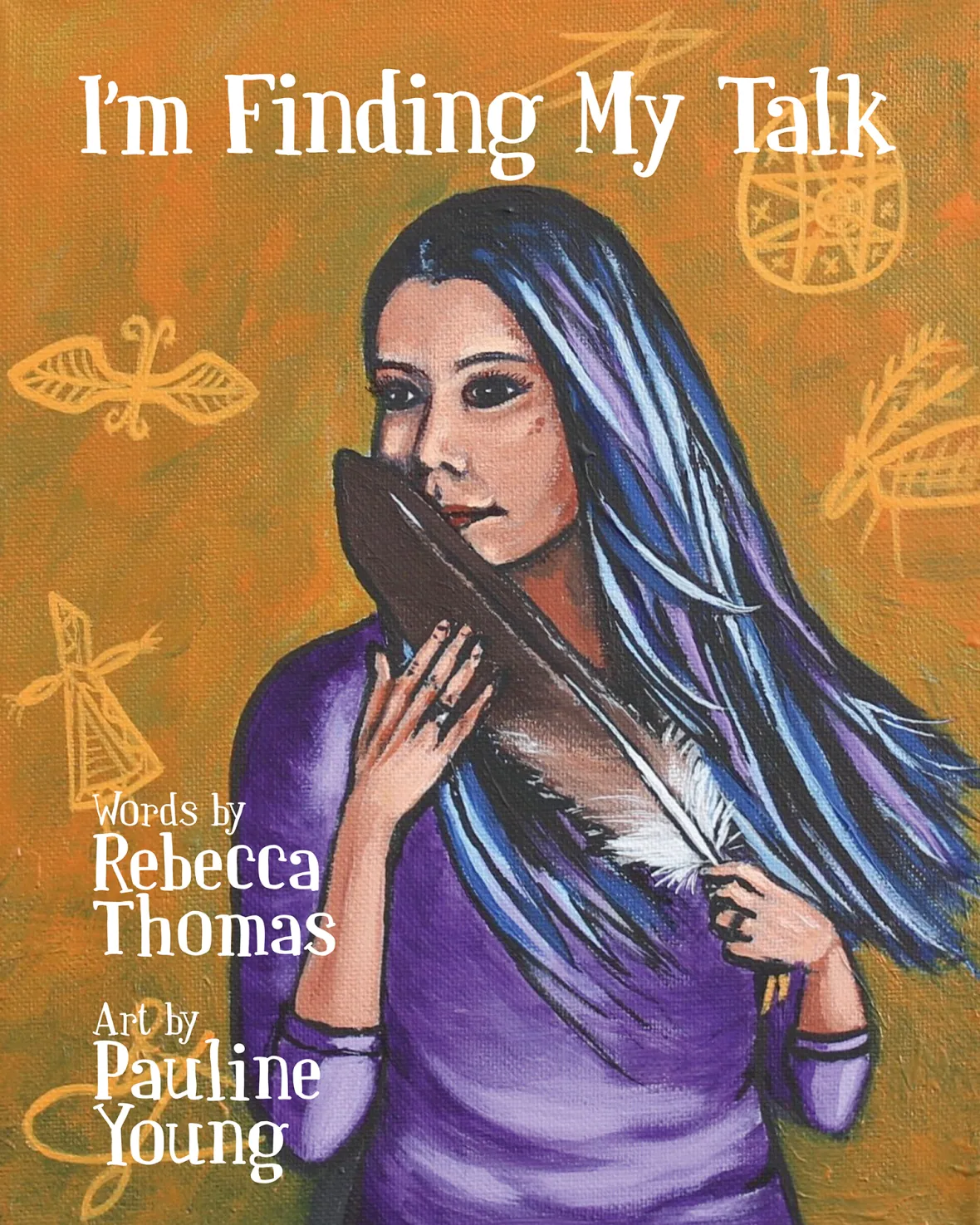
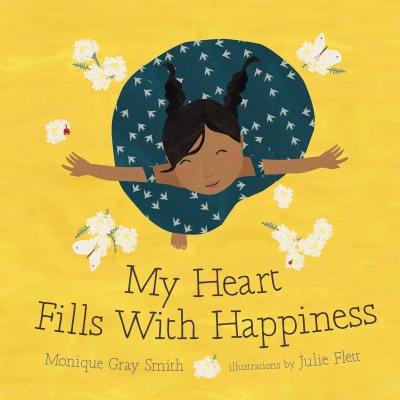
Books Written and/or Illustrated by Indigenous Artists for Children Under the Age of 6
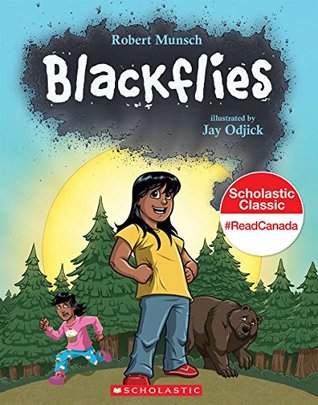
Blackflies
by Robert Munsch, Illustrated by Jay Odjick
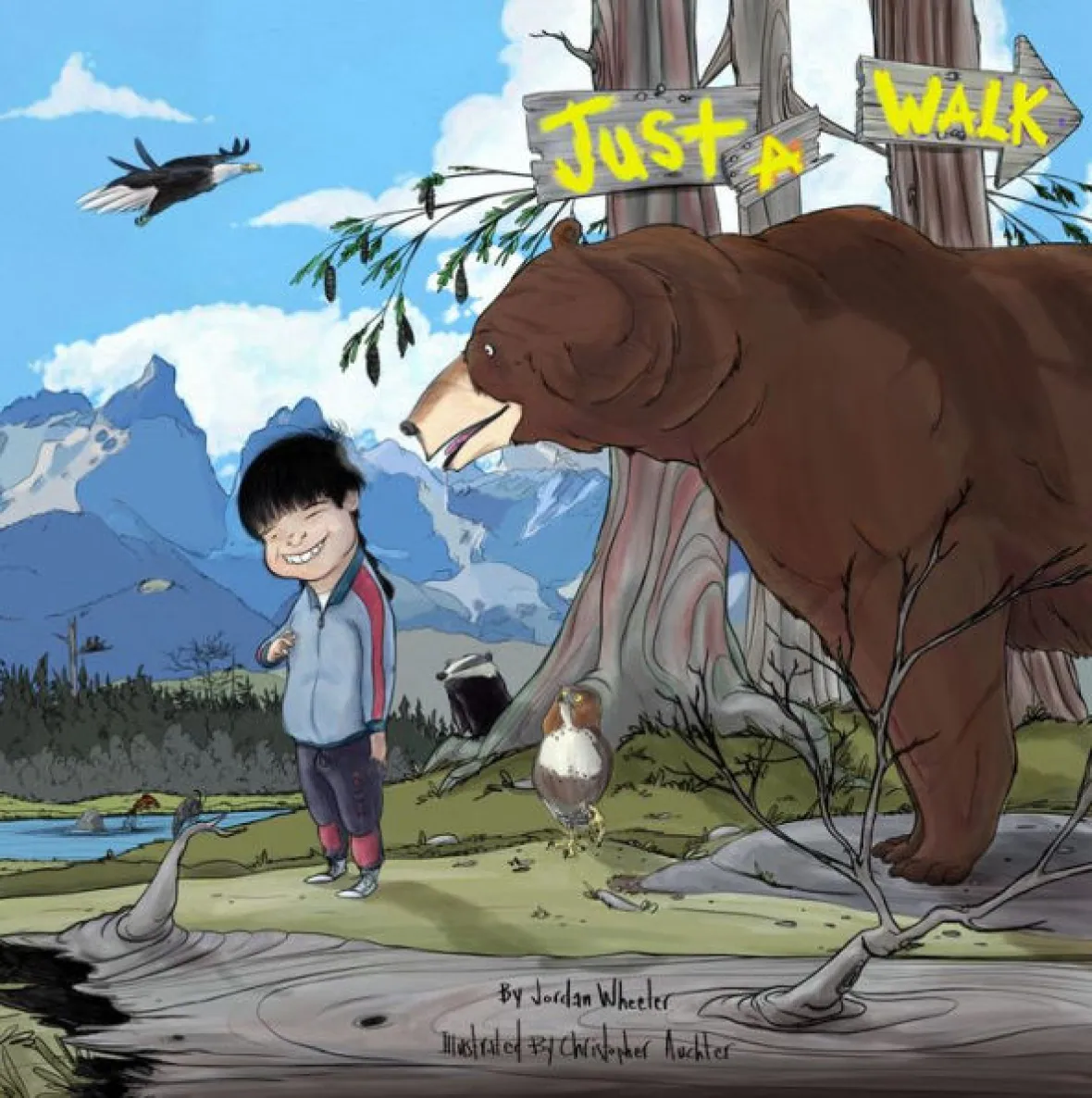
Just A Walk
by Jordan Wheeler, Illustrated by Christopher Auchter
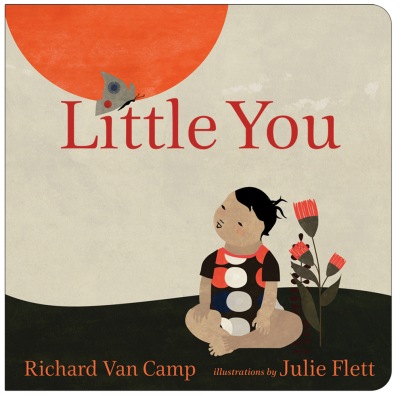
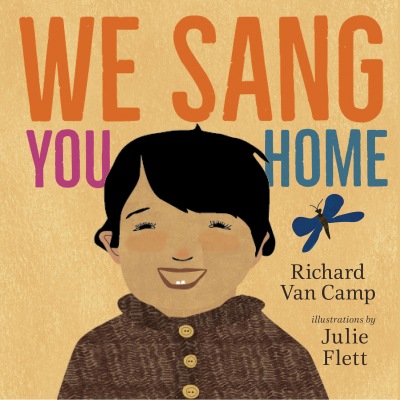
Little You
by Richard Van Kamp, Illustrated by Julie Flett
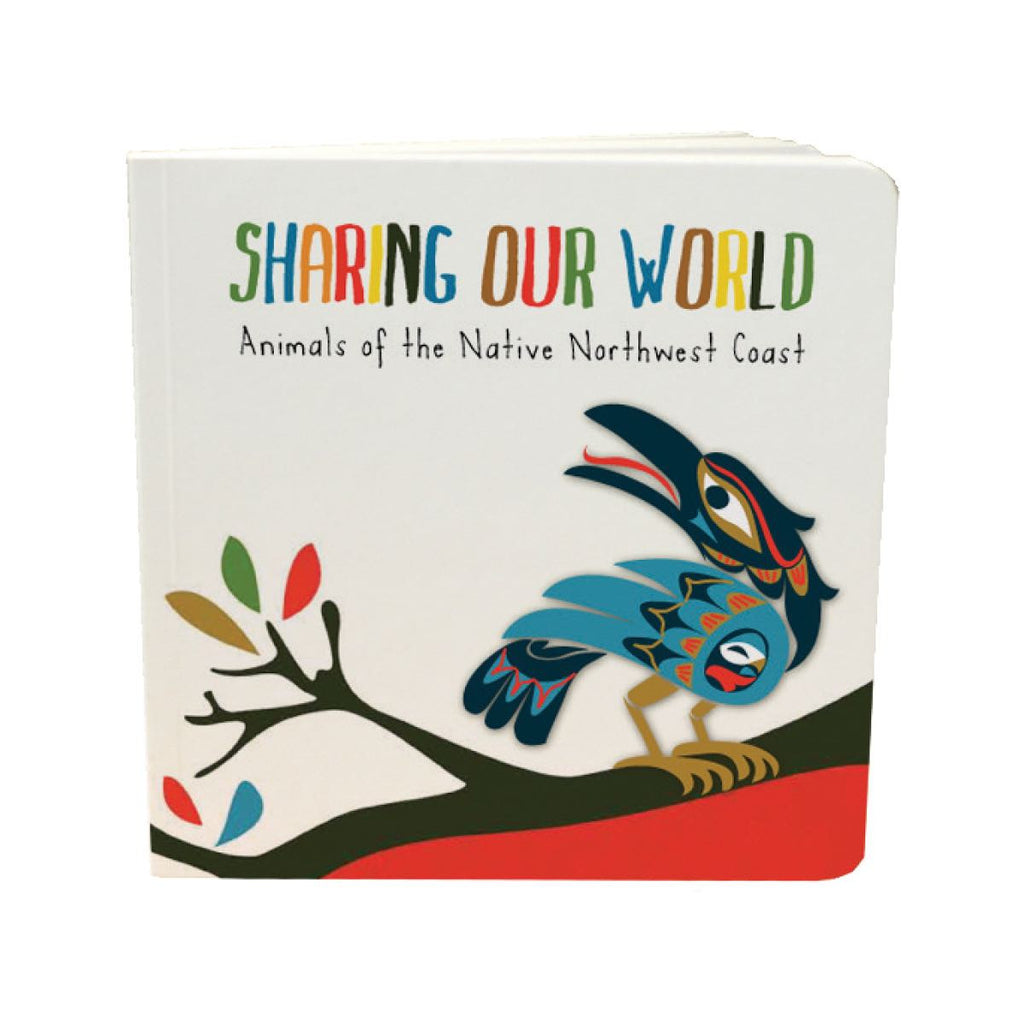
Sharing our World
by Ian Reid, Ryan Cranmer, Doug Lafortune, John Nelson, Francis Horne Sr., Paul Windsor, Corey Bulpitt, T.J. Sgwaayaans Young, Ben Houstie, Eugene Isaac, Corey W. Moraes, Terry Starr, and Rose Elsie John
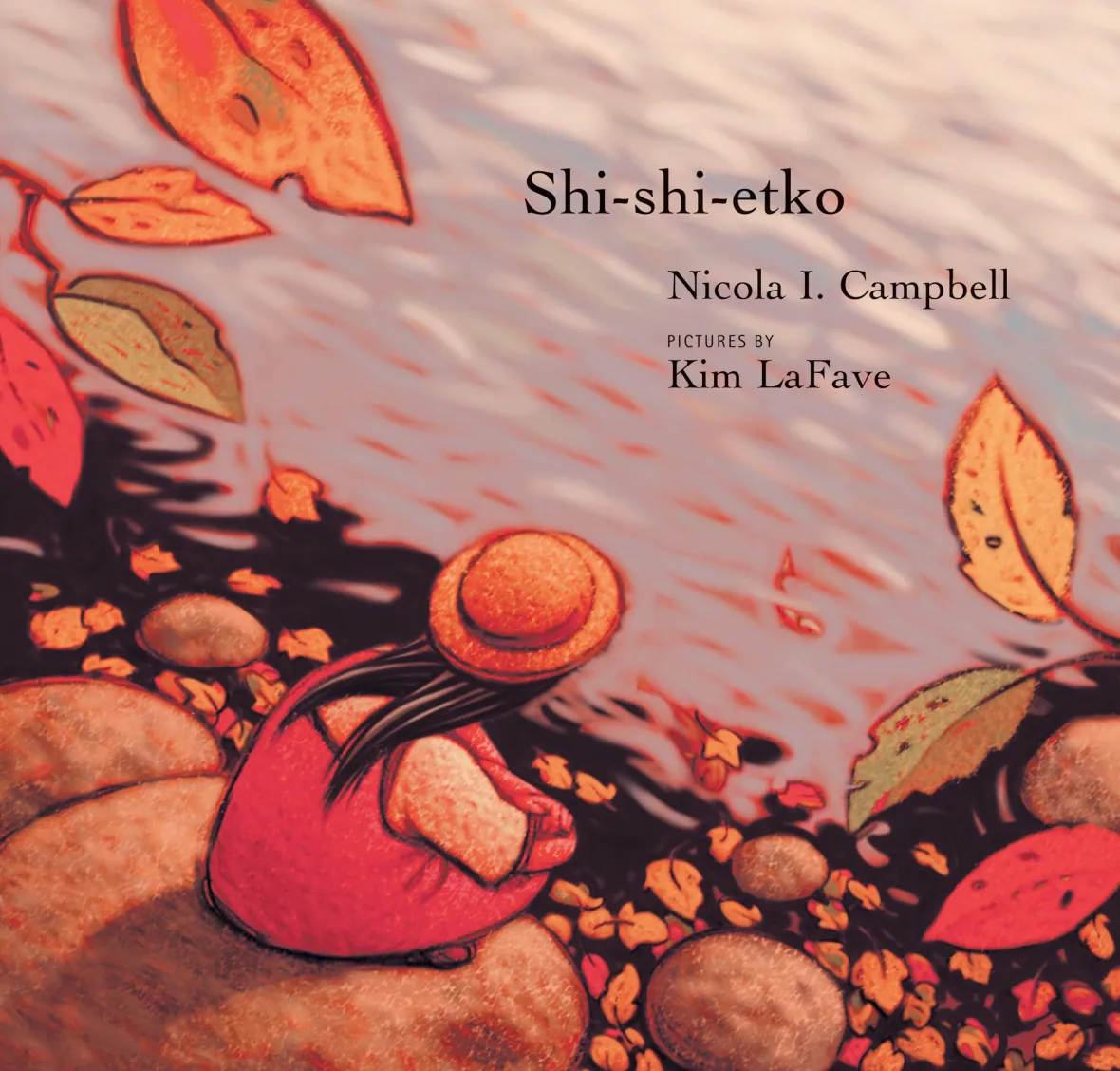
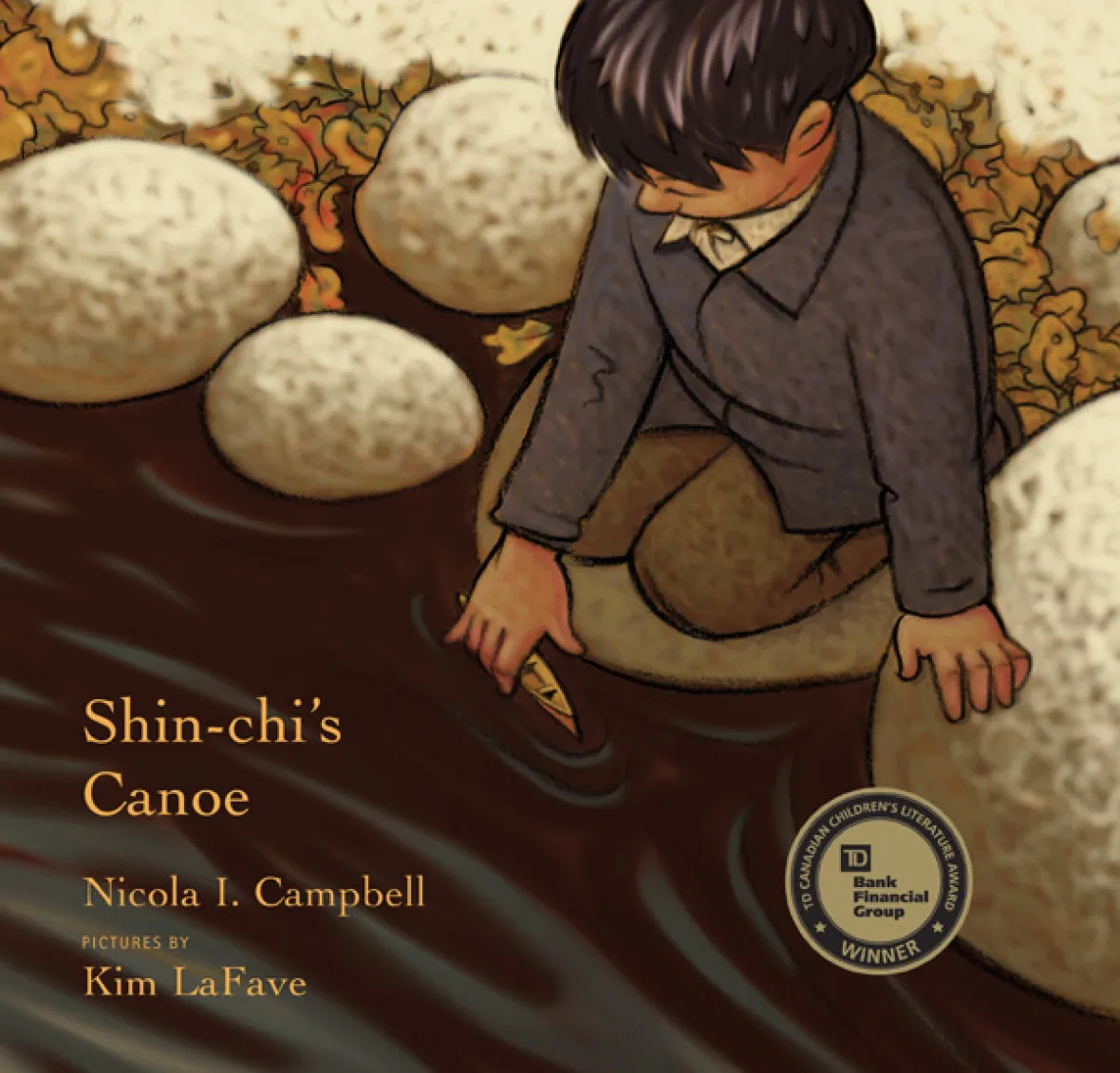
Shi-shi-etko
by Nicola I. Campbell, Illustrated by Kim LaFave
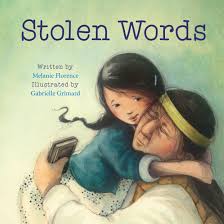
Stolen Words
by Melanie Florence, Illustrated by Gabrielle Grimard
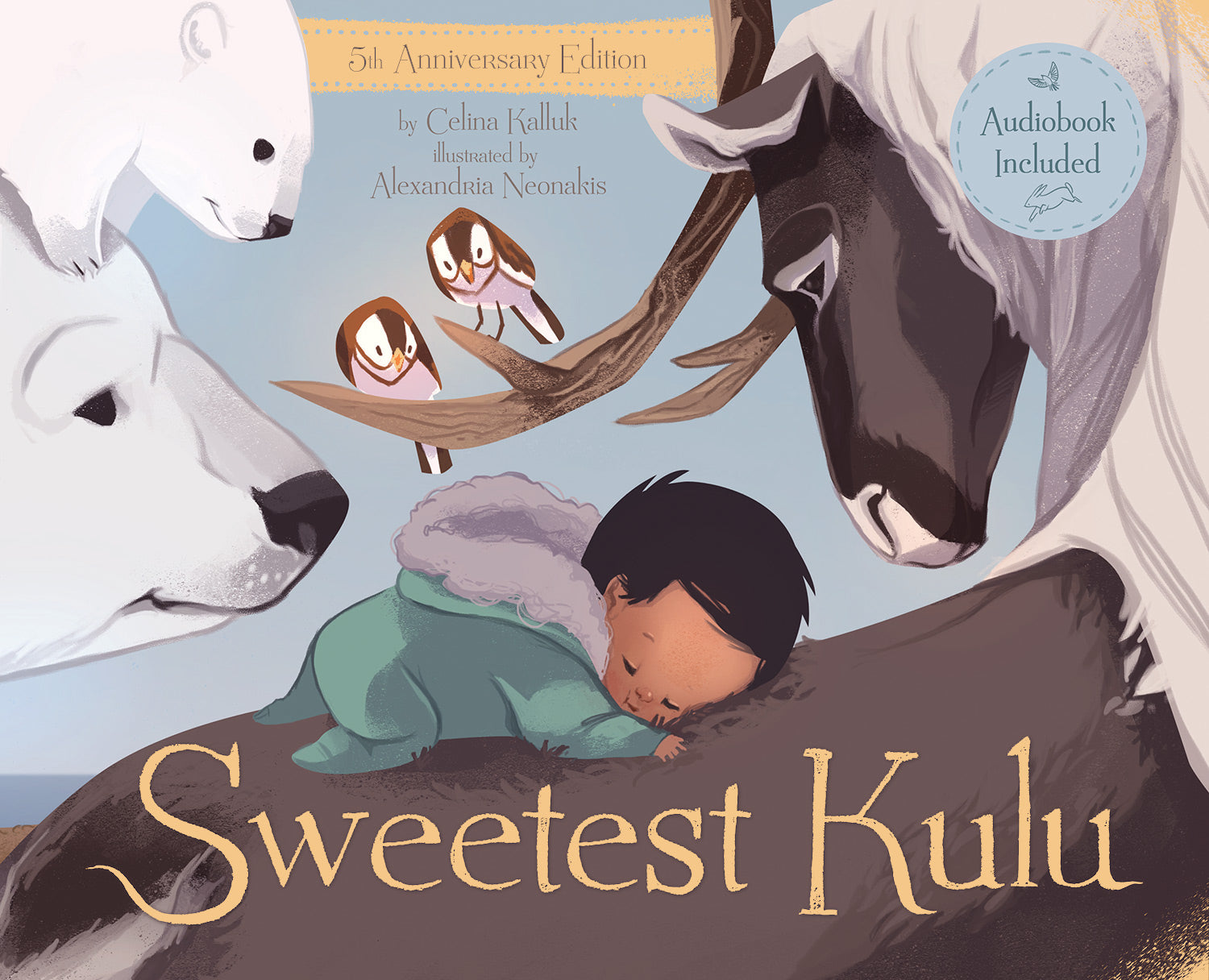
Sweetest Kulu
by Celina Kalluk, Illustrated by Alexandria Neonakis
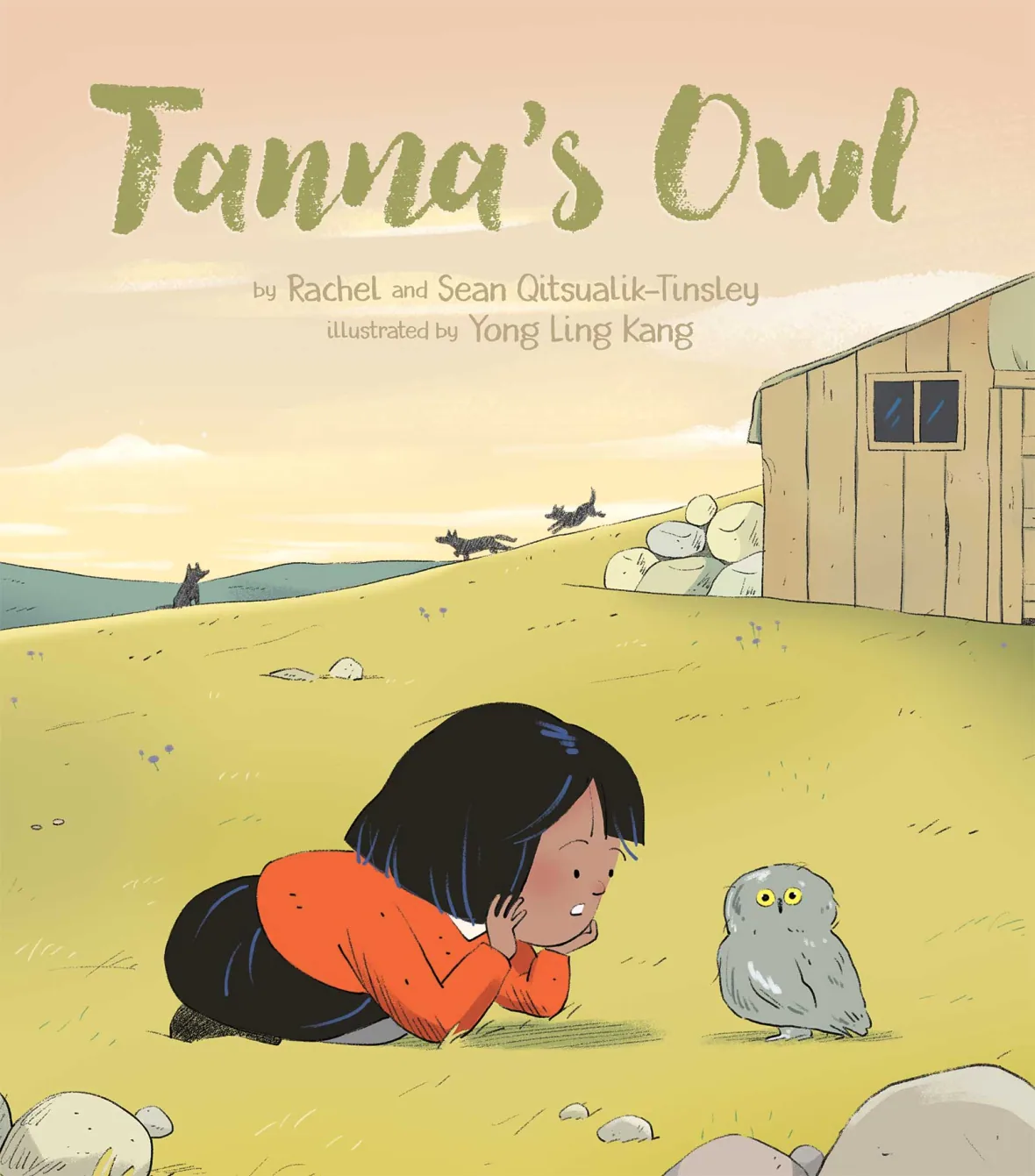
Tanna’s Owl
by Rachel Qitsualik-Tinsley and Sean Quitsualik-Tinsley, Illustrated by Yong Ling Kang

by Shannon Pawliw | Feb 14, 2022
Somatic Symptom or Related Disorder (SSRD)
What is it?
Somatic Symptom or Related Disorder (SSRD), formerly Medically Unexplained Physical Symptoms (MUPS), is a disorder where symptoms cannot be fully explained by an identifiable physical cause or disease explaining the symptoms. Somatization is the process by which we experience a physical symptom of our emotional state. It is the body’s way of expressing stress and/or emotions.
Somatization happens to everyone. It can occur on its own or with a medical condition, or injury. Somatization becomes a disorder when it significantly disrupts a child’s daily life, preventing them from participating in school and other activities. Children may also suffer from anxiety, depression and eating disorders due to excessive worrying about their physical symptoms.
A somatic symptom is a physical symptom that occurs as a result of stress and/or emotions. For example, a child may often complain of a headache or an upset stomach before they go to school. This may be a sign that they are experiencing stress at school (e.g. bullying or fear of participating in a school activity).
What are the signs of Somatic Symptom Disorder in young children?
Emotions can show up in different physical ways in different people. Common symptoms include:
- headaches
- abdominal pain
- body aches
- dizziness
- nausea
- irritability
- poor sleeping habits
- poor appetite
- frequent urination
When is it time to seek professional help?
Somatic symptoms may represent significant mental health challenges. They can be persistent and highly debilitating for children, leading to multiple medical consultations. It can cause major disruptions in a child’s daily life including their sleeping habits, eating habits as well as their school and family life.
What can be done?
An individualized, comprehensive and collaborative treatment plan should be made by members of the child’s care team. Depending on the child’s symptoms and their impact on the child’s life, they may be assessed by a range of healthcare professionals which include:
- pediatric specialists such as neurologists and gastroenterologists
- a dietitian
- rehabilitation specialists (e.g. occupational therapists, physiotherapists and speech and language therapists)
- mental health professionals (e.g. psychologists, psychiatrists and social workers)
- a behavioural analyst
Medical assessments and treatment for any known medical condition(s) may be encouraged at the same time as treatment for somatic symptoms.
What makes some children more vulnerable to SSRD?
Multiple factors have been associated with somatic symptoms which include stress, reduced coping skills, and family conflict. Children with adverse childhood experiences such as traumatic events, poverty, violence, abuse, neglect, and parental history of substance abuse are vulnerable to somatization. Research has also shown a strong association between somatic symptoms and anxiety/depressive disorders.
Where can I access support?
The child’s family doctor or pediatrician can help you find the right support and resources. The child may take part in different types of assessments to help understand the cause of their physical symptoms.
Reach out to school administration, teachers and school counsellors for support. They can help recognize and respond to somatic symptoms appropriately. Symptoms should not be dismissed or believed to be fabricated. The school community can be instrumental in recognizing the timing, characteristics, triggers, and context of symptoms.
Talk to the child’s guardianship worker to explore support services and resources.
by Shannon Pawliw | Feb 14, 2022
What is it?
Grief is a natural response to a significant loss. The most extreme of such losses is experienced through the death of a loved one. However, children can also experience significant grief through the loss of a pet or the loss of normalcy, routines, relationships, land, culture, kinship ties, and community connections.
Grief in early childhood has a significant impact on children. It is a physical, emotional and psychological experience.
What are signs of grief in young children?
Grief looks different for everyone. Signs of grief in young children include:
- crying
- sadness
- inability to relax
- nightmares
- loss of appetite
- bedwetting
- body aches
- sleep disturbances
- restlessness
- clinging behaviours
- difficulty concentrating
- anxiety
- disruptive behaviours
What can be done?
Help the children process grief by encouraging them to share their feelings. Let them know that it’s okay to cry and express their feelings. Listen and let them know that you will support them to work through their feelings.
Young children have limited experience in dealing with grief and loss. Allow them to express their grief in their own way and at their own pace.
Encourage children to ask questions and give honest but age-appropriate answers that they can understand.
Model healthy coping strategies. Children pick up on the behaviour of adults more than you think. You can find healthy distractions such as playing a game or spending time doing an activity they really enjoy.
Seek help and support. Let them know that they can talk to someone they trust or a professional to help them process grief.
Where can I access support?
Talk to the child’s family doctor or pediatrician to help identify if the child’s behaviour is normal for their developmental stage.
Talk to the child’s guardianship worker to explore what options are available for assessment so their diagnosis and treatment plan can be included in their Care Plan. The guardianship worker will help make appropriate referrals for specialized supports and services.
Get an assessment through your local Child and Youth Mental Health team. Your local CYMH office offers a range of free and voluntary mental health services and supports for children from 0-18 years of age and their families. These services include assessments, therapy and treatment, education and referrals to specialized programs and resources. There are 100 intake clinics for children, youth and their families at convenient locations throughout BC.
You can also contact a private psychologist or counsellor through the BC Association of Clinical Counsellors or the BC Psychological Association. You can use website filters to search for a counsellor in your community that specializes in certain mental health challenges.
by Shannon Pawliw | Feb 14, 2022
What is it?
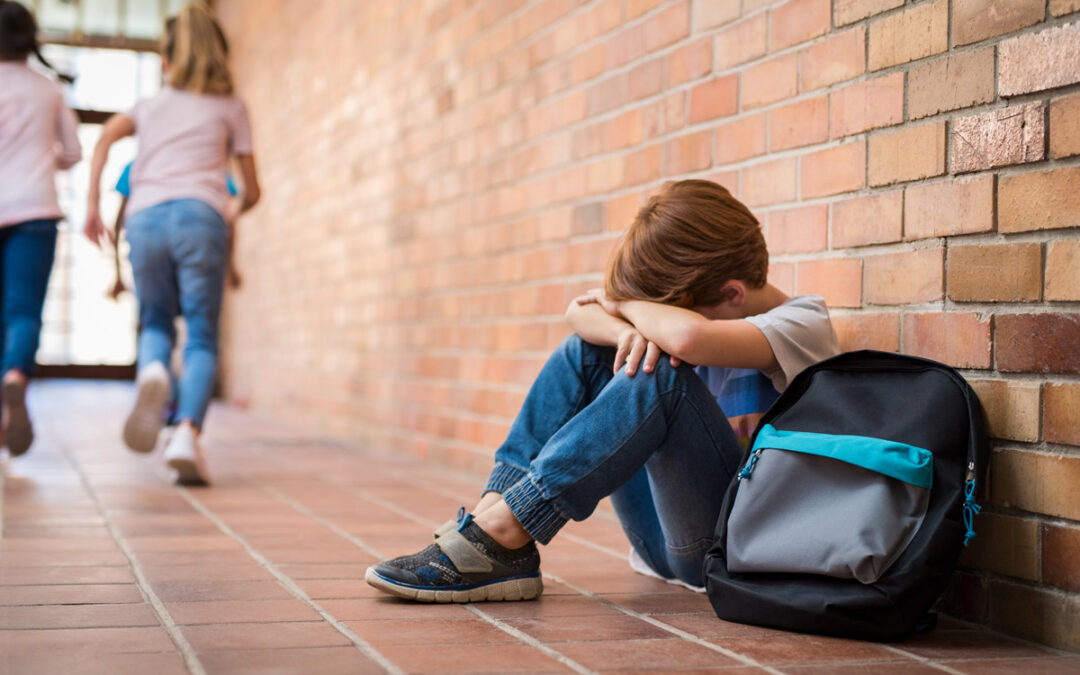
Bullying behaviours begin in early childhood. Children as young as age 3 have been found to participate in bullying as children of this age are quick to express their emotions and aggression because they are still learning about emotional regulation. During the early years, children experiment with different ways of behaving, and it’s important for caring adults to recognize that some of these behaviours may be precursors to bullying. Some of these behaviours may include saying threatening things, falsely accusing others, or refusing to play with particular children. These pre-bullying behaviours, while hurtful, are not considered bullying because they are not done to deliberately and repeatedly hurt another child. However, if they are allowed to continue, these behaviours are likely to turn into a pattern of bullying.
Pre-bullying behaviours may also encourage other children to engage in the same behaviours. If left unchecked, patterns of bullying may continue into adolescence and even adulthood.
Bullying is a form of emotional or physical abuse that has three defining characteristics:
- Deliberate—A bully’s intention is to hurt someone
- Repeated—A bully often targets the same victim again and again
- Power imbalanced—A bully chooses victims he or she perceives as vulnerable
There are four types of bullying:
- Physical bullying (e.g. hitting and pushing)
- Verbal bullying (e.g. yelling and name-calling)
- Relational bullying (e.g. excluding or getting others to hurt someone)
- Cyberbullying—involves using the Internet, cell phones, or other digital forms of communication to post or send hurtful messages. Cyberbullying can become an issue for older children but it is not yet a concern for children under the age of 6.
What behaviours should I pay attention to?
Signs that the child is being bullied:
- avoiding school (e.g. saying they are ill, leaving school early or skipping certain classes)
- complaining of recurring physical symptoms that don’t seem to have a medical cause (e.g. stomach aches or headaches)
- disrupted sleeping or eating habits
- showing signs of depression or anxiety (e.g. extreme tiredness, sadness, and social isolation)
- acting aggressively towards siblings or family members
- losing interest in favourite activities
- coming home with inexplicably damaged or missing clothing or belongings
- express the intent to harm themselves
Signs that the child is being a bully:
- displaying aggressive behaviour
- gets easily frustrated
- showing a lack of empathy
- refusing to spend time with certain friends or groups
- blames others for behaviour
- teasing and taunting other children
What can be done?
Model open communication. Modelling open communication will make it more likely that the child will feel comfortable talking to you about difficult things. Children will talk about bullying when they know they will be heard – that you will listen and help.
Model good behaviour. Children learn how to behave and form relationships by watching the adults in their lives.
If you suspect that the child is being bullied, get curious and ask questions about their school life. Ask open-ended questions, listen carefully and be supportive.
Address bullying early before it becomes established behaviour. Respond calmly and reassure the child.
Work with the child’s school. Speak with a teacher or a member of the school administration and ask for support.
Where can I access support?
Look for support services that can help identify if the child is bullying or being bullied. Reach out to school administration, teachers and school counsellors for support.
The child’s family doctor or pediatrician can help you find the right support if you believe bullying is impacting the child’s mental health.
Talk to the child’s guardianship worker to explore support services and resources.
by Shannon Pawliw | Feb 9, 2022
What is it?
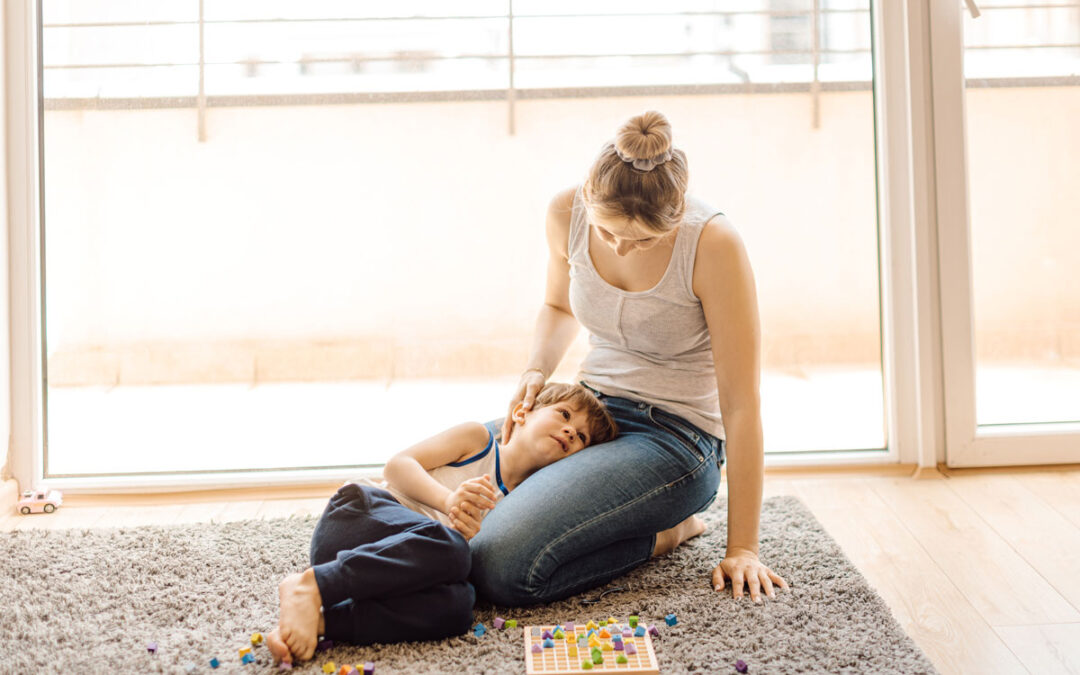
It’s normal for kids to feel sad or act irritable at times. But when a sad or bad mood lasts for weeks or longer, accompanied by other changes in a child’s behaviour, these may be signs of depression.
What are the symptoms of depression?
Symptoms of depression in young children often include:
- sadness or a low mood that does not go away
- being irritable all the time
- not being interested in things they used to enjoy
- feeling tired and exhausted a lot of the time
- trouble sleeping or sleep more than usual
- inability to concentrate
- interact less with friends and family
- acting indecisive
- low self-esteem
- weight changes (e.g. eating less than usual or overeating to feel better)
- unable to relax or are more lethargic than usual
- talking about feeling guilty or worthless
- feeling empty or numb
- self-harming thoughts and behaviours
When is it time to seek professional help?
Research studies suggest that age 3 is the lowest threshold at which childhood depression appears, but that doesn’t mean it can’t be identified earlier or that there aren’t risk signs earlier. It may be time to seek professional help if the child is showing signs of depression and you’re concerned that it is affecting their eating and sleeping habits as well as their home and school life.
Reach out for help when efforts to encourage them to talk about their feelings and to manage the symptoms of depression yourself are not helping.
What can be done?
Psychotherapy
Psychotherapy refers to a wide range of techniques and methods used to help children who are experiencing difficulties with their emotions or behaviour. There is good evidence for the effectiveness of psychotherapy as a treatment for depression in young children. Some common types of psychotherapy include:
- Cognitive behavioural therapy (CBT)
- Dialectical behavioural therapy (DBT)
- Interpersonal therapy (IPT)
- Mindfulness-based cognitive therapy (MBCT)
- Family-based therapy
Medication
Children with depression can benefit from medication such as antidepressants. Medication is often for more severe depression or when psychotherapy approaches aren’t providing effective treatment.
What makes some children more vulnerable to depression?
Sometimes depression is triggered by a single difficult event, such as the death of a loved one or problems in school but it is often caused by a combination of factors. Factors that increase the risk of depression in children include:
- natural disasters
- family difficulties
- bullying
- trauma, adverse childhood experiences and toxic stress
- family history of depression or other mental health challenges
Where can I access support?
Talk to the child’s family doctor or pediatrician to help identify if the child’s behaviour is normal for their developmental stage.
Talk to the child’s guardianship worker to explore what options are available for assessment so their diagnosis and treatment plan can be included in their Care Plan. The guardianship worker will help make appropriate referrals for specialized supports and services.
Get an assessment through your local Child and Youth Mental Health team. Your local CYMH office offers a range of free and voluntary mental health services and supports for children from 0-18 years of age and their families. These services include assessments, therapy and treatment, education and referrals to specialized programs and resources. There are 100 intake clinics for children, youth and their families at convenient locations throughout BC.
You can also contact a private psychologist or counsellor through the BC Association of Clinical Counsellors or the BC Psychological Association. You can use website filters to search for a counsellor in your community that specializes in certain mental health challenges.